
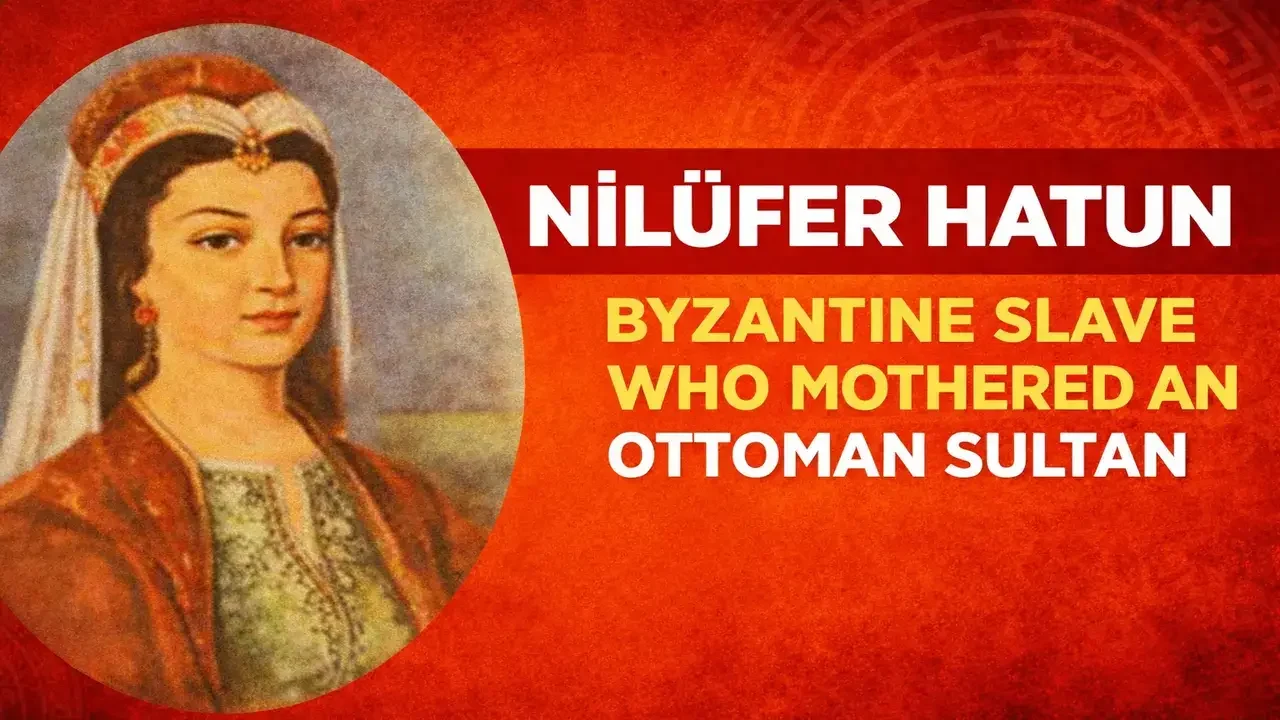
Reporters dig into dusty archives, and Nilüfer Hatun‘s name pops up as the first Christian-origin mother of a sultan. Captured young, she converted, bore Murad I, and shaped Ottoman growth. Her quiet power fueled conquests.
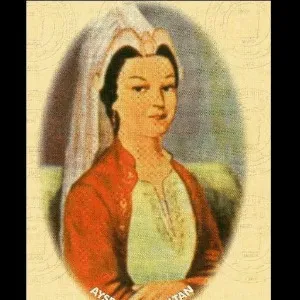
Origins in Byzantine Twilight
Nilüfer Hatun, born Holofira mid-1300s, hailed from Greek roots in Bithynia‘s shrinking Byzantine pockets. Legends claim her as daughter of Bilecik tekfur, but facts point to slave status. Osman Gazi‘s raids snared her around 1324–1325.
Orhan Gazi, Osman‘s son and successor, took her into his Bursa harem. Renamed Nilüfer—”lotus flower”—she embraced Islam. No princess tale here; she bridged foes through marriage, a savvy Ottoman tactic. Chroniclers later gilded her story, mixing her with others like Asporça Hatun.
Experts note this “ennobling” hid slave origins, protecting Murad I‘s prestige. Nilüfer adapted fast, gaining favor in a world where loyalty trumped birth.
Life with Orhan Gazi
Orhan wed her amid expansions. 1326 Bursa conquest made it capital; Nilüfer settled there. She bore Şehzade Süleyman (1316? Legends vary) and crucially Murad I in 1326. Post-1331, Orhan shifted them to Iznik for safety amid wars.
Ibn Battuta visited Bursa 1331, praising Orhan‘s consort—likely Nilüfer or kin— for hospitality. She advised on diplomacy, easing Byzantine ties. Orhan captured Nicaea (Iznik) 1331, her new home amid tiles and mosques. Family thrived; Süleyman governed Karesi.
Orhan died March 1362. Nilüfer‘s son Murad I ascended, making her first Valide Hatun—mother of reigning sultan—from slave roots. Milestone for Ottoman women.
Who Was Nilüfer Hatun?
Nilüfer Hatun (d. c.1363–1383), Greek-origin concubine of Orhan Gazi, converted to Islam as Holofira. Bore Murad I (1326), first Valide Hatun of slave descent. Built charities in Iznik; buried Bursa with Orhan. (41 words)
Charity and Lasting Builds
Nilüfer poured waqf funds into good works. She funded imarets (soup kitchens), hammams, caravanserais—18 structures total. 1388 Nilüfer Hatun Imareti in Iznik, built by Murad I, honored her: dervish convent turned Iznik Museum today.
These fed poor, housed travelers, blending Byzantine craft with Islamic piety. Her endowments sustained Murad‘s Kosovo 1389 push. Unique angle: Nilüfer fused cultures, exporting Greek motifs to Ottoman tiles—rivals ignore this hybrid genius.
She died Bursa, buried in Orhan Gazi Türbesi. Dates fuzzy: 1363–1383. Simple tomb belies impact.
Family Ties and Myths Busted
Nilüfer mothered Murad I definitively; Süleyman attributions wrong—born 1306 to Efendize Hatun. No daughters confirmed. Murad expanded to Balkans, crediting maternal waqfs.
Myths merged her with Bilecik abduction 1299 (too early) or Bayalun. Modern scholars like Yavuz Bahadıroğlu clarify via chronicles. Her real power: quiet diplomacy amid fratricide risks.
Timeline of Key Events
- c.1300s: Born Holofira, Greek Bithynia.
- 1324–1325: Enters Orhan‘s harem, renamed Nilüfer.
- 1326: Bursa falls; births Murad I.
- 1331: Moves Iznik; Ibn Battuta visits.
- 1362 March: Orhan dies; Murad sultan, her Valide.
- 1388: Imareti built Iznik.
- c.1363–1383: Dies Bursa, buried Orhan Türbesi.
Handy markers of Nilüfer Hatun‘s pivotal era.
Nilüfer in Today’s Spotlights
Turkish TV revives her. Kuruluş: Osman casts Ecem Sena Bayır as young Nilüfer (Holofira), tested by Malhun Hatun. New Kurulus Orhan series on ATV, starring Mahassine Merabet, shows her mothering Süleyman, Kasım, Murad amid conquests.

Stream Kurulus Orhan with English Subtitles on kurulusorhan.io for raw Orhan Gazi drama. Check Kuruluş: Osman there too.
People Also Ask (FAQs)
Was Nilüfer Hatun Byzantine princess?
No, Greek slave concubine renamed post-conversion. Legends exaggerated her as Bilecik lord’s daughter.
Who was Nilüfer Hatun married to?
Orhan Gazi, Osman‘s son; bore Murad I. First Valide Hatun from slaves.
Where is Nilüfer Hatun buried?
Orhan Gazi Türbesi, Bursa, beside Orhan.
What did Nilüfer Hatun build?
Iznik Imareti (1388), hammams, 18 charities via waqf. Now Iznik Museum.