
What Was the Battle of Pelekanon?
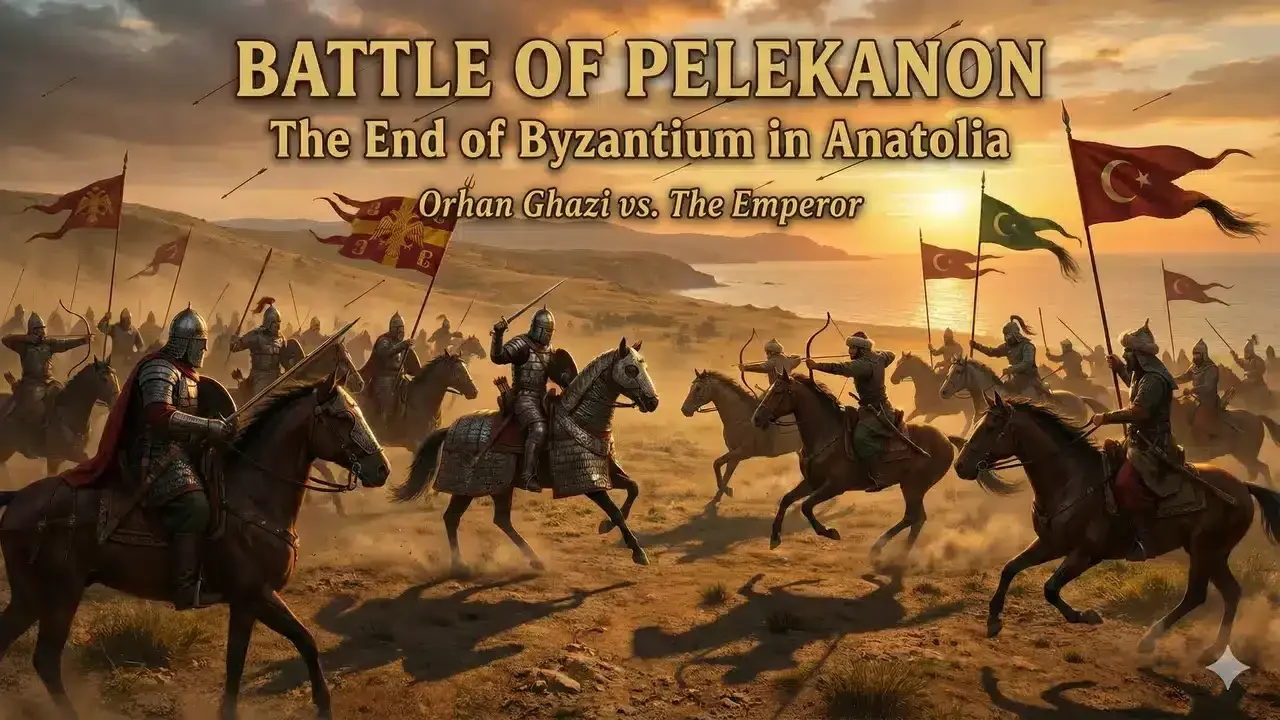
The Battle of Pelekanon (June 1329) was a decisive military engagement between the expanding Ottoman forces led by Orhan Ghazi and the Byzantine Empire under Emperor Andronikos III. Fought near modern-day Maltepe, it marked the first time a Byzantine Emperor personally led an army against the Ottomans and was defeated, resulting in the permanent loss of Anatolia.
Check Also: Vlad the Impaler: The Real Brutal History Behind the Dracula Legend
The Rising Storm: Ottoman Expansion Meets Imperial Resistance
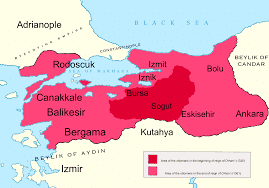
By the early 14th century, the political map of Asia Minor was shifting violently. The Ottoman Beylik, founded by Osman Ghazi, had transformed from a small frontier principality into a formidable state. Upon Osman’s death, his son Orhan Ghazi ascended to the throne with a singular vision: the complete conquest of the remaining Byzantine strongholds in Bithynia.
The Byzantine Empire, once the superpower of the Mediterranean, was crumbling. Civil wars and economic instability had weakened its grip on its eastern territories. However, the loss of Bursa in 1326 was a wake-up call for Constantinople. The new Emperor, Andronikos III Palaiologos, realized that if he did not act immediately, the cities of Nicaea (Iznik) and Nicomedia (Izmit) would be lost forever.
The Strategic Importance of Nicaea
Nicaea was not just a city; it was a symbol. It had served as the interim capital of the Byzantine Empire during the Latin occupation of Constantinople. For Orhan Ghazi, taking Nicaea was essential to consolidate Ottoman power.
In 1329, Orhan placed Nicaea under a tight siege. He did not rush to storm the walls. Instead, he employed a blockade strategy to starve the defenders into submission. Andronikos III, accompanied by his trusted general John Kantakouzenos (the Grand Domestic), gathered an army of approximately 4,000 men. His objective was clear: cross the Bosphorus, relieve the siege of Nicaea, and push the Turks back.
The Clash at Pelekanon: June 10, 1329
The two armies met at Pelekanon (believed to be near modern Maltepe or Eskihisar), located on the coastline of the Sea of Marmara.
The Opposing Forces
- Byzantines: A mix of heavy cavalry, professional soldiers, and mercenaries. While disciplined, they were outnumbered and morale was shaky.
- Ottomans: A highly mobile force of Turkmen archers and light cavalry, numbering around 8,000. They knew the terrain intimately.
Tactics and Turning Points
Orhan Ghazi utilized the classic Turkish tactic of feigned retreat and harassment. As the heavy Byzantine cavalry advanced, Ottoman archers rained arrows upon them from the hills. Andronikos III attempted to force a direct engagement, but the elusive Ottoman troops refused to be pinned down.
By late afternoon, the skirmishes had exhausted the Byzantine troops. The turning point came when Emperor Andronikos III himself was wounded in the leg. Rumors of his death spread rapidly through the Byzantine ranks, causing panic. John Kantakouzenos attempted to maintain order and organized a retreat to the camp, but the psychological damage was done.
Under the cover of darkness, the Ottoman forces launched a final, devastating assault on the retreating Byzantine column. The imperial army broke, fleeing in disarray back toward Constantinople.
Why Pelekanon Changed History
The Battle of Pelekanon was not the largest battle in history by numbers, but its political impact was colossal.
- End of Imperial Intervention: This was the last time a Byzantine Emperor ever led an army into Anatolia to fight the Turks. The defeat signaled that the Empire no longer had the strength to defend its Asian frontiers.
- Fall of Nicaea and Nicomedia: With the relief army defeated, the defenders of Nicaea lost all hope. The city surrendered to Orhan Ghazi in 1331. Nicomedia followed suit in 1337.
- Ottoman Legitimacy: The victory elevated Orhan Ghazi from a local tribal leader to a Sultan capable of defeating an Emperor in open battle.
Check Also: Kingdom of Pontus Explained: Legends, Battles & Historical Impact
Orhan Ghazi: The Architect of Statehood
Orhan Ghazi is often overshadowed by his father Osman or his descendant Mehmed the Conqueror, but Pelekanon proved his military genius. He was not just a warrior; he was a state-builder.
Following the battle, Orhan treated the local Christian population with leniency, encouraging them to remain and pay taxes rather than fleeing. This pragmatic approach helped integrate the conquered lands into the growing Ottoman state.
For those fascinated by this era, modern media has brought these stories to life. The ongoing TV series depicts the struggles and triumphs of this period vividly. If you are following the rise of the state and want to watch the Sultan Orhan Ghazi (Kurulus Orhan) series with English subtitles, you should visit kurulusorhan.io for the latest episodes.
Timeline of the Conflict (1326–1337)
- 1326: The city of Bursa surrenders to the Ottomans; Osman Ghazi dies, and Orhan Ghazi becomes Bey.
- 1328: Andronikos III becomes the sole Emperor of Byzantium after a civil war.
- May 1329: Orhan Ghazi besieges Nicaea (Iznik).
- June 10-11, 1329: The Battle of Pelekanon takes place. Andronikos III is defeated and wounded.
- 1331: Nicaea officially surrenders to Orhan Ghazi.
- 1337: Nicomedia (Izmit) falls, completing the conquest of Bithynia.
People Also Ask (FAQs)
1. Who won the Battle of Pelekanon?
The Ottoman forces led by Orhan Ghazi won the battle. They defeated the Byzantine army commanded by Emperor Andronikos III, forcing them to retreat to Constantinople.
2. Why was the Battle of Pelekanon important?
It was the first and last time a Byzantine Emperor personally led an army against the Ottomans and lost. The defeat confirmed that the Empire could not save Anatolia, leading to the fall of Nicaea and Nicomedia.
3. Where is Pelekanon located today?
Pelekanon is believed to be located near the modern Turkish districts of Maltepe or Darica, along the coast of the Sea of Marmara, just east of Istanbul.
4. Did Orhan Ghazi kill Andronikos III?
No, Orhan Ghazi did not kill him. Andronikos III was wounded in the leg during the battle but managed to escape back to Constantinople by sea.