
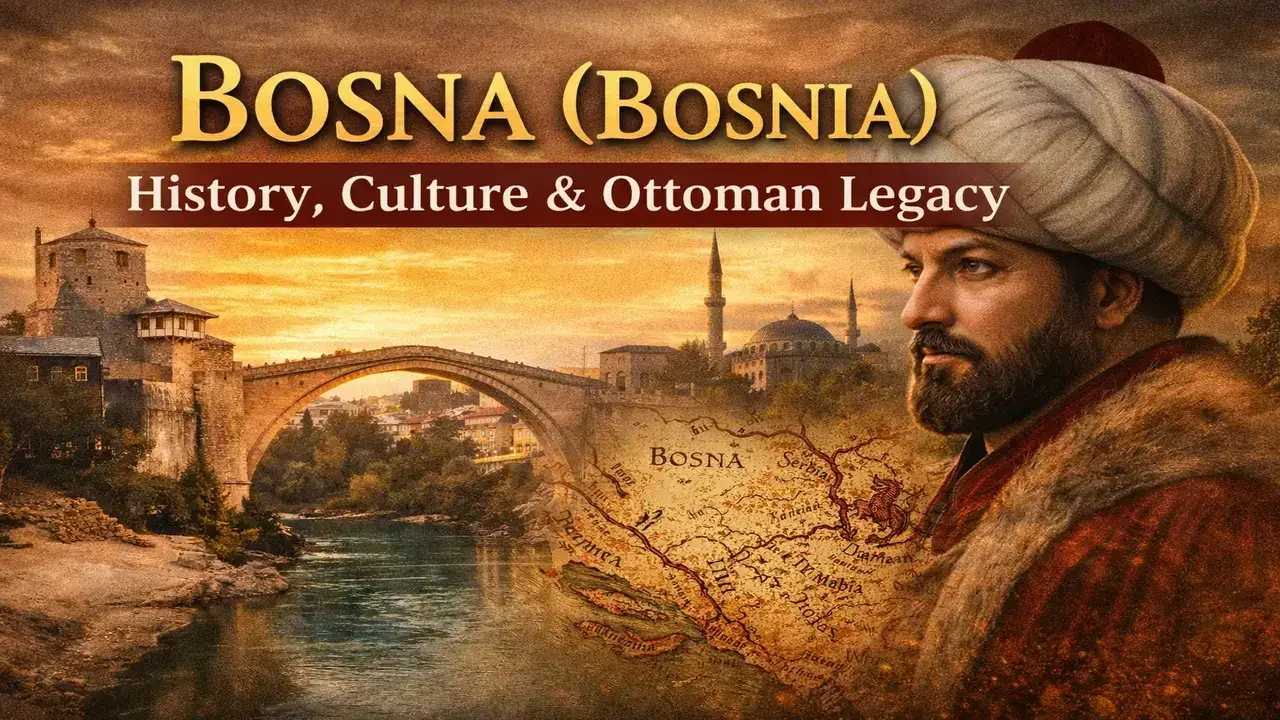
Introduction: Understanding Bosna Beyond Borders
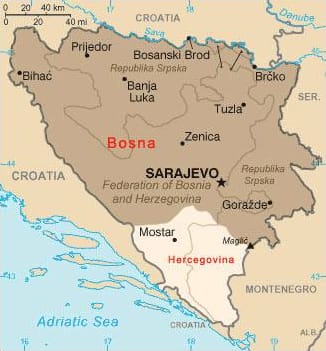
The region historically known as Bosna, today recognized as Bosnia and Herzegovina, occupies a unique place in European history. Situated at the heart of the Balkans, this land has witnessed the rise and fall of empires, religious transformations, and cultural coexistence that still shape its identity today.
Readers searching for this historic territory are usually seeking context rather than isolated facts. They want to understand how it emerged, why it mattered to powerful empires, and how its past continues to shape identity in the present. This guide addresses those questions clearly and naturally, following Google SEO 2025 best practices and a reader-first approach.
Related: Çiçek Hatun: The Life, Legacy, and Historical Importance of Sultan Mehmed II’s Consort
Geography and Strategic Significance
Located in southeastern Europe, the country borders Croatia, Serbia, and Montenegro. Its mountainous terrain, deep valleys, and river networks made it both defensible and strategically valuable.
For centuries, this geography served three purposes:
- Protection against invading forces
- Control of key trade routes between East and West
- Natural separation of political spheres in the Balkans
The Bosna River, from which the region takes its name, played a central role in settlement and commerce.
Origins of the Name and Early History
The name “Bosna” is believed to derive from the ancient river Bathinus, referenced in Roman records. As Slavic populations settled the area, the name evolved and gradually became associated with a distinct land and identity.
By the High Middle Ages, the term no longer described only geography—it defined a political and cultural region.
Medieval Bosnia: Independence and Identity
Before Ottoman expansion, the land functioned as an independent medieval state.
Key Characteristics of the Medieval Era
- Ruled by bans (governors) and later crowned kings
- Maintained autonomy between Hungarian and Serbian influence
- Known for religious diversity, including the Bosnian Church
Under Tvrtko I, crowned in 1377, the kingdom reached its greatest territorial extent. However, internal divisions and external pressure gradually weakened its defenses.
Related: The Battle of Otlukbeli (1473): How Mehmed II Secured the East and Crushed the White Sheep Empire
Ottoman Rule: Transformation, Not Erasure
In 1463, the region was incorporated into the Ottoman Empire during the reign of Sultan Mehmed II. This marked a turning point rather than an end.
Ottoman administration brought:
- Structured provincial governance
- Urban growth and new institutions
- Gradual spread of Islam alongside existing faiths
Cities such as Sarajevo and Mostar flourished, becoming centers of trade, learning, and architecture.
“Bosnia was integrated into the empire without losing its local character.”
— Balkan historical assessment
Religious and Cultural Pluralism
One of the most defining features of the region is its multifaith society. Under Ottoman rule:
- Muslims, Catholics, Orthodox Christians, and Jews lived side by side
- Sephardic Jews arrived after 1492, enriching urban culture
- Architectural harmony reflected coexistence
Mosques, churches, and synagogues often stood within the same neighborhoods—a rare phenomenon in early modern Europe.
Related: Vlad the Impaler: The Real Brutal History Behind the Dracula Legend
Frontier Province and Military Importance
This territory was not a passive province. Its frontier status made it a defensive shield against Habsburg expansion.
From this land emerged:
- Ottoman military commanders
- Regional governors
- Scholars and jurists
Its soldiers and administrators played a vital role in safeguarding the empire’s western borders.
Bosnia in Historical Dramas and Popular Culture
Modern interest in Balkan history has grown through television series exploring the Ottoman era. The geopolitical importance of the region appears in productions like Mehmed Fetihler Sultanı, which highlights imperial strategy during Mehmed II’s reign.
You can watch Mehmed Fetihler Sultanı with English subtitles on kurulusOrhan.io, making the historical context accessible to international audiences.
Austro-Hungarian Administration and Modernization
In 1878, control passed to the Austro-Hungarian Empire. This period introduced:
- Railways and modern administration
- New legal and educational systems
- Rising nationalist tensions
While modernization accelerated, identity conflicts intensified beneath the surface.
Twentieth Century: Conflict and Survival
The modern era brought profound challenges:
- Sarajevo became the spark of World War I in 1914
- Integration into Yugoslavia reshaped governance
- The Bosnian War (1992–1995) tested the limits of coexistence
Despite immense hardship, the society endured and rebuilt.
Bosnia Today: Memory and Resilience
Today, Bosnia and Herzegovina stands as a sovereign European state marked by:
- Cultural endurance
- Historical awareness
- Commitment to coexistence
Its bridges, bazaars, and medieval ruins attract historians and travelers seeking to understand the Balkans beyond headlines.
Why This History Still Matters
The story of Bosna illustrates broader truths:
- Empires fade, cultures adapt
- Diversity can persist through centuries of change
- Geography shapes destiny, but people shape history
In a world of simplified narratives, this region offers depth and realism.
Conclusion
From medieval independence to Ottoman integration and modern nationhood, Bosna’s journey reflects the complexity of Balkan history. Understanding this past provides valuable insight into European civilization, cultural resilience, and the enduring legacy of coexistence.