
Vefa Sultan Episode 47 English Subtitles

Vefa Sultan Episode 47 Recap: A Turning Point in the Series Vefa Sultan continues to captivate audiences across the globe with its deeply rooted Sufi storytelling and rich Ottoman spiritual atmosphere. Episode 47 delivers one of the most emotionally layered installments of the season, blending themes of loyalty, loss, and divine trust. Check Also: Vefa Sultan Episode 46 English Subtitles What Happens in Vefa Sultan Episode 47? In Vefa Sultan Episode 47, the dervish lodge faces a leadership crisis as Şeyh Baba seeks a worthy successor. Meanwhile, key characters confront their past sins, and a surprising prison encounter reshapes alliances — all set against a backdrop of deep Sufi wisdom and human emotion. Key Storylines in Episode 47 The Search for a Rightful Successor One of the most compelling threads in Episode 47 revolves around the question of spiritual inheritance. Şeyh Baba stresses that the lodge must have a strong foundation after his time — a theme that resonates deeply with audiences familiar with Ottoman Sufi tradition. The episode cleverly distinguishes three paths: the way of knowledge (ilim), the way of service (hizmet), and the way of love (aşk) — giving viewers rare insight into classical Sufi philosophy. Zülfikar and the Prison Arc Zülfikar’s storyline takes center stage as he navigates a morally complex situation inside a detention cell. His eventual release — thanks to timely intervention — carries powerful lessons about humility and community trust. Selman’s Quiet Devotion Selman Derviş exemplifies selfless loyalty throughout the episode. His quiet mission to comfort Celalettin Hatun after her grief adds emotional depth rarely seen in Turkish drama series. Why English Subtitle Fans Love Vefa Sultan The English-subtitled version of Vefa Sultan has attracted a growing international fanbase. Viewers from the UK, USA, Pakistan, and South Africa regularly search for reliable subtitle sources. The show’s producer, Şefkat Eli İnsani Yardım Derneği, continues delivering high-quality spiritual content that bridges cultures. Where to Watch Vefa Sultan Episode 47 with English Subtitles Fans can find Vefa Sultan Episode 47 English subtitles on dedicated Turkish drama platforms and YouTube channels that offer licensed or community-translated versions. Always choose verified sources to enjoy the best viewing experience without spoilers.
Kurulus Orhan Episode 21 (English Subtitle): Nilüfer, Asporça, and the Battle for Orhan’s Household
Sultan Orhan saved Prenses Asporça from execution and immediately announced his intention to marry her. Nilüfer, now pregnant, watches carefully, while Evrenos has just proposed to Fatma, creating tension and uncertainty in the household. Kurulus Orhan Episode 21 is expected to explore how these intertwined choices reshape alliances and influence within Gemlik. Check Also: Source 1: Video Player Source 2: Downlooad Now Quick Overview Detail Information Series Kurulus Orhan Episode 21 Release Date 8 Apr 2026 Central Conflict Household tension following Orhan’s marriage announcement Key Characters Orhan, Asporça, Nilüfer, Evrenos, Fatma Core Themes Loyalty, honor, political strategy, personal rivalry Note: “Kurulus Orhan” continues the story from “Kuruluş: Osman.” New viewers may benefit from context on key characters. Episode 20 Recap Gemlik’s victory came at a steep cost. Soldiers were lost, and Evrenos’ ambitions collided with Orhan’s broader plans. Asporça’s near-execution was the defining moment, and Orhan’s intervention set the stage for his surprise marriage announcement as a peace gesture with Emperor Andronikos. Nilüfer maintained her composure despite carrying Orhan’s child, while Fatma and Evrenos suddenly faced a more complex household dynamic. Orhan controlled Gemlik physically, but consolidating loyalty and influence within the household remained a delicate challenge. What to Expect in Episode 21 In Kurulus Orhan Episode 21 focuses on the personal fallout following Orhan’s announcement. Nilüfer must navigate her position carefully, leveraging her pregnancy while observing Asporça’s actions and the reactions of others. Evrenos’ independent streak suggests he may test Orhan’s authority subtly or manipulate household dynamics to his advantage. Meanwhile, Asporça will rely on diplomacy and measured interactions to establish her place, balancing her relationship with Orhan against Nilüfer’s influence. Nilüfer vs Asporça: A Delicate Rivalry One of the episode’s most compelling angles is the evolving relationship between Nilüfer and Asporça. Nilüfer has long been Orhan’s central female influence, but Asporça’s sudden integration into the household challenges that position. Previews suggest moments of tension: sharp glances, pointed conversations, and careful maneuvering for household influence. This rivalry is likely to shape alliances and personal dynamics in ways that could affect the entire season, giving viewers a closer look at the personal politics behind Orhan’s leadership. Why This Episode Matters Episode 21 highlights the challenge of managing loyalty and influence within the household. Orhan’s marriage is not merely a political move—it tests his ability to navigate relationships, assert authority, and balance personal and political stakes among those closest to him. How Nilüfer, Asporça, and Evrenos respond will define the internal dynamics of Gemlik moving forward. FAQs Q1: Why is Orhan marrying Asporça? The marriage is a strategic gesture, signaling peace with Emperor Andronikos and consolidating Orhan’s authority over Gemlik. It also ties key household and regional loyalties more closely to him. Q2: How will Nilüfer respond? Nilüfer’s position is delicate. Her pregnancy grants leverage, but she must act thoughtfully to protect her influence and maintain her role as Orhan’s primary partner. Her interactions with Asporça will be pivotal. Q3: What role might Evrenos play? Evrenos is ambitious and independent-minded. While engaged to Fatma, he may test Orhan’s authority subtly or manipulate household dynamics to his advantage, creating tension and unpredictability. Q4: How will Asporça navigate her new environment? Asporça is expected to rely on diplomacy and observation. By balancing her relationship with Orhan and respecting household hierarchies, she can establish influence without immediate conflict. Final Note Kurulus Orhan has consistently shown that the real battles are not always fought on open ground. Episode 21 appears to be exactly that kind of episode — one where the outcome depends less on swords and more on who reads the room correctly. With Nilüfer’s quiet determination, Asporça’s calculated entry, and Evrenos’ unpredictable ambition all converging at once, this episode has the potential to shift the season’s direction in ways that go beyond a single marriage announcement. Watch it closely.
Mehmed Fetihler Sultanı Episode 75 (English Subtitles): The Cost of Losing Control
At the end of the last episode, Rozatun collapses in front of Mehmed without warning, cutting through a moment that had no visible threat attached to it. Just minutes earlier, Mehmed had restored order publicly at the fountain. This contrast—swift control followed by sudden loss—creates the exact situation Mehmed Fetihler Sultanı Episode 75 must deal with: authority that looks stable, but isn’t. Check Also: Source 2: Download Now What to Expect in Episode 75 Episode 75 focuses on how quickly control can weaken when it is not yet fully established. Mehmed is no longer dealing with open resistance—he is dealing with uncertainty inside a city that has not fully accepted his rule. The challenge is not expansion, but preventing small fractures from turning into larger instability. Quick Overview Detail Information Series Mehmed Fetihler Sultanı Episode 75 Release Date 7 April 2026 Central Conflict Mehmed maintaining authority in Bosna after a destabilizing personal loss Key Characters Sultan Mehmed, Vlad, Katerina, Bahadır Paşa Core Themes Authority, perception, instability, control What Happened Before Episode 75 The previous episode moved Bosna from conquest into early governance—but that transition never fully settled. Mehmed’s public address introduced a controlled approach. Instead of ruling through fear, he offered protection and tax relief. This wasn’t generosity—it was strategy. He needed compliance to come from acceptance, not just force. That approach was tested at the fountain. When soldiers were seen harassing civilians, Mehmed intervened immediately and punished them in public. The message was clear: discipline applies to everyone, including his own forces. But the fact that intervention was needed at all showed that control was still being enforced, not yet internalized. Religious tension added another layer. The situation involving Papaz Aron made it clear that governance would not be purely administrative. Authority had to navigate belief, identity, and resistance that would not disappear quickly. Then came the shift. Rozatun’s presence in the city created a pause in the narrative. When Mehmed stands with her, there is no command being issued, no visible pressure. That stillness is broken without warning when she collapses. Mehmed does not react the way he did at the fountain. There is no immediate order, no visible decision. That interruption—more than the event itself—is what carries into Episode 75. Character Focus and What Changes Now Sultan Mehmed Two scenes define Mehmed’s position going into Episode 75: the fountain and Rozatun’s collapse. At the fountain, he acts instantly and publicly. His authority is visible and decisive. In contrast, when Rozatun collapses, he pauses. That pause is not just emotional—it breaks his established pattern of control. Episode 75 will likely show how he compensates for that moment, because restoring authority now requires more than just giving orders—it requires reasserting certainty. Vlad Vlad’s last appearance confirms he is operating under physical limitation due to injury. What is not shown is how he intends to act next. Given his condition and Bosna’s unstable state, the most plausible direction is indirect pressure rather than direct confrontation. This is not confirmed, but it aligns with the current situation: Mehmed is occupied internally, and any external force benefits more from creating disruption than from immediate engagement. Katerina Katerina’s interaction with Vlad introduces hesitation that was not present earlier. She does not respond with clear alignment or opposition, which creates uncertainty around her position. That hesitation becomes critical because her role depends on timing. If she delays a decision in a moment that requires clarity, it can shift control away from her. Episode 75 is likely to force her into a situation where that hesitation has direct consequences. Bahadır Paşa Bahadır Paşa’s importance becomes clearer when looking at how he operates during moments of disorder. In the fountain scene, while Mehmed delivers the visible judgment, the enforcement of that order depends on figures like Bahadır Paşa. He represents the continuation of authority beyond the Sultan’s direct presence. His role is not dramatic, but it is structural—he ensures that Mehmed’s decisions hold after they are made. If Mehmed’s focus is divided in Episode 75, Bahadır Paşa becomes the figure maintaining discipline on the ground. His importance increases not abstractly, but because he is the one who translates authority into ongoing control. Tension Inside Bosna Two moments define Bosna’s condition: the fountain incident and the conflict involving Papaz Aron. The fountain shows that discipline still requires intervention. The religious dispute shows that acceptance of Mehmed’s rule is incomplete. Together, these indicate that Bosna is stable on the surface, but not fully settled underneath. Rozatun’s death adds a different kind of pressure. It is not political, but it affects perception. If Mehmed appears even briefly disrupted, that perception can influence both internal confidence and external calculation. What Will Happen Next Rozatun’s death is placed immediately after multiple tension points—discipline, governance, and religious friction. That positioning suggests it is not an isolated narrative event, but part of a larger shift in the episode’s direction. Vlad’s next move, based on current conditions, is more likely to involve indirect influence rather than direct action. This remains a projection, not a confirmed outcome, but it fits the imbalance created in Bosna. Inside the city, Mehmed’s first response will define the immediate trajectory. A harsh response could restore order quickly but increase resistance. A measured response could stabilize perception but invite further testing. Episode 75 will likely center on that decision and its consequences. Why Mehmed Fetihler Sultanı Episode 75 Matters Episode 75 is the first point where Mehmed’s authority is tested immediately after being publicly established. The fountain scene proves he can enforce discipline. Rozatun’s collapse, moments later, shows that control can still be interrupted without warning. What makes this episode different is that it connects those two events directly—authority is not being challenged from outside, but from the gap between control and unpredictability. This episode determines whether Mehmed can close that gap quickly, or whether Bosna remains vulnerable to further instability. FAQs How will Rozatun’s death influence Mehmed’s leadership? It interrupts his established pattern of immediate response. Episode 75
King Matthias Corvinus: The Legendary Warrior King Who Transformed Medieval Europe
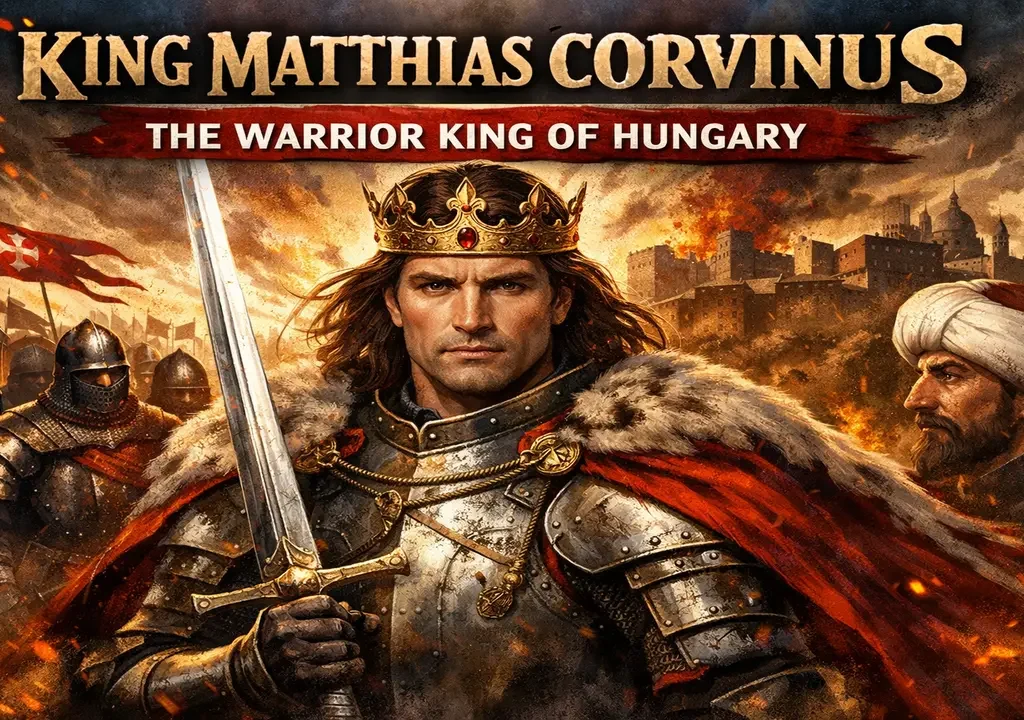
King Matthias Corvinus was the powerful ruler of Hungary from 1458 to 1490, known for building the Black Army, strengthening royal authority, and resisting Ottoman expansion. His reign marked a golden age of culture, military reform, and political stability in Central Europe. Who Was King Matthias Corvinus? King Matthias Corvinus stands among the most remarkable rulers of medieval Europe. Born in 1443, he became King of Hungary at just 14 years old. His full name, Matthias Corvinus, reflects both heritage and ambition. “Corvinus” comes from the Latin word corvus (raven), a symbol tied to his family identity. But Matthias was not just a king by title. He was a strategist, reformer, and one of the first rulers to modernize warfare in Europe. Early Life and Rise to Power A Royal Path Shaped by Conflict Matthias was the son of John Hunyadi, a respected military leader who defended Hungary against Ottoman expansion. After his father’s death, Hungary entered political instability. At just 14 years old, Matthias was unexpectedly elected king in 1458. This was not a ceremonial rise. He had to fight for authority from the very beginning. Consolidating Power in Hungary Once crowned, Matthias moved quickly. He reduced the influence of powerful nobles and centralized royal authority. Unlike many kings of his time, he ruled with both force and intelligence. He built alliances, reformed administration, and ensured loyalty through strategic governance. The Black Army: Europe’s First Professional Force One of the most defining achievements of King Matthias Corvinus was the creation of the Black Army of Hungary. What Made the Black Army Unique? This was not a feudal army. It was a paid, professional military force, something rare in the 15th century. The army included: This gave Matthias a significant advantage over traditional medieval forces. Military Success and Expansion With the Black Army, Matthias achieved major victories across Central Europe. He expanded influence into: At one point, he even captured Vienna in 1485, a bold move that shocked Europe. Conflict with the Ottoman Empire The rise of the Ottoman Empire under leaders like Mehmed II created constant tension for Hungary. Defending the Frontier Hungary stood as a frontline state between Europe and Ottoman expansion. Matthias continued his father’s legacy by strengthening border defenses. He fortified castles, improved logistics, and maintained a strong military presence. Strategic Balance Instead of Full War Unlike some rulers, Matthias did not always seek direct confrontation. He balanced diplomacy and military readiness. This pragmatic approach helped Hungary remain stable while facing a powerful empire. Cultural Renaissance Under Matthias Corvinus A King of Knowledge Matthias was not only a warrior. He was also a patron of learning. He established the famous Bibliotheca Corviniana, one of the largest libraries in Europe at the time. Renaissance Influence in Hungary Under Matthias, Hungary experienced a cultural transformation influenced by the Italian Renaissance. He invited scholars, artists, and architects from across Europe. This made his court one of the most advanced cultural centers north of Italy. Governance and Reforms Strong Central Authority Matthias restructured taxation and administration. He ensured that the crown—not nobles—controlled state power. This made Hungary more stable and efficient. Legal and Economic Changes He introduced reforms that improved: These changes strengthened the economy and increased royal revenue. The Capture of Vienna: A Bold Move In 1485, Matthias achieved one of his most famous victories by capturing Vienna. This was not just a military success. It was a political statement. By controlling Vienna, Matthias positioned himself as a dominant force in Central Europe. Few medieval kings achieved such reach. The Final Years and Death King Matthias Corvinus died in 1490. His death created a power vacuum. Without a strong successor, many of his reforms weakened over time. The Black Army dissolved. Hungary eventually became more vulnerable to external threats. Legacy of King Matthias Corvinus Matthias is remembered as: His reign is often called the golden age of Hungary. Even today, he remains a symbol of leadership and national pride. Unique Insight: Why Matthias Was Ahead of His Time Many rulers fought wars. Few changed systems. Matthias understood that power came from organization, not just force. His use of a standing army, administrative reforms, and cultural investment made him a proto-modern ruler. This is what separates him from other medieval kings. King Matthias in Modern Media and Historical Dramas Interest in medieval figures like King Matthias Corvinus has grown due to historical dramas. For viewers interested in similar themes of empire, war, and strategy, you can watch Mehmed Fetihler Sultanı with English subtitles on KurulusOrhan.io, where Ottoman-era stories and rival powers are explored in depth. Timeline: Key Events of King Matthias Corvinus People Also Ask (FAQs) Who was King Matthias Corvinus? He was the King of Hungary from 1458 to 1490, known for military reforms, cultural patronage, and strong governance. What was the Black Army? The Black Army was a professional, paid military force created by Matthias, considered one of the first modern armies in Europe. Did Matthias fight the Ottomans? Yes, he defended Hungary against Ottoman expansion while maintaining strategic balance through diplomacy and military strength. Why is Matthias Corvinus important? He modernized Hungary’s military and governance, making it a major power in Central Europe during the 15th century.
Commander Andreas – The Byzantine Warrior Who Challenged Ottoman Power
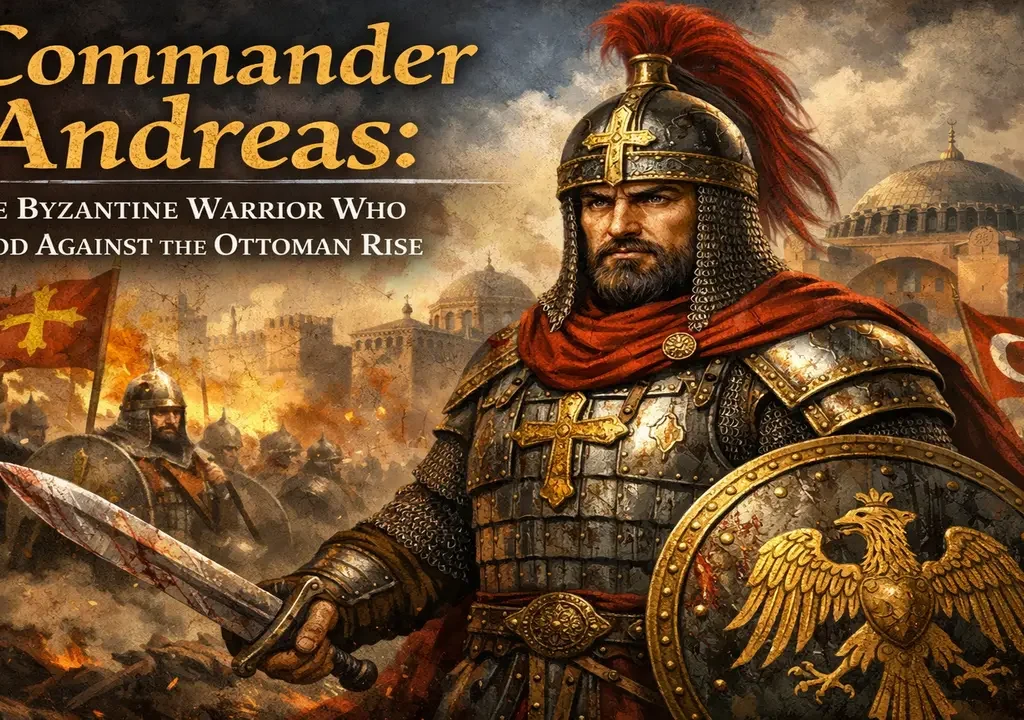
There are villains you forget the moment a scene ends. Then there are antagonists who grip you so tightly that you find yourself quietly respecting them — even while rooting for the other side. Commander Andreas, the formidable Byzantine military leader featured in the hit Turkish historical drama Kuruluş Orhan, is exactly that kind of character. He represents something far bigger than a single man on horseback. He embodies the last desperate breath of a crumbling empire. He carries the weight of Byzantine pride, Roman military tradition, and the stubborn refusal to accept that the world is changing beneath his feet. Whether you encountered him first through the television screen or stumbled across his name while researching early Ottoman-Byzantine conflicts, Commander Andreas is a figure worth understanding deeply. His story — rooted in both historical reality and dramatic storytelling — reveals the brutal, fascinating dynamics of 14th-century Anatolia. Who Was Commander Andreas? To understand Commander Andreas, you first need to understand the world he inhabited. During the late 13th and early 14th centuries, the Byzantine Empire was in severe decline. Once the most powerful state in the Mediterranean, it had been weakened by internal power struggles, the catastrophic Fourth Crusade of 1204, and the relentless pressure of Turkic tribes pushing westward across Anatolia. The frontier zones of northwestern Anatolia — particularly the regions around Bursa, Bilecik, İnegöl, and Gemlik — became contested borderlands. Byzantine fortresses dotted the landscape, each one commanded by a military governor or tekfur (the Turkish term for a Byzantine lord or commander). These men were responsible for holding the line against the expanding Ottoman beylik. The Role of Byzantine Frontier Commanders Commanders like Andreas served as the empire’s last shield in Anatolia. They controlled fortified towns, maintained garrisons of professional soldiers, and forged alliances — sometimes with other Byzantine lords, sometimes with rival Turkish tribes — to resist Ottoman encroachment. These were not pampered palace generals. Frontier commanders lived hard, fought constantly, and operated with significant autonomy from Constantinople. Many of them were shrewd political operators who understood that survival required more than just swords. It required diplomacy, deception, and occasionally betrayal. Commander Andreas, as portrayed in the Kuruluş Orhan series, captures this reality with striking authenticity. Commander Andreas in Kuruluş Orhan: A Character Study The Kuruluş Orhan Series with English Subtitles on KurulusOrhan.io has introduced international audiences to a richly detailed version of Commander Andreas that goes far beyond the typical “foreign villain” archetype common in historical dramas. A Warrior With Conviction What makes Andreas compelling is that he genuinely believes he is fighting for the right cause. He does not see himself as an oppressor or a tyrant. From his perspective, he is defending centuries of civilization, order, and Christian heritage against what he views as an existential threat. This moral complexity elevates the entire series. When Andreas clashes with Orhan Gazi on the battlefield or across a negotiating table, the tension does not come from simple good-versus-evil dynamics. It comes from two deeply committed men who each believe history is on their side. Military Brilliance and Strategic Thinking Andreas is not a brute who charges blindly into battle. The series portrays him as a calculating strategist — someone who studies his enemy, exploits weaknesses, and understands the value of patience. He forms alliances with other tekfurs, coordinates ambushes, and uses intelligence networks to stay ahead of Ottoman movements. This mirrors historical accounts of Byzantine frontier warfare, where commanders relied heavily on defensive strategy, fortification, and coalition-building rather than direct large-scale confrontation. The Byzantine military tradition, inherited from Rome, emphasized discipline and tactical flexibility — traits that Andreas displays throughout the series. The Human Side of the Enemy One of the most striking choices the writers made was to give Andreas genuine emotional depth. He is not a cardboard cutout antagonist. Viewers see his loyalty to his people, his burden of command, and moments where his resolve cracks under the weight of inevitable defeat. This layered portrayal has earned praise from audiences worldwide. On forums dedicated to the Kuruluş Orhan Series on KurulusOrhan.io, fans frequently discuss Andreas as one of the most well-written characters in the show — a testament to both the scriptwriters and the actor’s performance. The Byzantine-Ottoman Conflict: Why It Matters The clash between figures like Commander Andreas and Orhan Gazi was not a minor border skirmish. It was a civilizational turning point that shaped the next six centuries of world history. From Frontier Beylik to Empire When Osman Gazi founded the Ottoman principality in the late 1200s, it was one of many small Turkic beyliks competing for territory in Anatolia. What made the Ottomans different was their position on the Byzantine frontier. Every fortress they captured, every tekfur they defeated, brought them closer to the richest prize in the region — the city of Bursa. Orhan Gazi’s conquest of Bursa in 1326 transformed the Ottomans from a tribal confederacy into a genuine state. And every step toward that conquest involved confronting Byzantine commanders who, like Andreas, fought tenaciously to preserve their world. The Fall of the Frontier Fortresses Historical sources describe a pattern that repeated itself across dozens of fortress towns during this period. Ottoman forces would besiege a fortified position, cut off supply lines, and apply sustained pressure over weeks or months. Some commanders surrendered and were treated with relative mercy. Others fought to the end. The series captures this grinding, methodical style of conquest with impressive detail. Commander Andreas represents the commanders who chose resistance — those who staked everything on holding their ground, even as the world shifted irreversibly around them. Why Audiences Connect With Commander Andreas In a television landscape crowded with one-dimensional villains, Andreas stands apart. International viewers, particularly those watching with English subtitles on KurulusOrhan.io, have responded to the character with remarkable enthusiasm. Complexity Over Caricature Modern audiences crave nuance. They want antagonists who feel real, whose motivations make sense from their own perspective. Commander Andreas delivers exactly that. His opposition to Orhan Gazi is not rooted in personal hatred. It is rooted in duty, honor, and a genuine desire to protect his
Kurulus Orhan Episode 20 (English Subtitles)
Kurulus Orhan Episode 20 with English Subtitles drops on 01 April 2026. Sultan Orhan just barely saved Princess Asporça from execution in Gemlik, but now Commander Andreas wants them both dead while Nilüfer Hatun fights a terrifying health crisis in Bursa. Watch only at KurulusOrhan.io. Watch Also: Mehmed Fetihler Sultanı Episode 74 English Subtitles Download Now Related Articles You Should Check Out Okay, let’s talk about it. Because if you watched that final scene of Episode 19 and you’re still functioning like a normal human being, I honestly don’t believe you. If you missed anything from last week, go read our Kurulus Orhan Episode 19 full review and breakdown where we covered every single scene in detail. First time watching the series? Our beginner’s guide to watching Kurulus Orhan with English Subtitles on KurulusOrhan.io walks you through everything you need to get started. And if you want to understand the real events behind the show, don’t miss our deep dive on the true history of Orhan Gazi and the founding of the Ottoman Empire. That Episode 19 Ending Broke Me — And Episode 20 Is About to Be Even Worse Sultan Orhan Gazi literally crashed into that execution square at the very last second. Like, the rope was already around Asporça‘s neck. Andreas was giving his victory speech. The crowd was chanting. And then boom — Orhan showed up with his alps and ripped that whole scene apart. My heart was pounding so hard I had to pause and take a breath. Not even kidding. But here’s the thing that scares me. Orhan saved her. Great. Amazing. But now what? He’s trapped inside Gemlik with maybe ten guys. Andreas has the entire city locked down. Prens Andronikos is sailing in with a whole army. And back in Bursa? Nilüfer Hatun collapsed and the screen just went black. BLACK. They really did that to us. Kurulus Orhan Season 1 Episode 20 is going to be absolutely wild. I can feel it in my bones. And honestly, I’m not sure everyone is making it out alive this time. When Does Episode 20 Drop? Here’s Everything You Need to Know Release Date and Where to Watch Mark it in your phone right now — Kurulus Orhan Episode 20 airs on ATV Turkey on Wednesday, 01 April 2026. That’s the original Turkish broadcast during prime time. Now for those of us who need English Subtitles — and that’s most of this community — head straight to KurulusOrhan.io. They’re hands down the fastest and most reliable source for subtitled episodes. I’ve tried other sites and honestly, the translations are either slow or completely wrong. KurulusOrhan.io gets it right every single time, usually within a few hours of the Turkish airing. Whether you’re watching from London, New York, Karachi, Toronto, or Melbourne, the subbed version usually goes live late Wednesday night or early Thursday morning your time. Pro tip — sign up for their notification alerts so you don’t miss the drop. The site works perfectly on phones, tablets, and laptops, so you’ve got no excuses. Quick Recap — The Crazy Stuff That Happened in Episode 19 Before we dive into predictions, let me run through what Episode 19 threw at us because honestly, it was a LOT. Karacahisar Is Back in Ottoman Hands Sultan Orhan took back Karacahisar in a beautiful military move right at the start of the episode. The Ottoman sancak went back up on those fortress walls and the people of Bursa were celebrating in the streets. Şahin Şah and Germiyanoğlu got absolutely humiliated. You love to see it. Orhan Rushed to Gemlik to Save Asporça But Orhan barely had time to enjoy the win. Intel came in that Prens Andronikos was sending troops to Gemlik to grab İznik and overthrow his own grandfather, the Byzantine Emperor. If that happens, every deal Orhan has with Byzantium falls apart. So Orhan left Alaaddin Bey and Cerkutay Bey to handle Şahin Şah and rode straight to Gemlik himself. Andreas Turned Gemlik Against Asporça This one hurt to watch. Commander Andreas had been working the crowd for days, telling the people of Gemlik that Princess Asporça and her father ruined everything. He basically turned the whole city into an angry mob. Then he dragged Asporça out for a public execution. Daphne — someone Asporça actually trusted — was in on the whole thing. That betrayal stung bad. Fatma Went Undercover and Flavius Fought Yiğit Fatma Hatun snuck into the prison dressed as a nun to reach Asporça before the execution. Absolute queen behavior. Meanwhile, Flavius had a brutal fight with Yiğit after that coward’s treachery was fully exposed. Yiğit is honestly one of the most hateable characters this show has ever created. In my opinion, he deserves everything coming his way. Nilüfer Collapsed and I’m Still Not Okay And then the gut punch. Nilüfer Hatun, alone in the Bursa palace while everyone else was either fighting or watching over Alaaddin, suddenly collapsed in terrible pain. She was screaming for a midwife. The camera pulled back. The episode ended. I sat there staring at my screen for a solid minute. How do they expect us to wait a whole week after THAT? What’s Coming in Episode 20 — My Predictions and Fan Theories Can Orhan Fight His Way Out of Gemlik? Here’s the situation. Orhan Bey is standing in the middle of a hostile city with a handful of loyal alps and a rescued princess who can barely stand. Andreas controls every gate, every wall, and every armed soldier in Gemlik. And somewhere on the water, Andronikos’s fleet is getting closer. I think Episode 20 is going to give us something we’ve never really seen in Kurulus Orhan — a full-blown street battle. Not an open field with horses and arrows. I’m talking narrow alleys, rooftop archers, sword fights in doorways, chaos at the harbor. It’s going to feel completely different from the usual big battle scenes, and honestly, I’m here for it. Now here’s my fan theory. I don’t think Orhan just runs. That’s not who he is. I think he looks at the situation, realizes leaving Andreas alive in Gemlik is too dangerous, and decides to take the whole city right then and there. Would it be insane? Absolutely. Would Orhan do it anyway? One hundred percent yes. Boran Bey and the Temur tribe fighters are already inside the walls. Turan Bey cleared the outer routes. If Dursun Bey shows up with Karesi reinforcements — which Episode 19 hinted at — Orhan might actually have enough muscle to pull it off. I’m Honestly Worried About Nilüfer This is the storyline that’s keeping me up at night. Nilüfer Hatun is pregnant, she collapsed violently, and Orhan is nowhere near Bursa to be with her. Malhun Hatun and Gonca Hatun were panicking when it happened, which tells me this isn’t just normal pregnancy stuff. Something is seriously wrong. Now look. History tells us that Nilüfer Hatun was the mother
Mehmed Fetihler Sultanı Episode 74 English Subtitles
In the shadow of Sofya’s war tents, Fatih Sultan Mehmed stands ready to rewrite history once more. After the explosive events of last week, Episode 74 promises to deliver the payoff viewers have waited for—an all-out clash that pits Ottoman might against a desperate alliance of Bosnian forces, Hungarian knights, and Wallachian fury. Quick Overview: Mehmed: Fetihler Sultanı Episode 74 Feature Details (Key Highlights) Primary Conflict The Ottoman Army vs. a coalition of 80,000 Bosnian, Hungarian, and Wallachian forces. New Leadership Mahmud Pasha officially takes over as Grand Vizier (Sadrazam) following Ishak Pasha’s stepping aside. Key Antagonist Vlad III (Dracula), who escaped Suleyman’s trap and remains the most unpredictable threat. Historical Context The 1463 Bosnia Campaign, which historically ended the independent Bosnian kingdom. Strategic Stakes The arrival of advanced Hungarian artillery (cannons) from King Matthias tests Ottoman defenses. Release Date Tuesday, March 31, 2026 at 20:00 on TRT 1. English Subtitles Available on Kurulusorhan.io immediately following the broadcast. Mehmed Fetihler Sultanı Episode 74 will thrust audiences straight into the heart of the Drina campaign, where strategy, loyalty, and raw courage collide on the battlefield. Watch Also: Kurulus Orhan Episode 20 With English Subtitle Dive deeper into the Divan drama with our full Mehmed Fetihler Sultanı Episode 73 English Subtitles coverage. Where Episode 73 Left the Empire on the Brink The Divan in Sofya delivered a seismic shift. Ishak Pasha, citing health concerns, stepped aside as Grand Vizier. Mahmud Pasha now carries the seal of office, a move that strengthens command yet tests fragile alliances inside the Ottoman camp. Meanwhile, Vlad—the infamous Wallachian prince—slipped through a trap set by Suleyman, leaving questions of betrayal hanging in the air. Bahadır Pasha’s pursuit, the fall of key outposts on the Drina line, and the arrival of Hungarian cannons from King Matthias have turned the plains near Bobovac into a powder keg. Mehmed Fetihler Sultanı Episode 74 picks up exactly here, with the Ottoman army marching forward and the enemy massing 80,000 strong. The Chessboard Expands: Strategy and Sacrifice in Episode 74 Fatih Sultan Mehmed has always treated war like a living game of chess. In Mehmed Fetihler Sultanı Episode 74, that metaphor returns with deadly stakes. Every pawn—whether volunteer fighters or seasoned akıncı—must find its place. One wrong move and the entire campaign collapses. Expect heart-pounding sequences as Şamil Bey and his brave volunteers hold the line against elite enemy units. Mahmud Pasha and Ishak Pasha will coordinate from the center, proving that even rivals can unite when the empire calls. The episode teases a personal reckoning between Mehmed and Vlad, two men bound by blood ties and broken trust. Their duel could decide more than one life—it may shape the future of the Balkans. Explore the real history behind the Bosnian Campaign in our dedicated feature. Historical Echoes: Why This Campaign Matters Fatih Sultan Mehmed’s real-life push into Bosnia in 1463 was no ordinary raid. It ended the independent Bosnian kingdom and opened the door for further Ottoman expansion toward Hungary and beyond. The series stays faithful to that spirit while weaving in the era’s brutal politics. Viewers will see how Mehmed balances mercy and iron will—qualities that made him the conqueror of Constantinople just a decade earlier. The arrival of advanced Hungarian artillery in the story mirrors historical efforts by Matthias Corvinus to check Ottoman power. Even the death of the Pope, reported in the Divan, reflects the power vacuum that fueled crusading ambitions across Europe. This is not just television. It is living history brought to the screen with breathtaking scale. Timeline of Mehmed’s Balkan Campaigns Mehmed Fetihler Sultanı Episode 74 sits at the pivotal moment of this timeline, when one decisive victory could open the road south and west. Character Arcs Reaching Boiling Point Fatih Sultan Mehmed (played by Serkan Çayoğlu) shows new layers of leadership. He inspires his troops with fiery speeches yet wrestles with the weight of every decision. Vlad remains the unpredictable force—brilliant, ruthless, and haunted. Their shared history adds emotional depth to every sword clash. Mahmud Pasha steps into the spotlight as the new Sadrazam. His calm authority will be tested immediately. Bayezid and Mustafa, the young princes, also face their own trials of loyalty and courage on the wings of the army. Even supporting figures like Kurtçu Doğan and Gazanfer deliver moments of quiet heroism that remind viewers why the Ottoman ranks held together against impossible odds. What Makes Episode 74 Unmissable The production team has outdone itself. Vast battlefield scenes, thundering cavalry charges, and the roar of early Ottoman cannons create cinema-level spectacle on the small screen. Yet the human stories—brotherhood tested by war, a vizier’s quiet sacrifice, a traitor’s final choice—keep the drama intimate and gripping. Fans will also notice sharper political intrigue. With the Pope gone and Matthias playing both sides, the coalition against Mehmed grows more dangerous by the hour. One misstep in the Drina valley could hand the enemy a devastating counter-attack. Release Date and How to Watch with English Subtitles Mehmed Fetihler Sultanı Episode 74 premieres Tuesday, 31 March 2026, at 20:00 on TRT 1. High-quality English Subtitles drop the same day on Kurulusorhan.io—the trusted home for fast, accurate translations. Whether you watch on desktop, mobile, or tablet, the site delivers crystal-clear HD with zero delay. For those catching up, Kurulusorhan.io also hosts the full archive of previous episodes, including a complete Episode 73 English Subtitles recap that sets the stage perfectly. Catch the latest Ottoman-era action in Kurulus Orhan Episode 19 English Subtitles right here on Kurulusorhan.io. Frequently Asked Questions When does Mehmed Fetihler Sultanı Episode 74 air? The new episode releases on 31 March 2026 at 20:00 Turkish time on TRT 1, with English Subtitles available immediately on Kurulusorhan.io. Where can I watch Mehmed Fetihler Sultanı Episode 74 with English Subtitles? Head straight to Kurulusorhan.io for the fastest, highest-quality English Subtitles in HD. New episodes go live the same day they air. Will Episode 74 show the full battle with Vlad? The trailer teases a
Kurulus Orhan Episode 19 (English Subtitles)
Kuruluş Orhan Episode 19 continues the epic saga of courage and vengeance as Orhan Bey faces deadly betrayals and rising crusader threats. With Flavius’s treachery and Hector’s dark crusade, this episode promises war, loss, and the blood-soaked road to Bursa’s conquest. Streaming March 25, 2026, with English Subtitles on Kurulusorhan.io. Watch Also: Source 1 Source 2 Download Now Kuruluş Orhan Episode 19: Quick Overview Feature Details & Updates Episode Number Kurulus Orhan Episode 19 Release Date March 25, 2026 Streaming Platform Kurulusorhan.io (Exclusive HD) Subtitles Language English Subtitles (Professional Translation) Main Conflict Orhan Bey vs. Hector (Mabet Knights) Key Location Gebze Valley & The Road to Bursa Major Twist Flavius’s Treachery & Byzantine Palace Conspiracy Emotional Core Osman Bey’s Legacy & Passing the Torch to Orhan Romance / Tension Orhan Bey and Princess Asporça’s Complex Bond Historical Goal Foundations of the Bursa Conquest (1326 CE) A Storm of Faith and Fire: Inside Episode 19’s High Stakes The Osmanlı epic Kuruluş Orhan returns with Kurulus Orhan Ep 19, a saga drenched in vengeance, power, and destiny. Directed masterfully by Metin Günay, this new chapter unfolds after the chaos that left the last episode trembling under betrayal and bloodshed. Episode 18 ended in shockwaves — Flavius’s betrayal ripped through the Byzantine order while sinister plots brewed behind palace walls. The scent of war is now unstoppable. Orhan, fueled by grief and bound by honor, prepares for the most perilous confrontation yet — a war that will define the future of Bursa and the Ottoman cause. The Wounds of Betrayal and the Fire of Revenge In Kurulus Orhan Season 1 Episode 19, Orhan Bey emerges once again as both warrior and leader — a young commander carrying the torch of Osman Bey’s legacy. His wounds are deep, not just from battle, but from Flavius’s treachery, which has turned brotherhood into vendetta. Flavius, once an ally, betrayed Byzantium itself by intertwining religious zeal with personal vengeance. Under the shadow of Hector, he descends into moral chaos, setting off a chain of actions that pit belief against bloodline. The episode’s heart beats with the tension between faith and loyalty. Viewers will witness Orhan’s vow: “Every drop of blood spilled in Bursa shall be avenged.” This moment is both a war cry and a declaration of destiny. A Kingdom on the Brink: Bursa and the Battle Within Bursa, long known as the jewel of conquest, becomes the stage for dual wars — one of swords, and the other of souls. The Ottoman warriors move strategically through Gebze Valley, preparing for a full-scale clash against Hector’s Mabet Knights, whose ambitions stretch beyond mere land — to the enslavement of a people’s spirit. Orhan Bey’s leadership is tested like never before. His army gathers under the banner of faith and unity, while his heart faces conflict between justice and mercy. Meanwhile, within the Byzantine walls, Flavius carries out his silent mission — poisoning the emperor on Hector’s command. But what began as loyalty soon unravels into guilt and fear. Princess Asporça, the emperor’s daughter, becomes an unwilling pawn in this grand conspiracy, her fate now entangled with Orhan’s destiny. Love Amid Chaos: Asporça and Orhan One of the most awaited threads of Kuruluş Orhan Episode 19 is the evolving relationship between Orhan Bey and Princess Asporça. What began as defiance and disdain has turned into complex emotional warfare. The episode teases intimate yet turbulent scenes — moments where Asporça’s fierce pride meets Orhan’s unyielding honor. She sees in him the spirit of her father’s enemy but also the truth her empire hides. Their dialogues – sharp, passionate, and painfully real – form the emotional backbone of Episode 19. It’s no mere love story; it’s the mirroring of two worlds colliding under the weight of faith and empire. Hector’s Dark Order and the Shadow of the Temple Knights Beyond the sentimental storm, Hector’s machinations stretch across borders. His “Mabet Şövalyeleri” (Temple Knights) ignite chaos across Söğüt, İnegöl, and Gebze, burning villages and setting ambushes to weaken the Turkish front. Episode 19 unveils Hector as more than a villain — a strategist molded by fanaticism and prophecy. His words, “We are the sword of God’s wrath,” echo through the battlefield, juxtaposing divine madness with Orhan’s moral clarity. The visual representation — the torched skies of Gebze and the thunderous Ottoman charge — showcases the director’s unrivaled cinematic grandeur. Expect scenes of brutal close combat, fiery horse charges, and symbolic duels reflecting the clash between light and shadow. The Legacy of Osman Bey and the Weight of Leadership For fans who have followed the Osmanlı lineage, Episode 19 carries heavy historical resonance. The aging Osman Bey appears in crucial emotional moments, embracing his son’s destiny with a father’s pride and a sultan’s foresight. “Bursa is your destiny, Orhan. My body may not see it, but my soul will rest in its soil,” he declares — a line destined to echo in every viewer’s heart. This episode not only continues the story but embodies the symbolic torch-passing — from founder to conqueror, from Osman to Orhan — bridging legacy with purpose, and setting up the Bursa conquest arc for the coming episodes. New Alliances and Hidden Wars The dramatic alliances of Episode 19 will reshape the political and emotional landscape of the series. Şahinşah Bey’s ambiguous loyalty, Temurtaş’s secret diplomacy with Saroz, and the cunning Nilüfer Hatun’s fierce maternal wisdom weave a web of tension and unexpected unity. The script builds toward one central question — Who truly holds the destiny of Anatolia?The episode offers multiple answers: each drenched in blood, bound in oath, and written in iron. Fate, Faith, and the Conquest of Bursa As the sun sets over the valley of Gebze, Orhan leads his Alpler in what will mark the beginning of the most critical battle yet. The cries of “Allahu Ekber!” thunder across the mountains, signaling not just war — but destiny taking shape. Fans can expect Orhan Bey Episode 19 to end on a monumental cliffhanger — the death of a beloved character, and the rise of Orhan as a divine avenger, undefeated and unbroken. This is not just the continuation of a series; it’s the forging of empire, one battle at a time. Historical Timeline Context – The Road to Bursa People Also Ask (FAQs) Q1: When will Kuruluş Orhan Episode 19 be released? A: It will release on March 25, 2026, at 22:00 TRT time,
Mehmed Fetihler Sultanı Episode 73 (English Subtitles)
Mehmed Fetihler Sultanı Episode 73 focuses on rising internal tension, revenge for fallen warriors, and Sultan Mehmed’s strategic Bosnia campaign. The episode highlights political conflict, military preparation, and emotional turning points that shape the Ottoman Empire’s next major move. Watch Also: Kurulus Orhan Episode 19 (English Subtitles) Source 2: Download Now Episode 73 Preview: Rising Tensions After a Shocking Loss The story of Mehmed Fetihler Sultanı Episode 73 moves forward with intense emotional and political consequences after a major loss within the Ottoman ranks. The death of a key warrior has shaken the unity of the army, creating anger, grief, and a growing desire for revenge. Inside the Ottoman camp, the atmosphere is no longer calm. Soldiers demand justice. Their voices grow louder, and discipline begins to weaken. This moment becomes a serious test for leadership, as controlling an emotional army is often harder than facing the enemy. At the center of this storm stands Sultan Mehmed II, who must restore order while preparing for a much bigger war ahead. Sultan Mehmed’s Leadership Faces Its Hardest Test One of the strongest themes in Mehmed Fetihler Sultanı Episode 73 is leadership under pressure. Sultan Mehmed II is not only dealing with external enemies but also internal unrest. The soldiers want immediate revenge. However, the Sultan understands that war is not won by emotion. It is won by patience, planning, and discipline. This contrast creates a powerful narrative moment: This difference may lead to conflict within the ranks if not handled wisely. Historically, Mehmed II was known for his ability to control large armies and maintain strict order. Episode 73 reflects this leadership style, showing that true power lies in controlling both the battlefield and one’s own forces. Watch Also: Kurulus Orhan Episode 18 (English Subtitles) The Bosnia Campaign: A War That Changes Everything Mehmed Fetihler Sultanı Episode 73 strongly builds toward a major military campaign in Bosnia. This is not just another battle—it is a strategic move that could reshape the region. The Ottoman army begins preparations for a full-scale campaign. Supplies, weapons, and troops are being organized with precision. Why Bosnia Matters The episode suggests that this campaign will not be easy. Enemy alliances are forming, and resistance is growing stronger. Enemy Alliances and Political Games While the Ottomans prepare for war, their enemies are also making moves. Different factions are trying to unite against Sultan Mehmed II. Political tension increases as leaders debate their next steps. Some key developments expected in Mehmed Fetihler Sultanı Episode 73: This political complexity adds depth to the story. It shows that the war is not only fought with swords but also with decisions and alliances. A Hidden Danger A major highlight of Mehmed Fetihler Sultanı Episode 73 is the internal unrest within the Ottoman army. The loss of a respected figure has created anger among the soldiers. Many begin to question decisions and demand accountability. This situation creates three major risks: If not handled quickly, internal conflict could become more dangerous than the enemy itself. A Strategic Masterstroke in Motion Despite the chaos, Sultan Mehmed II continues to think ahead. The episode hints at a carefully designed plan that forces the enemy into a difficult position. Instead of attacking directly, the strategy involves controlling movement and forcing opponents to react. This reflects a real historical principle: Great commanders win wars before battles even begin. Viewers can expect Mehmed Fetihler Sultanı Episode 73 to reveal more about this plan and how it will impact the upcoming battles. Timeline: Build-Up to Episode 73 This progression shows a clear shift from expansion to confrontation. What to Expect in Mehmed Fetihler Sultanı Episode 73 Here are the key highlights viewers should watch for: This episode acts as a bridge between past events and a major war ahead. Unique Insight: War of Mind vs War of Emotion One unique angle in Episode 73 is the contrast between emotional reaction and strategic thinking. While soldiers are driven by revenge, the Sultan focuses on long-term victory. This theme is highly relevant to real history, where many battles were lost due to emotional decisions rather than calculated strategies. FAQs (People Also Ask) What will happen in Mehmed Fetihler Sultanı Episode 73? Episode 73 will focus on internal conflict, revenge, and Sultan Mehmed’s strategic Bosnia campaign as the Ottoman army prepares for a major war. Is Episode 73 important for the storyline? Yes, it sets up a major turning point by introducing war preparations and internal tension that affect future episodes. Is Mehmed Fetihler Sultanı historically accurate? The series is inspired by real events from the life of Mehmed II but includes dramatized elements for storytelling. When does Mehmed Fetihler Sultanı Episode 73 release with English Subtitles? The episode airs March 24, 2026, on TRT 1. English Subtitles become available the same day on Kurulusorhan.io for immediate viewing. Where can I watch previous episodes with English Subtitles? Kurulusorhan.io offers the complete archive with accurate, fast-uploaded English Subtitles for every episode, including detailed recaps.
Kurulus Orhan Episode 18 (English Subtitles)
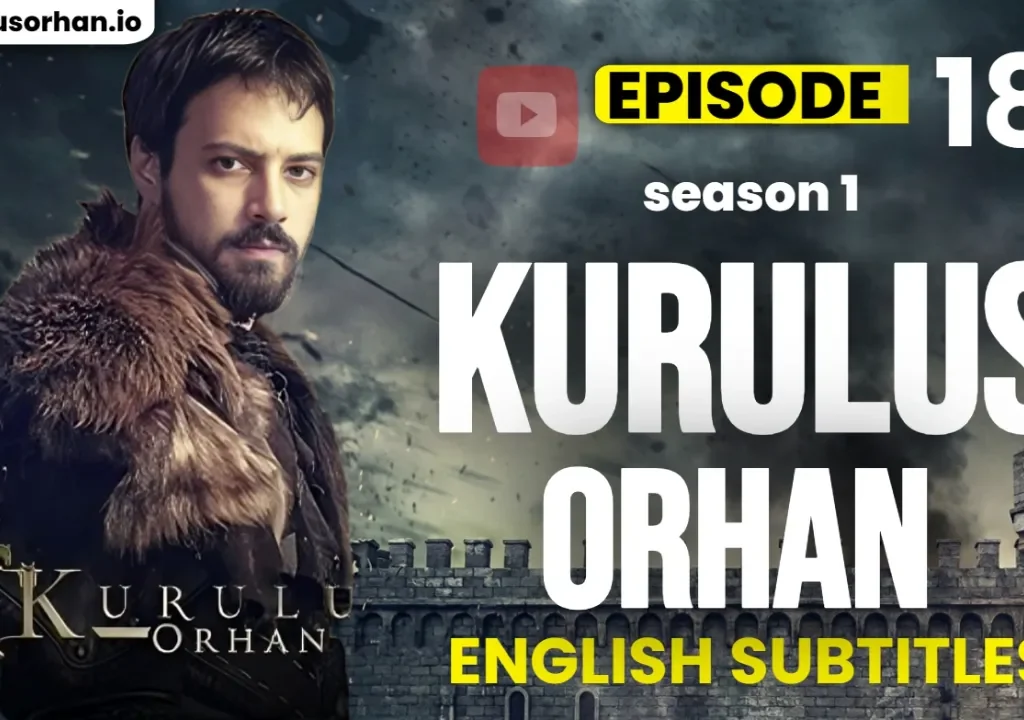
Kurulus Orhan Episode 18 English subtitles will continue the story after the dramatic rebellion led by Şahinşah Bey and the chaos inside Bursa. The episode is expected to explore the political aftermath, rising alliances, and the personal losses that reshape Orhan Bey’s next move. Watch Also: Mehmed Fetihler Sultanı Episode 72 English Subtitles Kurulus Orhan Episode 18: Quick Details Feature Details Series Name Kuruluş Orhan (Orhan Bey) Episode Number 18 Release Date 18 March 2026 Main Conflict Aftermath of Bursa Rebellion & Betrayal Key Characters Orhan Bey, Şahinşah Bey, Fatma Hatun Primary Theme Justice, Leadership, and New Alliances Language Turkish (Original) Subtitles English Official Platform Kurulusorhan.io Watch Next Episode: Kurulus Orhan Episode 19 (English Subtitles) Episode 18 Preview: The Empire Faces Its Deepest Internal Crisis The story of Kurulus Orhan has moved into one of its most intense chapters. What began as political tension has now erupted into open rebellion, betrayal, and bloodshed. The events leading into Kurulus Orhan Season 1 Episode 18 leave the entire Ottoman frontier shaken. Inside Bursa, alliances are collapsing. Trusted companions have become enemies, and the fight for power has reached the heart of the Osmanlı household itself. For Orhan Bey, the struggle is no longer just against external enemies such as Byzantine commanders or rival principalities. The danger now comes from within. This shift changes everything. Watch Previews Episode: Kurulus Orhan Episode 17 (English Subtitles) Source 1: Source 2: Download this Episode The Shock of Betrayal Inside the Ottoman Ranks One of the most dramatic developments in the recent story is the rebellion led by Şahinşah Bey, a figure once trusted by the family of Osman Bey. For decades, Şahinşah stood beside the founders of the state. Yet ambition and political frustration slowly pushed him toward a different path. His argument is simple but dangerous. He believes Orhan Bey’s leadership is reckless and driven by pride. According to him, the future of the Turkmen beyliks cannot survive if the Ottoman state continues confronting every rival power at once. Instead of loyalty, he chooses rebellion. This decision turns the internal political conflict into open war. By the time Kurulus Orhan Ep 18 begins, the consequences of this betrayal will be impossible to ignore. Bursa Becomes the Center of a Power Struggle The city of Bursa has always been more than a fortress in the series. Historically, it represented the growing strength of the Ottoman state during the early fourteenth century. In the story, whoever controls Bursa controls the future. The rebellion seeks exactly that. By taking the city and removing Orhan Bey, the conspirators believe they can reshape the political structure of the region. But they underestimate something crucial. The loyalty of the Ottoman Alps and the support of the people. In Orhan Bey Episode 18, the fight for Bursa will likely intensify as both sides attempt to secure the city before the balance of power collapses completely. Personal Loss Changes the Direction of the Story Beyond politics, the emotional weight of the story has grown heavier. The conflict has already brought deep personal tragedy. The fate of Flavius, a complex character caught between Byzantine heritage and a new spiritual path, marks a turning point. His final moments and his decision to embrace faith leave a lasting emotional impact on those around him. For Fatma Hatun, this moment changes everything. Her relationship with Flavius was already controversial within the Ottoman family. Now it becomes a source of grief, tension, and political suspicion. The emotional consequences of this event are expected to carry directly into Kurulus Orhan Episode 18. Orhan Bey’s Leadership Faces Its Greatest Test Throughout the series, Orhan Bey has been portrayed as a bold and strategic leader. However, the latest events challenge his authority like never before. His enemies claim that his aggressive campaigns risk destroying the fragile alliances among the Turkmen tribes. Meanwhile, loyal supporters believe his vision is necessary for building a strong state. The question for the next episode becomes clear. Can Orhan Bey restore unity after such a devastating betrayal? Or will the rebellion create divisions that cannot easily be repaired? A Wider War Is Slowly Emerging The internal rebellion is not the only threat. Beyond the borders of the Ottoman lands, several political players are watching closely. The ambitions of Byzantine commanders, regional warlords, and rival beyliks continue to shape the balance of power. One name that repeatedly appears in the conflict is Andreas, a Byzantine commander whose strategic moves have already caused serious damage. Meanwhile, secret alliances between different factions hint at a larger military confrontation that may soon erupt. Episode 18 may begin revealing these broader political games. The Fate of the Royal Family Another key storyline moving forward involves the safety of Orhan Bey’s family. The palace itself became a battlefield during the rebellion. Characters like Malhun Hatun, Nilüfer Hatun, and the younger members of the family faced direct danger as enemy forces attempted to seize control of the city. These events highlight a central theme of the series. Power struggles are never limited to the battlefield. They reach homes, families, and relationships. In the coming episode, the emotional and political consequences of these attacks will likely shape the decisions of several key characters. Episode 18 Will Focus on the Aftermath If the recent events represent the explosion of conflict, Episode 18 will likely explore the aftermath. Several critical questions remain unanswered. What will happen to Şahinşah Bey after his failed attempt to seize power? Will the rebel faction regroup and launch another attack? How will Orhan Bey rebuild trust among leaders who now fear betrayal from within? These questions suggest that the next episode will focus heavily on political strategy, rebuilding alliances, and preparing for the next major confrontation. Timeline of Recent Events The recent storyline has moved rapidly, with several turning points shaping the narrative. The conflict escalated when hidden political tensions between Orhan Bey and Şahinşah Bey turned into open rebellion. The conspirators attempted to seize control of Bursa, triggering violent