
Vefa Sultan Episode 46 English Subtitles

Vefa Sultan Episode 46 English Subtitles presents a powerful turning point as Vefa Sultan enters a higher spiritual rank while the community continues to heal after Ahmet’s death. The episode explores faith, patience, and the responsibilities of guiding believers through hardship. Vefa Sultan Episode 46 English Subtitles – The Rise of a Spiritual Leader The story of Vefa Sultan Episode 46 English Subtitles marks a major moment in the historical drama Vefa Sultan. After enduring personal grief and spiritual trials, Vefa Sultan reaches a new stage of spiritual authority that will shape the future of his lodge and followers. The series draws inspiration from the life of Ebül Vefa Mustafa Muslihuddin, a respected Sufi scholar who lived in 15th-century Constantinople during the early years of the Ottoman Empire. Known for his teachings on humility, knowledge, and compassion, Vefa Sultan became a guiding figure for many spiritual seekers. Episode 46 reflects that legacy. It explores how a leader must balance personal sorrow with the responsibility of guiding others. Watch Previews Episode: Vefa Sultan Episode 45 English Subtitles A Spiritual Ceremony in the Lodge The episode opens with a powerful spiritual gathering. Within the sacred atmosphere of the dervish lodge, respected spiritual masters recognize the transformation of Vefa Sultan. The ceremony symbolizes his arrival at a higher spiritual rank, often described in Sufi tradition as a moment when a disciple becomes a spiritual guide for others. Sacred garments, symbolic objects, and blessings represent the responsibility that now rests on his shoulders. This moment is not about status or power. Instead, it represents service. The path of a spiritual leader in Sufism demands humility, discipline, and dedication to guiding others toward truth. Leadership After Loss Despite this spiritual honor, Vefa Sultan still carries the pain of losing his son Ahmet. The tragedy remains fresh for the entire household. In Constantinople, his followers see a man who must continue guiding them even while dealing with his own grief. The emotional tension between leadership and personal sorrow becomes one of the most compelling elements of Vefa Sultan Episode 46. The series highlights a universal truth: great leaders are not free from suffering. They simply learn how to transform pain into wisdom. Changes in the Dervish Lodge After assuming his new spiritual responsibility, Vefa Sultan begins introducing thoughtful changes within the lodge. He emphasizes that spiritual devotion must be supported by strong knowledge and correct belief. He reminds his students that worship alone is not enough without sound understanding of faith. In other words, spiritual practice must be rooted in knowledge. This approach reflects authentic Ottoman Sufi tradition, where religious learning and spiritual discipline were closely connected. The lodge becomes not only a place of prayer but also a center of education. The Struggle of Those Left Behind While Vefa Sultan begins guiding others again, members of his household continue to struggle with grief. His wife still carries deep sorrow after the loss of Ahmet. Memories of her son appear in dreams and quiet moments, reminding viewers that emotional wounds do not disappear overnight. The episode portrays grief honestly. Healing does not happen instantly. It arrives slowly through patience, faith, and the support of loved ones. This human dimension gives the series its emotional depth. Life Beyond the Lodge Another storyline in Vefa Sultan Episode 46 English Subtitles shows events unfolding in the streets of Constantinople. Encounters in the busy markets reveal everyday challenges faced by merchants, travelers, and officials. These scenes remind viewers that spiritual teachings do not exist in isolation. The wisdom shared in the lodge must eventually guide people living in the real world. By connecting spiritual guidance with everyday struggles, the episode expands the scope of the narrative. Historical Context Behind the Story The character of Vefa Sultan is inspired by Ebül Vefa Mustafa Muslihuddin, who lived during the 15th century in Constantinople, shortly after the city became part of the Ottoman Empire. Historical records describe him as a respected Sufi master, scholar, and community leader. His lodge became known as a place where knowledge, spirituality, and charity came together. While the television drama adds fictional elements, it reflects the broader tradition of Ottoman Sufism, where spiritual teachers played important roles in social life. People Also Ask (FAQs) What happens in Vefa Sultan Episode 46? Vefa Sultan Episode 46 shows the spiritual elevation of Vefa Sultan and the beginning of a new chapter where he guides his followers while still coping with the loss of Ahmet. Why is Vefa Sultan Episode 46 important in the series? The episode marks a turning point as Vefa Sultan receives recognition as a spiritual leader and begins shaping the future of the dervish lodge. How does the family deal with Ahmet’s death? The family continues to struggle with grief, especially his mother, showing that healing takes time and patience. What message does Vefa Sultan Episode 46 highlight? The story emphasizes faith, knowledge, and perseverance, reminding viewers that spiritual growth often emerges from hardship.
Vefa Sultan Episode 45 English Subtitles

Vefa Sultan Episode 45 English Subtitles explores the spiritual struggle of Vefa Sultan after the loss of Ahmet. As grief shakes his faith, he faces inner trials and deception while learning that patience, surrender to Allah, and trust in divine wisdom remain the true path. Watch Previews Episode: Vefa Sultan Episode 44 English Subtitles Vefa Sultan Episode 45 English Subtitles – A Journey Through Grief and Faith The upcoming Vefa Sultan Episode 45 English Subtitles continues the deeply emotional storyline of the historical Turkish drama Vefa Sultan. Following the heartbreaking death of Ahmet, the new episode explores how grief transforms into a powerful spiritual test for Vefa Sultan and the dervish community. The series, inspired by the life of the Ottoman scholar Ebül Vefa Mustafa Muslihuddin, has consistently focused on themes of faith, humility, and inner purification. Episode 45 moves even deeper into those themes by portraying how a spiritual leader confronts personal sorrow without losing his devotion. For viewers, this episode promises one of the most intense psychological and spiritual moments of the season. A Father’s Grief After Ahmet’s Death The emotional weight of Ahmet’s passing continues to echo throughout the lodge. In Constantinople, the community that once gathered for guidance now watches their spiritual guide struggle with the deepest pain a parent can face. Despite the condolences from students and neighbors, Vefa Sultan remains overwhelmed by sorrow. His words reveal a truth shared by many parents: the loss of a child feels like losing a part of oneself. Yet even in pain, he reminds those around him that life and death are part of Allah’s divine decree. This balance between grief and faith becomes the emotional heart of Vefa Sultan Episode 45. A Dangerous Spiritual Trial In this episode, Vefa Sultan faces not only grief but also a powerful spiritual challenge. As he struggles with his pain, dark whispers begin to surround his thoughts, attempting to turn his sorrow into despair. These temptations aim to convince him to abandon the responsibilities he carries as a spiritual guide. The struggle represents a classic theme in Sufi teachings: the battle between patience and despair. However, Vefa Sultan realizes that the path of faith is never free from trials. Even the most devoted believers must confront moments where doubt and pain test their devotion. The Meaning of True Dervishhood During the episode, the dervish lodge becomes a place of reflection. The followers of Vefa Sultan worry about their teacher’s silence and isolation. Yet the story shows that spiritual leadership does not mean freedom from suffering. Instead, it means enduring hardship while remaining committed to truth. Through conversations and reflections, the episode highlights a key lesson: the path of a dervish is a lifelong journey of patience, humility, and surrender. For viewers, this moment adds emotional depth to the character of Vefa Sultan, showing that even great spiritual figures must fight their inner battles. A Vision That Changes Everything One of the most mysterious moments in Vefa Sultan Episode 45 occurs when Vefa Sultan experiences a powerful vision connected to his son. In this moment, he briefly encounters Ahmet, reminding him that death does not erase the bond between a parent and a child. The scene symbolizes hope and spiritual reassurance. However, the experience also reveals how easily grief can blur the line between truth and illusion. Only through wisdom and faith can one distinguish divine guidance from deception. This spiritual revelation becomes a turning point in the episode. The Strength of Patience The central message of Vefa Sultan Episode 45 English Subtitles revolves around sabr, the Islamic concept of patience. Through suffering, Vefa Sultan demonstrates that true faith does not deny pain. Instead, it transforms pain into trust in Allah’s wisdom. His journey reminds viewers that patience is not weakness. It is a form of spiritual strength that allows believers to endure life’s most difficult moments. By the end of the episode, the audience sees that grief has not destroyed Vefa Sultan’s faith. Instead, it has deepened it. Historical Context of the Story The television series Vefa Sultan is inspired by the historical figure Ebül Vefa Mustafa Muslihuddin, a renowned Sufi scholar who lived during the 15th century Ottoman Empire. Based in Constantinople, his lodge became a center for spiritual learning and charitable work. His teachings emphasized humility, service to others, and devotion to Allah. Although the show dramatizes certain events, it reflects the broader spiritual traditions of Ottoman Sufism, making the story both historical and meaningful for modern audiences. People Also Ask (FAQs) What happens in Vefa Sultan Episode 45? Vefa Sultan Episode 45 focuses on the spiritual struggles of Vefa Sultan after losing his son Ahmet, highlighting how faith and patience help him overcome grief and deception. Why is Vefa Sultan Episode 45 important in the story? The episode shows a major turning point where Vefa Sultan confronts inner doubts and reaffirms his commitment to the spiritual path. Does Vefa Sultan see Ahmet again? Yes, the episode includes a powerful vision where Vefa Sultan briefly encounters Ahmet, reminding him of the eternal connection between faith and hope. What is the main message of Episode 45? The story emphasizes patience, spiritual awareness, and trust in Allah, even during the most painful trials.
Vefa Sultan Episode 44 English Subtitles

Vefa Sultan Episode 44 English Subtitles continues the emotional aftermath of Ahmet’s death. As grief spreads across the lodge, Vefa Sultan teaches patience and faith, guiding the community through funeral rites while reminding them that every soul ultimately returns to Allah. Watch Previews Episode: Vefa Sultan Episode 43 English Subtitles Vefa Sultan Episode 44 English Subtitles – A Community Faces Loss The upcoming Vefa Sultan Episode 44 English Subtitles delivers one of the most emotional chapters in the Turkish spiritual drama Vefa Sultan. The series, inspired by the life of the Ottoman Sufi scholar Ebül Vefa Mustafa Muslihuddin, explores faith, compassion, and the trials of human life in 15th-century Constantinople. Following the heartbreaking events of the previous episode, the new chapter centers on the farewell to young Ahmet. The tragedy has shaken the lodge and its surrounding community, leaving every character confronting grief in their own way. Yet, as always in Vefa Sultan, the story is not only about sorrow. It is about how faith transforms sorrow into patience and understanding. A Child’s Question About Death One of the most touching moments in Vefa Sultan Episode 44 begins with a child trying to understand death. Young Ahmet struggles with the loss of a beloved bird. Through gentle words, the adults explain that the bird has not simply disappeared but has gone to another place—an endless forest filled with life and beauty. The conversation becomes a symbolic way of helping a child understand the concept of death. In the spiritual language of the series, death is not portrayed as an end but as a journey to another realm. This quiet moment prepares viewers for the larger farewell that soon follows. Preparing for Ahmet’s Funeral The tragedy surrounding Ahmet’s passing spreads throughout the lodge. Friends and neighbors arrive to offer condolences to the grieving family. In Ottoman tradition, funeral rites carry deep spiritual meaning. In Vefa Sultan Episode 44, the community prepares to wash the body and perform the funeral prayer according to Islamic custom. However, Vefa Sultan himself insists on personally preparing his son for burial. The decision reveals both his sorrow and his strength. For a father, this moment is almost unbearable. Yet Vefa Sultan stands firm, reminding everyone that patience in hardship is part of faith. A Lesson in Patience and Destiny Throughout the episode, Vefa Sultan speaks about the reality of life and death. He explains that every human being enters the world as a trust from Allah. Parents love their children deeply, but ultimately those children belong to their Creator. His words echo a well-known Islamic teaching: “To Allah we belong and to Him we return.” The series portrays this idea not as distant theology but as a lived experience. The characters must struggle through grief while holding onto their faith. For viewers, the message is clear. Loss is painful, but faith gives meaning to the pain. The Funeral Prayer The emotional center of Vefa Sultan Episode 44 is the funeral prayer for Ahmet. The entire community gathers in silence. Students, neighbors, and fellow dervishes stand shoulder to shoulder as the prayer begins. The scene reflects the unity of the lodge. Every person present shares the same sorrow, yet they also share the same hope—that the innocent child will find peace in the gardens of paradise. The prayer marks a turning point in the episode, transforming grief into collective remembrance and spiritual reflection. Life Continues Beyond Grief Although the farewell to Ahmet dominates the story, Vefa Sultan Episode 44 also hints at events beyond the tragedy. Travelers continue to pass through Constantinople, carrying news and stories from distant regions such as Kayseri. These smaller scenes remind viewers that the world continues to move even when personal grief feels overwhelming. The series often uses such contrasts to show the balance between individual suffering and the wider flow of history. Historical Context of the Series The drama Vefa Sultan draws inspiration from the real historical figure Ebül Vefa Mustafa Muslihuddin, a respected scholar and Sufi master who lived in 15th-century Constantinople during the early Ottoman Empire. Known for his spiritual teachings and charitable work, Vefa Sultan influenced many students and communities. His lodge became a center of learning and compassion, shaping the spiritual life of the city. The television series blends historical background with fictional storytelling, allowing viewers to explore the moral lessons associated with his legacy. Timeline – Key Events Leading to Episode 44 Episode 41The lodge faces internal struggles as characters confront personal mistakes. Episode 42Hope returns when relationships begin to heal and trust slowly rebuilds. Episode 43A sudden tragedy strikes with the death of Ahmet, shocking the entire community. Episode 44The story focuses on mourning, funeral rites, and the spiritual lessons taught by Vefa Sultan. People Also Ask (FAQs) What happens in Vefa Sultan Episode 44? Vefa Sultan Episode 44 focuses on the funeral of Ahmet and the emotional response of the community as they cope with grief while reflecting on faith and destiny. Why is Vefa Sultan Episode 44 so emotional? The episode shows the burial of Ahmet, one of the most heartbreaking moments in the series, highlighting the strength and patience of Vefa Sultan. Does Vefa Sultan perform the funeral rituals himself? Yes. Vefa Sultan personally takes responsibility for preparing his son’s body for burial, demonstrating both spiritual strength and paternal love. What is the main message of Episode 44? The episode teaches that loss is part of life and that patience, prayer, and faith help believers endure even the deepest sorrow.
Mehmed Fetihler Sultanı Episode 72 English Subtitles

Mehmed Fetihler Sultanı Episode 72 promises high-stakes drama as Sultan Mehmed II counters betrayals from Vlad Dracula, who kills a key Ottoman figure, while Sehzade Bayezid manipulates King Matthias into executing an advisor. Expect fierce clashes in the Balkans, testing Ottoman resolve. Watch Also: Source 2: Download This Episode What to Expect in Episode 72: Building Tension from Recent Twists Mehmed Fetihler Sultanı, the gripping Turkish series on TRT1, builds on the chaos of prior events. Episode 71 left fans reeling with Sultan Mehmed‘s secret plans exposed in Sofia, where he rallied his council against a shifting alliance of European foes. Now, Episode 72 dives deeper into the fallout, previewing brutal executions and strategic gambits that could reshape the Ottoman campaign. Viewers anticipate Mehmed adapting to losses, like the wounding of Ishak Pasha during the assault on Drina Castle. The episode teases his recovery and return to the fray, showcasing Ottoman resilience. Meanwhile, Vlad Dracula emerges as a relentless antagonist, capturing and executing Hüseyin Agha in a chilling display of defiance. This act not only fuels vengeance but highlights Vlad‘s infamous cruelty, setting up a personal showdown with Mehmed. On the political front, Sehzade Bayezid‘s mission to Hungary pays off. By whispering doubts about loyalties, he prompts King Matthias Corvinus to behead a trusted aide, fracturing enemy unity. This clever ploy underscores themes of intrigue, where words prove deadlier than swords. The series masterfully blends these elements, promising edge-of-seat moments as alliances crumble. Action fans will thrill at previews of foggy ambushes and sword fights in the Balkans. Mehmed‘s forces, including janissaries, clash with Hungarian troops, emphasizing loyalty amid betrayal. The narrative stays rooted in 15th-century warfare, with authentic costumes and sound design amplifying the immersion. Historical Backdrop: Mehmed II’s Balkan Ambitions Understanding Mehmed Fetihler Sultanı Episode 72 requires context from Mehmed II‘s real campaigns. Born in 1432, Mehmed seized the throne in 1451 after his father Murad II‘s death. His 1453 conquest of Constantinople marked him as Fatih, but Balkan expansions in the 1460s tested his genius. The episode draws from Mehmed‘s 1462 invasion of Wallachia, targeting Vlad III Dracula. Vlad, ruling intermittently from 1456, rebelled viciously, impaling foes to deter invaders. Mehmed deposed him briefly, but Vlad‘s guerrilla tactics prolonged the fight. Similarly, King Matthias of Hungary (1458-1490) opposed Ottoman advances, allying with Bosnia and the Papacy. A fresh angle: The show explores family strains, like Bayezid‘s growing ambition, foreshadowing his 1481 rebellion against Mehmed. Historians like Kemalpaşazade note Mehmed‘s multilingual skills aiding diplomacy, a trait Episode 72 might highlight in negotiations. Expert views from scholars such as Franz Babinger emphasize Mehmed‘s innovative use of artillery, previewing potential siege tactics. This preview angle fills gaps in competitors’ coverage, focusing on psychological warfare. While others recap battles, here we delve into how betrayals mirror real court purges, like Mehmed executing Candarli Halil Pasha in 1453 to centralize power. Key Character Arcs to Watch in the Upcoming Episode Sultan Mehmed, portrayed by Serkan Çayoğlu, stands as a pillar of strategy. Previews show him reflecting on unity after losses, vowing to turn doubt into fire against enemies. His line about being the mountain itself hints at unbreakable resolve. Vlad Dracula intensifies as the villain. His martyrdom of Hüseyin Agha isn’t mere violence—it’s a declaration, drawing from his historical reputation as the Impaler. Expect flashbacks revealing past ties, adding depth to his hatred. Sehzade Bayezid shines in manipulation. His court whispers to Matthias expose vulnerabilities, blending youth with cunning. Actress Devrim Özkan as Gülşah Hatun provides emotional anchor, supporting Mehmed through turmoil. Supporting roles like Ishak Pasha and Abdurrahman Bey add grit. Their recovery from Drina wounds previews themes of sacrifice, echoing Ottoman ideals of devotion. Episode Highlights: Teased Scenes and Potential Cliffhangers Trailers tease an ambush in misty forests, where Ottoman scouts trap foes with arrows and fire. Vlad‘s execution scene drips with tension, his cold stare promising more blood. Another highlight: Bayezid‘s tense audience with Matthias, culminating in a beheading that shifts power. This could end with Mehmed rallying for a counterattack, leaving viewers hooked on family rifts. Production teases elevated stakes with detailed sets in Sofia and Bosnia. Music swells during charges, building anticipation for larger sieges. Timeline of Mehmed II’s Pivotal Moments For authority, here’s a focused timeline linking to Episode 72’s preview: This ties previews to history, showing compressed drama for impact. Release Details: When and Where to Watch Mehmed Fetihler Sultanı Episode 72 airs on TRT1 on March 17, 2026, at 8 PM Turkish time. International fans can stream shortly after. For accurate English subtitles, head to Kurulusorhan.io, offering HD quality and timely uploads. Drama Meets Historical Depth Mehmed Fetihler Sultanı Episode 72 previews balance spectacle with nuance. Unlike shallower retellings, it probes Mehmed‘s internal conflicts—doubting allies yet forging ahead. Semantic elements like Ottoman conquests, Balkan rivalries, and Islamic unity weave naturally, enhancing relevance. A unique take: Women’s influence, with Gülşah advising amid chaos, echoing valide sultans’ roles. This adds modern resonance to a historical tale. NLP ties include Fatih Sultan Mehmet, Vlad the Impaler, and Corvinus conflicts, boosting search depth. People Also Ask: FAQs on Episode 72 What major betrayal happens in Mehmed Fetihler Sultanı Episode 72? Vlad Dracula executes Hüseyin Agha, escalating tensions and pushing Sultan Mehmed toward direct confrontation. How does Sehzade Bayezid impact the plot? He sows doubt in King Matthias‘ court, leading to an execution that weakens Hungarian forces. When does Mehmed Fetihler Sultanı Episode 72 release? It premieres on March 17, 2026, on TRT1, with English subtitles available soon after on sites like Kurulusorhan.io. Is the episode based on true history? Yes, it previews events from Mehmed II‘s 1462 Wallachia campaign, dramatized with added family and political intrigue.
Vefa Sultan Episode 43 English Subtitles

Vefa Sultan Episode 43 English Subtitles presents one of the most emotional moments in the series as Vefa Sultan and his family face a heartbreaking loss. Through patience, faith, and spiritual wisdom, the episode explores how believers confront grief while trusting the divine plan. Watch Previews Episode: Vefa Sultan Episode 42 English Subtitles Vefa Sultan Episode 43 English Subtitles – A Test of Faith and Patience The spiritual depth of Vefa Sultan Episode 43 English Subtitles takes the story into one of its most emotional chapters. The Turkish historical drama Vefa Sultan continues to explore themes of faith, humility, and human struggle, inspired by the life of the Ottoman Sufi scholar Ebül Vefa Mustafa Muslihuddin, known widely as Vefa Sultan. In this episode, the peaceful atmosphere of the lodge is shaken by a tragic event that tests the patience and belief of everyone around Vefa Sultan. The storyline moves beyond ordinary drama and enters a deeply spiritual reflection on loss, destiny, and divine wisdom. A Sudden Tragedy Changes Everything At the heart of Vefa Sultan Episode 43 lies a heartbreaking moment that affects the entire community. The young Ahmet, beloved by his family and friends, passes away unexpectedly. The news spreads quickly through the neighborhood. What once echoed with laughter now falls silent with grief. Friends, neighbors, and students gather around the grieving family, struggling to accept the sudden loss. For Vefa Sultan, the moment is not only a father’s sorrow but also a spiritual test. The episode carefully portrays the Islamic understanding that every soul belongs to Allah and returns to Him when the appointed time arrives. Despite the overwhelming pain, Vefa Sultan reminds those around him that patience during hardship is a mark of true faith. Vefa Sultan’s Lesson on Patience One of the most powerful scenes of the episode unfolds when Vefa Sultan speaks about destiny and divine wisdom. He explains that human beings often wish for certain outcomes, yet the Creator gives what is truly necessary rather than what is simply desired. This spiritual perspective becomes the central message of the episode. According to Vefa Sultan, life itself is an examination. The presence of loved ones is a blessing, but their absence can also become a test of the heart. His words calm the community, reminding them that grief must be faced with patience and trust in Allah’s mercy. The Community Stands Together In Vefa Sultan Episode 43, the response of the community highlights the strong bonds that connect the lodge. Students and neighbors come together to support the grieving family. Among them are familiar faces such as Celalettin, Terzi İdris, and other companions who understand the weight of the moment. The episode shows how collective compassion becomes a source of strength. Instead of allowing sorrow to divide them, the characters unite in prayer, remembrance, and mutual support. This portrayal reflects the spirit of traditional Ottoman Sufi communities, where shared hardship strengthened spiritual brotherhood. Zülfikar’s Difficult Journey Continues Another storyline continues through Zülfikar, whose path of repentance remains complicated. Still carrying the burden of his past mistakes, Zülfikar finds himself facing new challenges as he attempts to reconnect with those he wronged. His presence creates tension, particularly with Hüseyin, who struggles to fully trust him. The episode shows that forgiveness cannot be forced; it must grow through sincere change. The interaction between these characters adds emotional complexity to the story, reminding viewers that redemption is rarely easy. A Stranger Prepares to Leave Constantinople While grief spreads through the lodge, another character quietly prepares to leave Constantinople. After arriving in the city with hopes and expectations, the traveler now decides to return to Kayseri, believing his purpose in the capital has ended. Yet the narrative hints that destiny may lead him back to Vefa Sultan one day. In the spiritual world portrayed by the series, every journey carries hidden meaning. A Message About Life and Death The emotional center of Vefa Sultan Episode 43 English Subtitles lies in its reflection on mortality. Through the teachings of Vefa Sultan, viewers are reminded that life is temporary. Every living being—human or animal—must eventually return to its Creator. But the series also offers comfort. The loss of an innocent child is portrayed not as an end, but as a transition toward eternal peace. The episode concludes with a powerful reminder: patience in sorrow brings hope of reunion in the hereafter. Timeline – Story Progression Before Vefa Sultan Episode 43 Episode 40The theme of repentance grows as Zülfikar begins seeking forgiveness. Episode 41Community tensions soften while characters confront their past mistakes. Episode 42Moments of hope appear as relationships begin to heal. Episode 43A tragic loss tests the faith and patience of Vefa Sultan and his followers. People Also Ask (FAQs) What happens in Vefa Sultan Episode 43? Vefa Sultan Episode 43 focuses on a tragic loss within Vefa Sultan’s family. The episode explores grief, patience, and faith as the community comes together to support one another. Why is Vefa Sultan Episode 43 considered emotional? The episode portrays the passing of Ahmet, which deeply affects Vefa Sultan and the entire lodge, highlighting the spiritual response to loss. Does Zülfikar appear in Episode 43? Yes. Zülfikar continues his journey of repentance, facing tension and distrust while trying to prove that his change is sincere. What lesson does Vefa Sultan teach in Episode 43? He teaches that true believers remain patient during hardship, trusting that Allah’s wisdom is greater than human understanding.
Vefa Sultan Episode 42 English Subtitles

Vefa Sultan Episode 42 English Subtitles centers on the long-awaited union of Ali and Elif, while deeper spiritual lessons unfold through Vefa Sultan’s guidance. Themes of forgiveness, responsibility, and sincere love shape the episode, showing how faith transforms hardship into lasting harmony. Watch Previews Episode: Vefa Sultan Episode 41English Subtitles Vefa Sultan Episode 42 English Subtitles – Preview of a Spiritual Turning Point The Turkish historical drama Vefa Sultan continues to explore the moral and spiritual journey of its characters in Episode 42. Inspired by the life and teachings of the renowned Ottoman Sufi scholar Ebül Vefa Mustafa Muslihuddin, widely known as Vefa Sultan, the series blends faith, culture, and human emotions into compelling storytelling. In this episode, the narrative moves toward hope and reconciliation. Long-standing conflicts begin to heal, and the community gathers to witness a moment many characters have waited for. Ali and Elif’s Journey Reaches Its Defining Moment The central storyline of Vefa Sultan Episode 42 revolves around Ali and Elif, whose love has faced repeated trials. Financial demands, family concerns, and social expectations once stood in their way. However, the wisdom of Vefa Sultan and the support of the community gradually change the course of events. After recognizing his earlier mistake, Süleyman Efendi finally accepts the union. The decision brings relief not only to the young couple but also to those who witnessed their struggle. As preparations begin, the episode reflects a deeply rooted Islamic principle: marriage should be simple and sincere rather than burdened by wealth or pride. The ceremony is planned in the spirit of the Sunnah of Prophet Muhammad (peace be upon him), emphasizing modesty, unity, and gratitude. Vefa Sultan’s Guidance on Marriage and Responsibility A defining moment of the episode arrives when Vefa Sultan explains the true meaning of marriage. He reminds his followers that love alone cannot sustain a household. Marriage also requires patience, respect, and shared responsibility. According to his teaching, the bond between husband and wife should mirror the balance between affection and duty. A home thrives when both partners protect each other’s dignity and emotional well-being. These lessons reflect classical Sufi ethics, where love is not merely an emotion but a commitment rooted in spiritual awareness. The message resonates strongly with Ali, who realizes that building a family is not only a joy but also a sacred responsibility. Zülfikar’s Redemption Continues Another powerful storyline in Vefa Sultan Episode 42 follows Zülfikar, whose journey of repentance remains one of the series’ most emotional arcs. Burdened by the harm he caused in the past, Zülfikar continues to seek forgiveness from those he wronged. His path is not easy. When he finally confronts Hüseyin, the encounter is filled with tension and honesty. Although Hüseyin admits he cannot fully forgive yet, he chooses not to return hatred with hatred. The exchange highlights a fundamental Sufi principle: even when forgiveness feels impossible, kindness must still guide one’s actions. This moment shows how the series portrays repentance as a lifelong process rather than a single act. Selman Learns the Meaning of Understanding Meanwhile, Selman undergoes a quiet transformation. Earlier episodes portrayed him struggling with impatience and misunderstanding within his household. Now he begins to grasp the deeper meaning of empathy. Through guidance from Vefa Sultan, he recognizes that responsibility in marriage is not only financial but also emotional. Understanding another person’s burdens—especially within family life—is portrayed as a cornerstone of harmony. Community Celebration and the Spirit of Unity As Ali and Elif prepare for their wedding, the atmosphere of the lodge changes. Joy replaces tension. Neighbors gather, friends contribute, and the entire community becomes part of the celebration. The event symbolizes more than a marriage. It represents unity, forgiveness, and the belief that shared happiness strengthens the bonds between people. This theme has long been central to the philosophy of Vefa Sultan, who believed that faith should bring people closer rather than divide them. People Also Ask (FAQs) Where can I watch Vefa Sultan Episode 42 English Subtitles? You can watch Vefa Sultan Episode 42 English Subtitles on platforms that provide Turkish historical series with English translations for international viewers. What is the main theme of Vefa Sultan Episode 42? The episode focuses on marriage, forgiveness, and spiritual growth, highlighting how sincere love and responsibility can overcome social obstacles. Do Ali and Elif finally marry in Vefa Sultan Episode 42? Yes, the episode moves toward their long-awaited union, supported by Vefa Sultan and the wider community. What lesson does Zülfikar learn in Episode 42? He learns that repentance requires patience and humility, and that forgiveness cannot always be demanded—it must be earned through sincere effort.
Vefa Sultan Episode 41 English Subtitles

Vefa Sultan Episode 41 English Subtitles continues the spiritual drama as Zülfikar seeks forgiveness, Selman confronts his responsibilities, and Vefa Sultan teaches compassion and unity. The episode highlights repentance, the importance of marriage in Islam, and the power of community support. Watch Previews Episode: Vefa Sultan Episode 40 English Subtitles Vefa Sultan Episode 41 English Subtitles – A Preview of Faith and Transformation The Turkish historical drama Vefa Sultan continues to explore spiritual struggles and moral lessons in Episode 41. Known for blending history, faith, and human emotion, the series focuses on the teachings and influence of Vefa Sultan, inspired by the real historical Sufi scholar Ebül Vefa Mustafa Muslihuddin of Constantinople (Istanbul). In this upcoming episode, several intertwined stories deepen the message of the series: repentance, responsibility, and the importance of compassion within a community. Zülfikar’s Path of Redemption Continues One of the most compelling arcs in Vefa Sultan Episode 41 follows Zülfikar, a man burdened by past mistakes. Earlier episodes showed his decision to seek forgiveness from those he harmed. Now his journey becomes more demanding. Instead of receiving immediate forgiveness, Zülfikar learns that true repentance requires patience and humility. Each person he wronged demands something different from him. In one moment, he is asked to work and serve before earning forgiveness. This approach reflects a core teaching of Vefa Sultan: repentance is not just words. It is effort, sincerity, and accountability. The symbolic traveler’s satchel he carries represents the spiritual journey of reconciliation. Each act of forgiveness adds another step toward purification. Selman’s Lesson: Understanding Responsibility Another emotional storyline centers on Selman, whose family life begins to crack under pressure. A series of misunderstandings and frustrations with his wife reveal deeper issues about responsibility and empathy. Through guidance from Vefa Sultan, Selman learns a powerful lesson. Carrying only a few stones quickly becomes heavy, reminding him that even small burdens affect behavior. The message is clear: if a few stones can change a man’s mood, imagine the emotional and physical weight carried by a pregnant woman. This simple demonstration highlights the series’ ability to turn everyday moments into profound spiritual lessons. Love Tested: The Marriage of Elif and Zembilli The emotional tension surrounding Elif and Zembilli also continues in Episode 41. Their desire to marry faces a serious obstacle when Süleyman Efendi demands a large mahr (dowry) of one hundred gold coins. The demand reflects a historical reality of the Ottoman social structure, where financial expectations could delay or prevent marriages. However, Vefa Sultan challenges this practice through a powerful sermon. He reminds the community of the teachings of Prophet Muhammad (peace be upon him): the best marriage is the one that is easiest and least burdensome. Moved by this message, the community begins to contribute money to help the couple marry. This scene reflects the series’ recurring theme: faith is not only personal devotion but also collective responsibility. A Spiritual Teaching About Forgiveness A central theme in Vefa Sultan Episode 41 is forgiveness—not only from others but also from oneself. Characters in the episode struggle with guilt, anger, and disappointment. Yet the teachings of Vefa Sultan emphasize a hopeful principle. Even when people believe their hearts have become dry or broken, sincere repentance can revive them, just as rain revives a barren field. This metaphor reinforces a timeless spiritual idea: no heart is beyond renewal. The Deeper Message of Community Support Beyond individual struggles, the episode highlights the importance of community solidarity. When one member of society faces difficulty, others are encouraged to help. The gathering of donations for Zembilli and Elif demonstrates this idea vividly. Instead of leaving the couple alone to face their financial challenges, the community steps forward together. In the world of Vefa Sultan, faith is lived through action. People Also Ask (FAQs) Where can I watch Vefa Sultan Episode 41 English Subtitles? You can watch Vefa Sultan Episode 41 English Subtitles on platforms that provide Turkish historical series with translated subtitles for international viewers. What is the main message of Vefa Sultan Episode 41? The episode emphasizes repentance, compassion, and the importance of supporting others, especially when they face emotional or financial hardship. Why is the marriage of Elif and Zembilli important? Their story highlights social challenges in historical communities and shows how faith encourages people to make marriage easier rather than difficult. What lesson does Selman learn in Vefa Sultan Episode 41? Selman learns empathy and responsibility, realizing that understanding others’ burdens is essential for maintaining harmony within family life.
Vefa Sultan Episode 40 English Subtitles

Vefa Sultan Episode 40 English Subtitles continues the spiritual journey of seekers around Vefa Sultan, highlighting repentance, humility, and compassion. The episode focuses on Zülfikar’s transformation, deeper teachings of the dervish path, and the moral struggle between ego and sincere faith. Vefa Sultan Episode 40 English Subtitles – Preview and Story Insights The spiritual drama Vefa Sultan has steadily gained attention among viewers who appreciate historical storytelling combined with deep moral lessons. Vefa Sultan Episode 40 promises another powerful chapter, expanding the journey of repentance, spiritual awakening, and the transformative guidance of Vefa Sultan. As the narrative unfolds, the characters continue to face trials that test their sincerity, patience, and loyalty to the path of faith. A Lesson in Kindness and Compassion One of the key moments in Vefa Sultan Episode 40 reflects the series’ recurring theme: responding to harm with kindness. A simple yet profound conversation shows how even a small act of generosity can have lasting meaning. The analogy of a water well that continues to give water even when stones are thrown into it becomes a powerful symbol. It represents the philosophy that goodness should not stop because of others’ mistakes. Through such teachings, Vefa Sultan reminds his followers that the true believer does not abandon kindness, even in the face of cruelty. The Journey of Zülfikar: From Darkness to Repentance A central storyline in Vefa Sultan Episode 40 revolves around Zülfikar, a troubled man who begins to confront the consequences of his past actions. Once feared and rejected by many, Zülfikar arrives at the spiritual lodge seeking forgiveness and transformation. His journey highlights an important principle emphasized by Vefa Sultan: However, forgiveness in the spiritual path is not automatic. Zülfikar is instructed to seek forgiveness from those he harmed, a challenging mission that will test his humility and determination. This storyline adds emotional depth to the episode and shows how personal transformation is often the hardest battle. The Meaning of the Dervish Cloak Another significant scene centers around the dervish cloak, a symbolic garment within the Sufi tradition. At first glance, it may appear to be an ordinary piece of clothing. Yet in the teachings of Vefa Sultan, it represents something far deeper. What the Cloak Represents The message is clear: wearing the cloak is not about honor or status. It is about accepting responsibility for the pain and struggles of others in the name of faith. Hospitality as a Spiritual Duty Hospitality becomes another major theme in Vefa Sultan Episode 40. The dervish lodge welcomes travelers, the poor, and those seeking refuge. Vefa Sultan emphasizes that generosity does not decrease blessings; rather, it multiplies them. According to the teachings presented in the episode: These scenes highlight the social ethics of the spiritual path portrayed in the series. Healing the Body and the Soul A fascinating subplot explores early medical practices in the Islamic world. A healer explains how music, pleasant scents, and calm surroundings can help treat mental illness. This reflects historical approaches used in medieval Islamic hospitals, where physicians believed emotional harmony was essential for healing. The episode contrasts this compassionate approach with harsh treatments used elsewhere during the same era, highlighting the advanced humanitarian perspective found in the teachings surrounding Vefa Sultan. The Inner Battle: Conquering the Ego The ultimate challenge in Vefa Sultan Episode 40 is not physical conflict but the battle against the ego. The characters repeatedly confront the same question: Can a person truly change? The answer offered by Vefa Sultan is hopeful yet demanding. Anyone can fall into error, but redemption requires continuous effort. Repentance is not a single moment—it is a lifelong struggle against pride, anger, and selfishness. Timeline – Key Events Leading to Episode 40 Episode 35–36The spiritual lodge begins guiding new seekers struggling with personal hardships. Episode 37–38Disciples learn deeper lessons about patience, humility, and service. Episode 39Opposition against Vefa Sultan increases as enemies grow frustrated. Episode 40The focus shifts to Zülfikar’s repentance, spiritual symbolism of the dervish cloak, and the deeper meaning of mercy. People Also Ask (FAQs) Where can I watch Vefa Sultan Episode 40 English Subtitles? You can watch Vefa Sultan Episode 40 English Subtitles on Kurulusorhan.io that provide translated Turkish historical series for international viewers. What is the main message of Episode 40? The episode emphasizes repentance, humility, and the belief that even deeply flawed individuals can find redemption through sincere faith. Why is Zülfikar important in Episode 40? Zülfikar’s journey represents the possibility of spiritual transformation, showing how repentance can lead a person back to the path of righteousness. What does the dervish cloak symbolize? In the teachings of Vefa Sultan, the cloak symbolizes service, humility, and dedication to carrying the spiritual burdens of others.
Vefa Sultan Episode 39 English Subtitles

Vefa Sultan Episode 39 English Subtitles continues the spiritual journey of Vefa Sultan and the dervishes as new trials emerge. The episode explores patience, inner purification, and difficult choices that test love, loyalty, and faith in a world filled with both spiritual wisdom and hidden danger. Explore top Turkish historical series like Vefa Sultan and Kuruluş Orhan for similar dramas. Watch Previews Episode: Vefa Sultan Episode 38 English Subtitles A Deeper Spiritual Journey in Vefa Sultan Episode 39 The historical drama Vefa Sultan has steadily built a reputation for blending powerful storytelling with spiritual philosophy. In Vefa Sultan Episode 39 the narrative moves deeper into themes of purification, destiny, and the hidden struggles within the human heart. The episode opens with a symbolic lesson: fire itself does not burn; it only acts by the will of Allah. This profound idea sets the tone for the entire story. Just as fire cleans impurities that water cannot remove, spiritual trials cleanse the deeper stains within the soul. Through this metaphor, the series highlights a central message: true transformation often comes through hardship. The Trials That Shape the Believer Life as a Test One of the strongest themes in Vefa Sultan Episode 39 is the concept that life is a constant test for every believer. The narrative emphasizes that each person is tried in different ways. Some are tested through love.Others through loss.Some through what they gain, and others through what they cannot attain. The wisdom shared in the episode reflects classical Sufi philosophy, reminding viewers that patience and trust in divine wisdom ultimately lead to spiritual growth. Just as a jewel is shaped by fire and a tree bends in the wind, human character is refined through adversity. Hüseyin’s Difficult Path Toward Inner Transformation One of the most compelling developments in Vefa Sultan Episode 39 revolves around Hüseyin, who faces a major step in his spiritual journey. He is sent to enter the Çilehane, a place of isolation used in Sufi tradition for deep reflection and discipline. This period of solitude is not simply physical withdrawal. It is meant to confront the ego and strengthen the heart. Inside the Çilehane, the seeker must focus on remembrance of Allah, repeating the sacred phrase “La ilahe illallah.” The experience symbolizes spiritual rebirth.Before one can truly live with wisdom, one must first conquer the self. For Hüseyin, this marks a turning point that could define his future in the path of the dervishes. Ali and the Struggle of the Heart Another emotional storyline centers on Ali, whose heart is caught between love and destiny. The episode explores the tension between personal desire and family expectations. In traditional societies portrayed in the series, marriage decisions often involve family honor and approval. The character struggles with a painful truth: the heart may already belong to someone, yet circumstances do not always allow that love to flourish. This storyline adds a deeply human layer to the episode. While spiritual lessons dominate the narrative, personal emotions and relationships remind viewers that every path toward truth passes through the heart. Growing Conflict Around Vefa While spiritual development unfolds among the dervishes, darker tensions continue to grow outside their circle. Certain characters remain determined to undermine Vefa, whose influence and reputation threaten their interests. Failed schemes and rising frustrations push these rivals toward more desperate actions. This brewing conflict suggests that Vefa Sultan Episode 39 may serve as a buildup to even greater confrontations in upcoming chapters of the series. As the spiritual world strengthens its resolve, the forces opposing it grow more aggressive. Family, Compassion, and Everyday Wisdom Amid the heavier themes of the episode, the series continues to include moments of warmth and humanity. Scenes involving children and families offer gentle moral lessons about generosity, respect, and kindness. A simple act of sharing food becomes a reflection of deeper values taught by parents. Another memorable moment explores a famous saying in Islamic tradition: “Paradise lies beneath the feet of mothers.” Through a child’s innocent question, the story explains that a mother’s love and approval are like a key that opens the doors to paradise. These scenes balance the intense spiritual struggles with reminders of everyday goodness. Why Episode 39 Is a Turning Point Vefa Sultan Episode 39 stands out because it strengthens the central themes of the entire series. The episode highlights three essential lessons: Spiritual growth requires patience.True love must endure trials.Faith becomes stronger through hardship. The path of the dervishes is not easy. It demands humility, discipline, and sacrifice. Yet the story suggests that those who persevere will eventually find clarity and peace. For viewers following the journey of Vefa Sultan, this episode prepares the stage for major transformations in the lives of several key characters. People Also Ask (FAQs) Where can I watch Vefa Sultan Episode 39 English Subtitles? You can watch Vefa Sultan Episode 39 English Subtitles on Kurulusorhan.io, which provides reliable translations for international viewers of Turkish historical dramas. What is the main theme of Vefa Sultan Episode 39? The episode focuses on spiritual purification, patience during hardship, and the struggle to overcome the ego through faith and devotion. Why is Hüseyin sent to the Çilehane? Hüseyin enters the Çilehane to discipline his ego and strengthen his spiritual connection through solitude, reflection, and constant remembrance of Allah. Does the conflict around Vefa increase in Episode 39? Yes. Opponents of Vefa become increasingly frustrated after repeated failures, suggesting that future episodes may bring more direct confrontations.
Kurulus Orhan Episode 17 (English Subtitles)
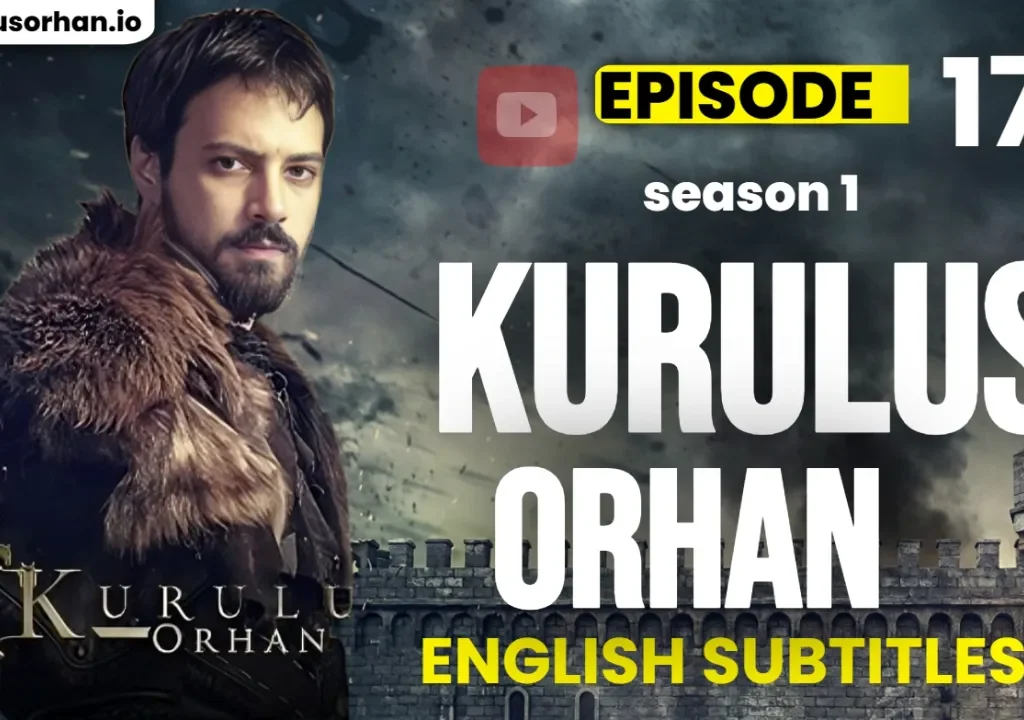
Kurulus Orhan Episode 17, political intrigues escalate as Sultan Orhan confronts betrayals, Asporça‘s schemes threaten Nilüfer Hatun, and unexpected alliances shift the balance of power. Tensions mount with high-stakes traps and strategic maneuvers. When & Where to Watch: Watch Also: Source 2: Source 3: DOWNLOAD THIS EPISODE Preview of Kurulus Orhan Ep 17 Kurulus Orhan continues to deliver tension-filled drama in Episode 17. Following the shocking revelations from the previous episodes, viewers are set for an intense narrative that intertwines loyalty, betrayal, and the strategic mind of Sultan Orhan. As alliances and enmities crystallize, the episode emphasizes the tactical and emotional complexities of Osmanoğulları leadership. Orhan Bey Faces Treachery The episode opens with Orhan Bey navigating the treacherous waters of political plots orchestrated by Prenses Asporça. Her ambition to manipulate both internal and external powers becomes increasingly evident as she attempts to ensnare Orhan and his allies. Meanwhile, Flavius, initially seen as a potential adversary, showcases unexpected loyalty that significantly impacts Orhan’s strategy, highlighting the fluid nature of allegiance in the volatile political landscape of the time. Nilüfer Hatun in Peril Nilüfer Hatun faces direct threats as Asporça targets her to destabilize the Osmanoğulları. The preview shows Nilüfer’s resilience and Orhan’s protective leadership as he prioritizes her safety over immediate tactical gains. This episode amplifies the emotional stakes, with Nilüfer’s survival becoming a linchpin in the unfolding power struggle. Shocking Betrayals and Hidden Secrets Dafne’s treachery and Flavius’s realignment introduce significant plot twists. The narrative explores how hidden motivations shape battlefront strategies, revealing the depth of espionage and intelligence work in medieval Anatolia. Orhan’s awareness of these betrayals allows him to manipulate events, creating suspense for viewers anticipating the next strategic maneuver. Tactical Maneuvers and Strategic Conflicts Kurulus Orhan Episode 17 presents multiple layers of conflict. From Demirhan Bey’s scheming to the planned traps set around Bursa and İznik, the episode underscores the importance of foresight and coordination in military campaigns. Key characters like Yiğit Bey, Temürboğa, and Boran Bey are shown mobilizing forces to counteract enemy plots, emphasizing both individual valor and collective strategy. Emerging Alliances and Emotional Reconciliations Amid the chaos, emotional bonds and reconciliations take center stage. Orhan’s trust in Flavius, and the restoration of family ties involving characters like Gonca and Alaeddin Bey, bring a human element to the political narrative. These moments balance the high-stakes action, ensuring the story remains grounded in personal relationships and loyalty. Kurulus Orhan Season 1 Episode 17 Key Highlights Timeline of Recent Events Leading to Episode 17 Event Location Impact Nilüfer Hatun targeted by Asporça Bursa Sets stage for Orhan’s defensive maneuvers Flavius switches allegiance Osmanoğulları camp Alters the strategic balance Demirhan Bey’s treachery exposed Taşpınar border Reveals dangers of external alliances Orhan’s protective strategies İznik & Bursa Demonstrates tactical leadership Family reconciliations Osmanoğulları palace Strengthens internal loyalty People Also Ask (FAQs) Q1: Where can I watch Kurulus Orhan Episode 17 with English subtitles? You can watch it on reliable streaming platforms like Kurulusorhan.io, offering accurate and timely English subtitles. Q2: Will Nilüfer Hatun survive the threats in Episode 17? Preview indications suggest Nilüfer Hatun remains a central focus, with Orhan actively protecting her, keeping viewers on edge. Q3: Who betrays Orhan in Episode 17? Dafne’s treachery and Demirhan Bey’s schemes are key betrayals that Orhan must navigate. Q4: How does Flavius’ role evolve in Episode 17? Flavius switches allegiance to support Orhan, becoming instrumental in countering Asporça’s plots.