

Power, in Kurulus Orhan, is never seized only with steel. It is negotiated, questioned, and—at times—betrayed. Kurulus Orhan Episode 16 arrives at a moment when Orhan Gazi stands at the height of his authority, ruling Bursa and Gemlik with confidence earned through sacrifice. Yet history’s cruel lesson is clear: the greater the victory, the subtler the danger that follows.
Watch Next Episode: Kurulus Orhan Episode 17 (English Subtitles)
Source 1:
Source 2:
This episode does not rush toward spectacle. Instead, it tightens its grip slowly, allowing silence, prayer, and polite smiles to carry as much threat as unsheathed blades. For international viewers, English subtitles reveal the full weight of these moments—every measured pause, every carefully chosen word.
A Calm That Conceals the Storm
The echoes of Gemlik’s conquest still linger, but celebration is brief. Kurulus Orhan Episode 16 opens in restraint. As Ramazan brings reflection to the obas, rivals mistake patience for hesitation. Councils convene, messengers arrive, and offers of peace are extended with practiced courtesy.
At the center of this fragile calm stands Demirhan Bey. His invitation to dialogue appears sincere, even necessary. Yet the episode makes one truth unmistakable: reconciliation offered too easily often hides a cost yet to be revealed.
Orhan Gazi: Authority Beyond the Battlefield
With Bursa thriving as a center of trade and stability, Orhan Gazi rules not as a conqueror alone, but as a statesman. His decision to convene the Mezalim Divanı signals a belief that justice must be visible, not whispered behind palace walls.
This choice defines Orhan’s leadership philosophy. While rivals scheme in secrecy, he opens his rule to scrutiny. Yet Kurulus Orhan Episode 16 asks a difficult question: can transparency protect a leader from enemies who operate without honor?
The answer is not offered easily—and that uncertainty gives the episode its quiet tension.
Nilüfer Hatun: Dignity in Captivity
The emotional core of the episode belongs to Nilüfer Hatun. Seized by Asporça while traveling to see her children, Nilüfer is thrust into a role far larger than that of a hostage. She becomes a symbol—of resilience, faith, and the human cost of political ambition.
Asporça’s vengeance is sharp, born from defeat and humiliation. Yet where cruelty seeks submission, Nilüfer answers with composure. Her refusal to surrender hope transforms captivity into quiet resistance, reminding viewers that strength does not always announce itself.
The Weight of Private Choices
Beyond strategy and power, Kurulus Orhan Episode 16 devotes rare care to its personal stories. Halime Hatun faces the burden of Dursun Bey’s confession, torn between empathy and duty. Fatma Hatun, sensing instability within Karesi, withdraws from Yiğit Bey, unwilling to gamble her future on uncertain loyalties.
These moments do not interrupt the narrative—they deepen it. They reveal how ambition fractures households long before it redraws borders.
Taşpınar: Diplomacy as a Weapon
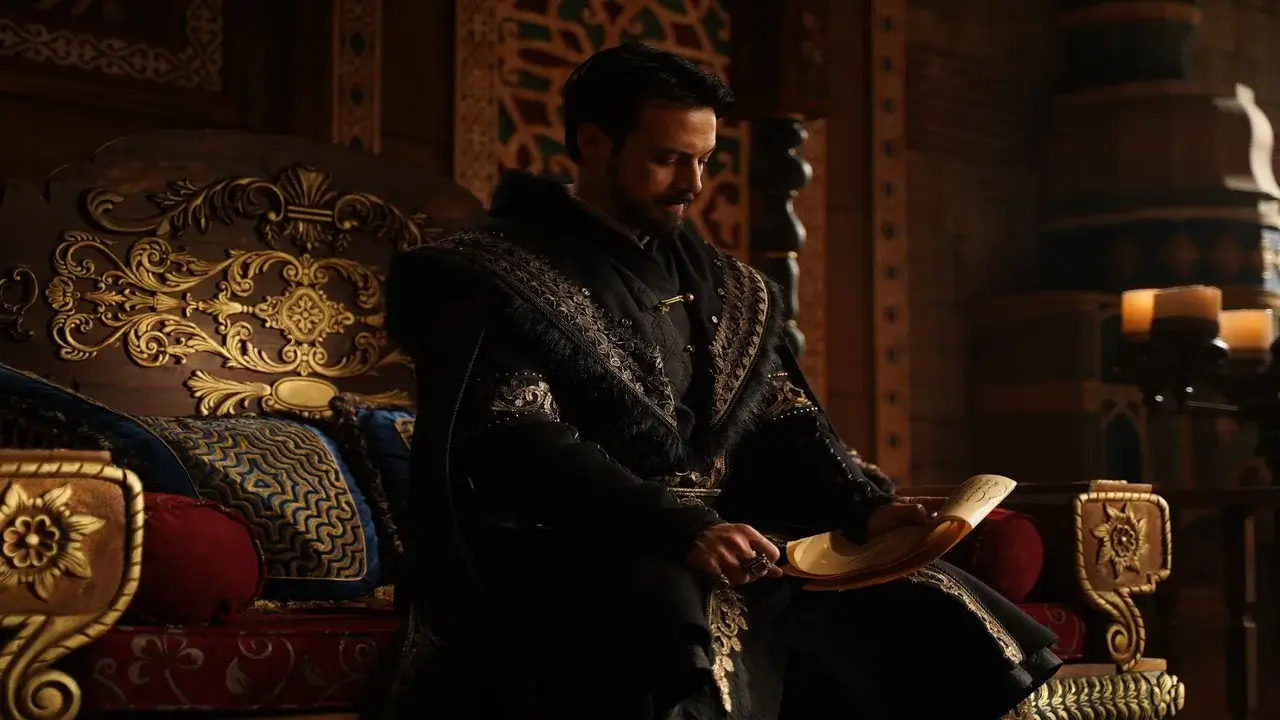
The episode’s most dangerous movement unfolds at Taşpınar. Demirhan Bey’s invitation to Orhan Gazi is framed as necessity, not aggression. Yet every gesture feels rehearsed, every assurance calculated.
Behind the promise of peace lies a strategy designed to isolate Orhan, weaken his alliances, and exploit Nilüfer Hatun as leverage. Even trusted figures hesitate, trapped between loyalty and survival. Whether warning reaches Orhan in time remains uncertain—and that uncertainty is the episode’s sharpest blade.
Ramazan as Moral Counterpoint
Rather than slowing the pace, Ramazan heightens contrast. Iftar tables glow with unity while betrayal takes shape elsewhere. Stories shared by Nasu Çelebi, traveling between Konya and Şam, frame patience as an act of courage, not retreat.
Faith here is neither ornament nor interruption. It is the moral lens through which choices are judged—and through which betrayal appears most stark.
Karesi Beyliği and the Test of Justice
Within Karesi Beyliği, old accusations resurface when truths about Dursun Bey emerge. A blade engraved with Allah kelamı challenges assumptions and demands discernment over haste.
While Demirhan Bey presses for swift punishment, Orhan insists on judgment grounded in truth. The conflict crystallizes the episode’s central theme: power that abandons justice ultimately devours itself.
History Beneath the Narrative
Though dramatized, Kurulus Orhan remains anchored in history:
- 1326: The conquest of Bursa, establishing it as the Ottoman capital
- 1328–1331: Expansion toward İznik and surrounding regions
- Mid-14th century: The incorporation of Karesi Beyliği, strengthening frontier unity
These milestones lend gravity without restraining the story’s emotional reach.
Why Episode 16 Stands Apart
Kurulus Orhan Episode 16 English subtitles mark a turning point. This is no longer a tale driven solely by conquest. It is a meditation on trust, foresight, and the cost of ruling with conscience in a world that rewards deception.
As Orhan steps closer to Demirhan’s carefully laid trap and Nilüfer’s fate hangs unresolved, the series signals a shift. Survival, it suggests, will depend not on strength alone—but on the wisdom to recognize betrayal before it strikes.
Frequently Asked Questions
When does Kurulus Orhan Episode 16 release?
The episode premieres on February 25, 2026, with English subtitles available shortly after broadcast.
Where can international viewers watch Kurulus Orhan Episode 16 with English subtitles?
It can be streamed on kurulusorhan.io.
What is the central conflict of Episode 16?
A deceptive offer of peace conceals a trap that threatens both Orhan Gazi’s authority and Nilüfer Hatun’s safety.
Is Kurulus Orhan Episode 16 a turning point in the series?
Yes. It marks the transition from expansion-driven storytelling to deeper political and moral complexity.