
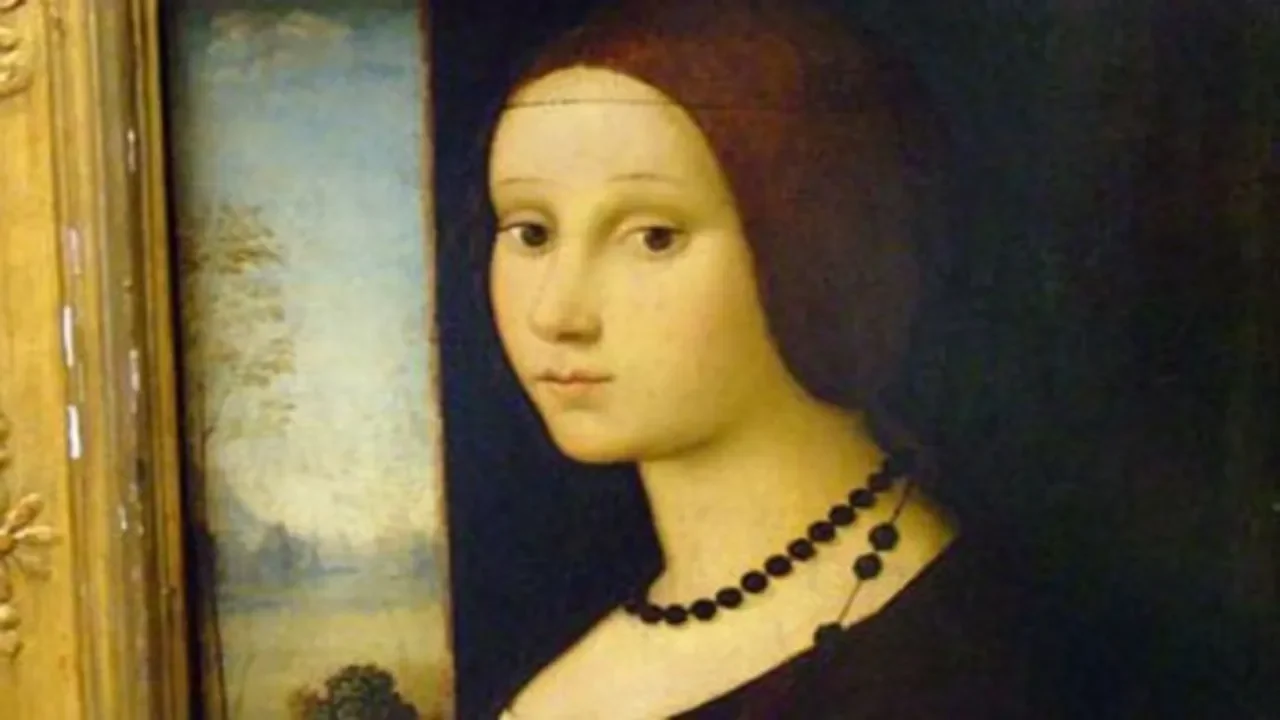
Queen Katarina of Bosnia was not merely a captive queen but a political symbol at the crossroads of faith, diplomacy, and empire. Her story reflects how Sultan Mehmed II reshaped Balkan power through strategy, restraint, and psychological warfare rather than brute force alone.
Introduction: Why Queen Katarina Still Matters
In the long shadow of the Ottoman expansion into the Balkans, few figures embody the tension between collapsing medieval kingdoms and a rising empire as powerfully as Queen Katarina of Bosnia. Often reduced to a footnote as a defeated queen, her real historical role was far more complex. She was a mother, a political asset, a religious symbol, and—above all—a bargaining chip in one of the most delicate transitions of power in Southeast Europe.
Today, renewed interest in Queen Katarina has emerged due to her nuanced portrayal in the Turkish historical series Mehmed Fetihler Sultanı, where her fate is presented not as punishment, but as strategy. This article explores her historical background, political importance, and why her story fits perfectly into the broader Ottoman vision under Sultan Mehmed II.
Who Was Queen Katarina of Bosnia?
Queen Katarina (Katarina Kosača-Kotromanić) was the queen consort of the medieval Kingdom of Bosnia, married to King Stjepan Tomaš. Born into the powerful Kosača noble family, she was raised in a region deeply divided by religion, loyalty, and foreign influence.
Bosnia in the mid-15th century was not a unified state. It stood fractured between:
- Catholic nobility aligned with Rome
- Local Bosnian Church elites
- Orthodox influences from neighboring Serbia
- Increasing Ottoman political pressure
Queen Katarina’s marriage was as much a political alliance as a royal union, intended to stabilize Bosnia internally and externally. However, history moved faster than diplomacy.
Bosnia on the Brink: The Ottoman Advance
By the time Sultan Mehmed II turned his attention fully toward Bosnia, the region was already weakened. Internal betrayals, economic exhaustion, and dependence on foreign powers had eroded resistance from within.
Unlike Constantinople, Bosnia was not conquered through dramatic siege warfare alone. Instead, the Ottomans applied a layered strategy:
- Diplomatic isolation of Bosnian rulers
- Control of trade routes and taxation
- Psychological pressure through surrounding vassal states
- Strategic use of hostages rather than executions
Within this framework, Queen Katarina became a figure of immense strategic value.
Why Queen Katarina Was Not Executed
One of the most misunderstood aspects of Queen Katarina’s fate is the assumption that her captivity implied punishment. In reality, executing her would have served no Ottoman interest.
From a political perspective:
- She symbolized legitimacy for Catholic Bosnian resistance
- Her children represented potential rallying points for rebellion
- Her survival neutralized foreign propaganda against the Ottomans
Sultan Mehmed II understood that power was not always enforced by the sword. Sometimes, restraint carried more authority than violence.
This approach aligns with Ottoman statecraft of the era, where elite captives were often preserved to maintain stability and control regional narratives.
Queen Katarina as a Diplomatic Asset
Rather than eliminating Queen Katarina, the Ottomans transformed her into a silent guarantor of peace. Her presence under Ottoman supervision sent a clear message to Europe:
- Bosnia’s royal line was neutralized
- Any rebellion lacked legitimate royal backing
- Religious persecution narratives were strategically avoided
This policy undercut external intervention from powers such as Hungary and the Papacy, both of whom had limited appetite for direct conflict with the Ottomans after 1453.
Faith, Identity, and Historical Misinterpretations
Queen Katarina is often remembered primarily for her Catholic faith. However, reducing her legacy to religion alone oversimplifies her role.
In the Ottoman system:
- Faith did not automatically determine execution
- Political loyalty mattered more than belief
- Stability was prioritized over forced conversions
This reality contradicts later nationalist narratives that portray the conquest of Bosnia as purely religious oppression. In truth, it was a calculated transition of power.
Queen Katarina in Mehmed Fetihler Sultanı
The series Mehmed Fetihler Sultanı presents Queen Katarina not as a helpless victim, but as a living symbol of unresolved authority. Her captivity is portrayed as deliberate and restrained, reinforcing Sultan Mehmed’s reputation as a ruler who mastered psychological dominance.
This portrayal aligns closely with historical records, making it one of the more accurate depictions in recent Ottoman-era television.
👉 To follow this storyline in detail, viewers watching Mehmed Fetihler Sultanı with English Subtitles can visit kurulusorhan.io, where the ongoing series is available for international audiences.
Timeline: Key Moments in Queen Katarina’s Life
- 1425 – Birth of Queen Katarina into the Kosača family
- 1446 – Marriage to King Stjepan Tomaš of Bosnia
- 1461 – Death of the Bosnian king, political instability deepens
- 1463 – Ottoman incorporation of Bosnia under Sultan Mehmed II
- Post-1463 – Queen Katarina taken under controlled custody
This timeline highlights how swiftly Bosnia moved from independence to imperial administration.
Why Her Story Still Resonates Today
Queen Katarina represents a recurring historical truth: empires are not built on destruction alone. They are sustained through calculated mercy, symbolic control, and long-term planning.
Her legacy challenges simplistic views of conquest and reminds modern audiences that history often unfolds in quieter, more strategic ways than legend suggests.
People Also Ask (FAQs)
Was Queen Katarina executed by the Ottomans?
No. She was kept alive because her survival served political and diplomatic purposes.
Why was Queen Katarina important to Sultan Mehmed II?
She symbolized Bosnian royal legitimacy, making her a strategic asset rather than a threat.
Is Queen Katarina portrayed accurately in Mehmed Fetihler Sultanı?
Yes. The series reflects her historical role as a political symbol rather than a punished captive.