

Mehmed Fetihler Sultanı Episode 70 deepens the Bosna campaign as Sultan Mehmed II consolidates power, disciplines dissent, and exposes covert alliances. Political marriages, fractured loyalties, and military preparations collide, setting the stage for an unavoidable imperial confrontation.
SOURCE 1 :
SOURCE 2 :
SOURCE 3 :
Episode 70 Release Information
Mehmed Fetihler Sultanı Episode 70 is scheduled to air on TRT1 in 17 February 2026, continuing the series’ weekly broadcast cycle. International viewers who want to watch Mehmed Fetihler Sultanı with English Subtitles can stream the episode shortly after release by visiting kurulusorhan.io, where the ongoing series is available for global audiences.
Release Update:
The release date of Mehmed Fetihler Sultanı Episode 70 has been officially revised. The episode was earlier expected to air on 17 February 2026, but has now been rescheduled to 24 February 2026.
Viewers can expect the episode to follow the same broadcast pattern, with English subtitles becoming available shortly after the official airing.
Mehmed Fetihler Sultanı Episode 70 Trailer With English Subtitles
Episode 70 Overview: A State That Moves Before It Strikes
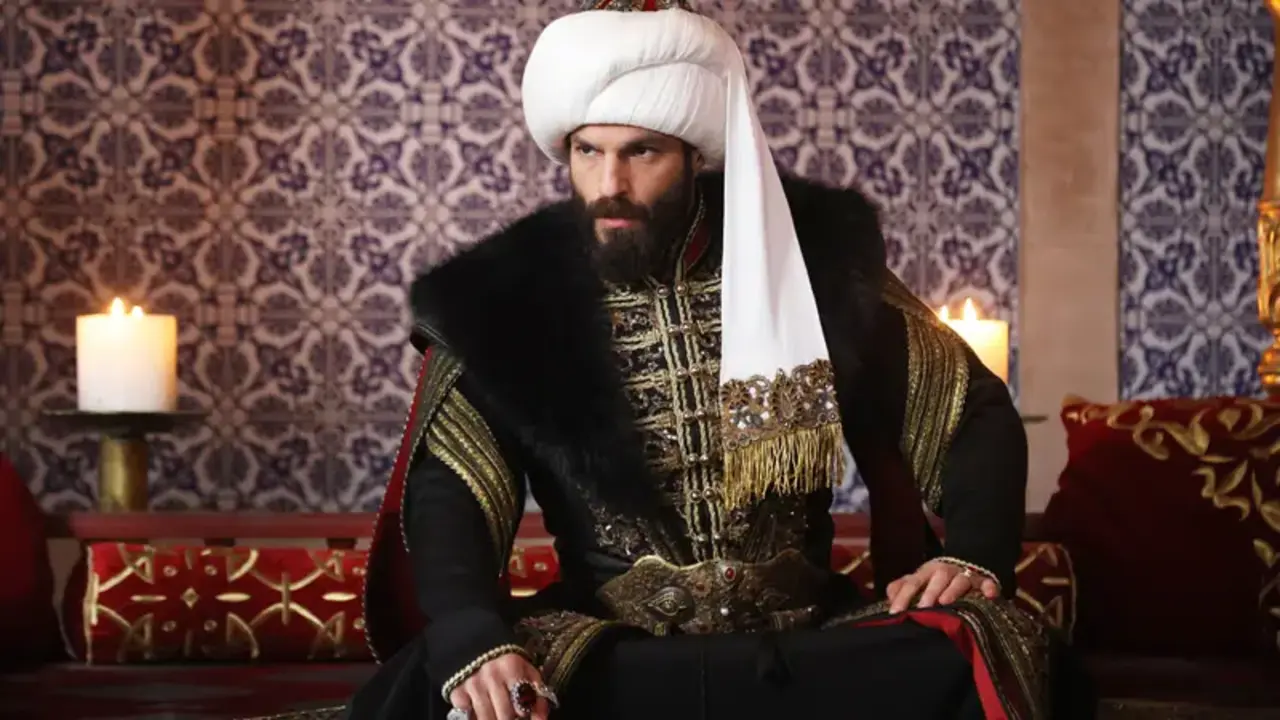
In Mehmed Fetihler Sultanı Episode 70, the narrative sharpens into something colder and more deliberate. Sultan Mehmed II (Fatih Sultan Mehmet Han) reminds friend and foe alike that the state does not advance by chance. Every road, every appointment, and every delay is calculated long before the first sword is drawn.
The episode functions as a pure preparation chapter. Bosna is no longer a distant objective; it becomes the axis around which politics, marriages, military logistics, and betrayals revolve. Unlike earlier episodes driven by reaction, Episode 70 shows an empire moving with intention.
Mahmut Paşa’s Rise and the Meaning of Authority
One of the defining arcs of Episode 70 is the elevation of Mahmut Paşa. His appointment is not merely administrative; it is symbolic. Sultan Mehmed II makes it clear that the state survives on discipline rather than sentiment. Mahmut Paşa’s place beneath the kubbe altı signals a phase where loyalty outweighs lineage and merit outweighs comfort.
This decision quietly unsettles entrenched interests. Türkmen beyleri sense a loss of influence, veteran commanders feel their autonomy shrinking, and silent rivals mistake patience for weakness. Episode 70 underlines a core Ottoman truth: authority is not shared, it is delegated—and withdrawn when necessary.
Bosna: From Campaign to Destiny
Bosna is no longer framed as a single expedition. In Episode 70, it becomes a civilizational fault line. Dialogue reinforces that the Bosna road may begin in the Balkans but could echo toward Rome and the Vatican. This reflects the historical reality of fifteenth-century Ottoman–Catholic rivalry, where territory signaled ideology as much as power.
Within the episode, Bosna emerges simultaneously as a strategic buffer against Hungarian and Papal influence, a test of Ottoman unity, and a proving ground for the next generation of şehzades. The campaign is no longer debated; it is accepted as destiny.
Şehzade Bayezid: The Weight of Inheritance
Şehzade Bayezid becomes a silent center of gravity. His journey toward Ragusa raises alarms not because of distance, but because of timing. Sultan Mehmed II confronts the danger of exposing a prince to foreign manipulation, reminding his council that princes are not merely sons; they are living instruments of the state.
The tension surrounding Bayezid reflects real Ottoman anxieties. European courts had long sought to weaponize royal bloodlines, and Episode 70 mirrors that historical fear with restraint rather than melodrama.
Vlad, Morena, and the Psychology of Betrayal
Mehmed Fetihler Sultanı Episode 70 continues the morally complex triangle involving Vlad, Morena, and Ottoman intelligence. Vlad is not portrayed as a simple villain. He is a ruler pulled between personal attachment, political survival, and the illusion of control. Morena becomes a form of emotional leverage, demonstrating how weakness of the heart can undo the strongest defenses.
The episode delivers a quiet but chilling assertion: empires often fall faster from emotional miscalculation than from military defeat.
The Grain Crisis and Silent Warfare
A subtle yet decisive thread is the struggle over grain supplies. Episode 70 reframes food as a weapon. The precision with which Ottoman forces intercept shipments raises uncomfortable questions about leaks, intelligence failures, and internal compromise.
This storyline reflects documented Ottoman doctrine, where economic disruption preceded open conflict. Hunger weakens alliances more reliably than steel.
Political Marriage: Strategy Over Romance
The marriage of Sultan Mehmed II is stripped of sentimentality. Mehmed Fetihler Sultanı Episode 70 presents marriage as policy. The Sultan’s reasoning is firm and historically grounded: marriage is not for pleasure, faith is protected through law, and stability outweighs personal desire. The portrayal aligns with Ottoman dynastic practice and Islamic jurisprudence, strengthening the series’ historical credibility.
The Divan-ı Hümayun: Order Before War
Mehmed Fetihler Sultanı Episode 70 devotes careful attention to the Divan-ı Hümayun. Before war comes order. The debates among sipahis, beyler, and paşas reveal deep unease. Prolonged delays drain morale, concerns over tımar obligations stretch resources, and quiet distrust simmers between Rumeli and Anadolu forces.
Sultan Mehmed II ends this tension with a single principle: when the state calls, hesitation becomes treason.
Why Episode 70 Matters
From a historical lens, Episode 70 mirrors the months preceding the real Ottoman Bosna campaign of 1463. The series accurately captures coalition anxiety among Christian states, Papal financial pressure, and Hungarian involvement under King Matthias Corvinus. This grounding elevates the episode beyond drama into informed historical reconstruction.
Road to the Bosna Campaign
Following the conquest of Constantinople in 1453, the Ottomans consolidated the Balkans between 1459 and 1462. In 1463, the empire moved decisively into Bosna, triggering direct confrontation with Papal-backed coalitions. Mehmed Fetihler Sultanı Episode 70 sits precisely at the psychological midpoint before irreversible action.
People Also Ask (FAQs)
When will Mehmed Fetihler Sultanı Episode 70 be released?
The episode is scheduled to air in 17 February 2026, with English subtitles available shortly after broadcast.
Is Episode 70 focused on war or politics?
Episode 70 prioritizes political consolidation, intelligence warfare, and strategic preparation rather than direct battlefield combat.
Does Episode 70 confirm the Bosna campaign?
Yes. The episode confirms Bosna as the next strategic objective, signaling that diplomacy has ended and action is imminent.
Where can I watch Episode 70 with English subtitles?
You can watch Mehmed Fetihler Sultanı with English Subtitles by visiting kurulusorhan.io.