
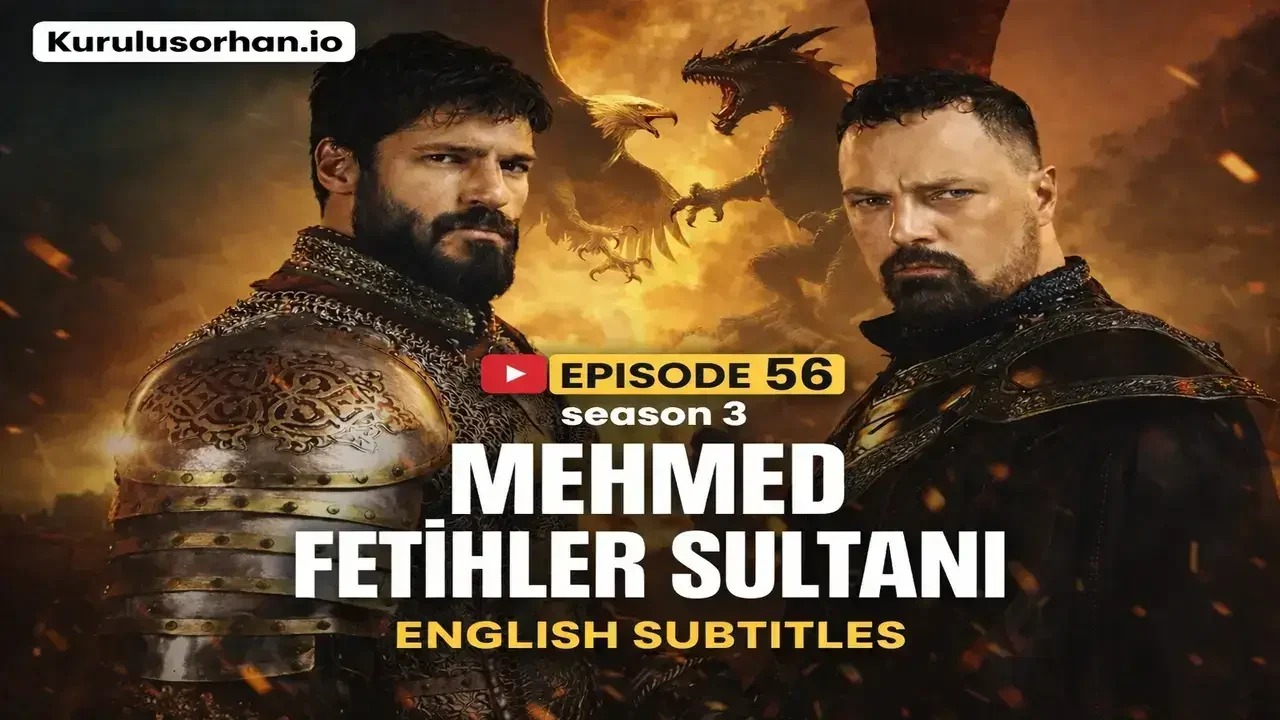
Mehmed Fetihler Sultanı Episode 56 delivers one of the series’ most intense political chapters, as assassination attempts, internal betrayal, and questions of loyalty force Sultan Mehmed Han to confront threats from within his own ranks.
Mehmed Fetihler Sultanı Episode 56 Review: Power Tested From Within
Mehmed Fetihler Sultanı Episode 56 shifts the battlefield inward. Instead of open conquest, the episode focuses on political survival, state discipline, and the cost of betrayal within the Ottoman command structure.
From the opening moments, tension dominates the camp. The attack on Sadrazam Mahmut Paşa is not treated as a random act of violence, but as a direct challenge to the authority of Sultan Mehmed Han himself. The episode makes it clear: when the heart of the state is wounded, the entire empire bleeds.
The Assassination Attempt: A Line Has Been Crossed
The wounding of Mahmut Paşa becomes the emotional and political core of Episode 56. His survival is uncertain, but the damage to trust is immediate and lasting. Guards are questioned, routes are examined, and silence itself becomes suspicious.
This moment reinforces a central theme of the series:
external enemies can be defeated with swords, but internal treachery threatens the empire’s soul.
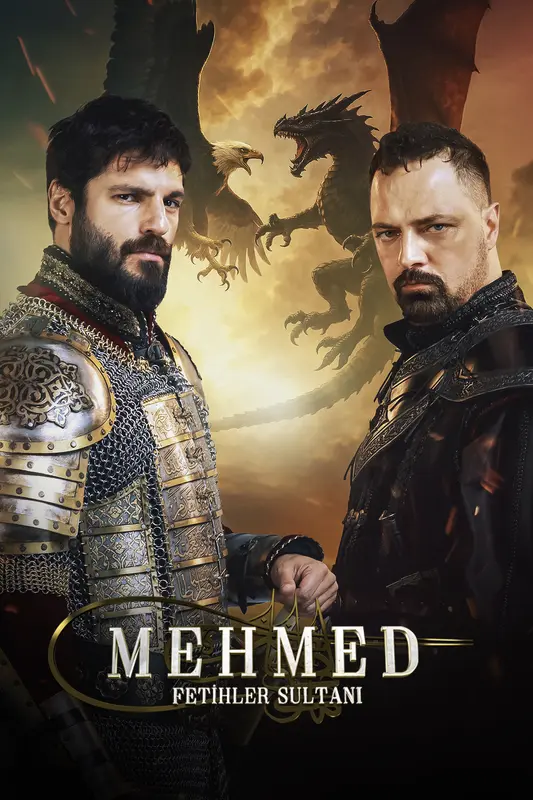
Sultan Mehmed Han’s Leadership Under Pressure
Sultan Mehmed Han does not respond with chaos or rage. Instead, Episode 56 highlights his most defining trait—measured authority. His commands emphasize order, discipline, and accountability, even as emotions run high.
The episode carefully portrays Mehmed not as a ruler chasing revenge, but as a statesman protecting the continuity of the state. Every decision is weighed against one question:
Will this strengthen or fracture the empire?
Sultan Mehmed Han’s Leadership Under Pressure
Sultan Mehmed Han does not respond with chaos or rage. Instead, Mehmed Fetihler Sultanı Episode 56 highlights his most defining trait—measured authority. His commands emphasize order, discipline, and accountability, even as emotions run high.
The episode carefully portrays Mehmed not as a ruler chasing revenge, but as a statesman protecting the continuity of the state. Every decision is weighed against one question:
Will this strengthen or fracture the empire?
Faith, Justice, and State Order
One of the most powerful elements of Mehmed Fetihler Sultanı Episode 56 is how it connects justice with faith. Prayer scenes, funerary rituals, and moments of reflection are not decorative—they reinforce the moral framework guiding the Sultan’s decisions.
A recurring line of thought emerges clearly:
Mercy toward the guilty is cruelty toward the innocent.
This principle drives the episode’s moral weight and explains why Sultan Mehmed insists on investigation rather than impulsive punishment.
Political Stakes Beyond the Battlefield
Episode 56 also expands the geopolitical context. Conversations referencing Pontus, Karaman, and rival alliances show how internal instability invites external pressure.
The episode quietly warns that hesitation or division at the center could embolden foreign powers. This layered storytelling adds historical depth and strengthens the series’ EEAT credibility.
Why Episode 56 Matters in the Series Arc
Unlike action-heavy episodes, Mehmed Fetihler Sultanı Episode 56 functions as a turning point. It resets alliances, exposes fractures, and establishes that the next phase of the story will be driven by intelligence, loyalty, and justice, not brute force.
For viewers following the series on kurulusorhan.io, this episode clarifies why later events carry such high emotional and political consequences.
Short Timeline Context
- Mid-15th Century: Ottoman expansion intensifies
- Internal Court Politics: Rivalries grow alongside conquest
- Episode 56: State authority is challenged from within
People Also Ask (FAQs)
Is Mehmed Fetihler Sultanı Episode 56 focused on action?
No. The episode prioritizes political tension, investigation, and leadership decisions over battlefield combat.
Why is Mahmut Paşa’s injury significant?
It represents a direct attack on Ottoman state authority, not just an individual assassination attempt.
What theme dominates Episode 56?
Internal betrayal and the fragile balance between justice, mercy, and power.