
Battle of Pelekanon (1329): The Clash That Sealed the Fate of Byzantium in Anatolia
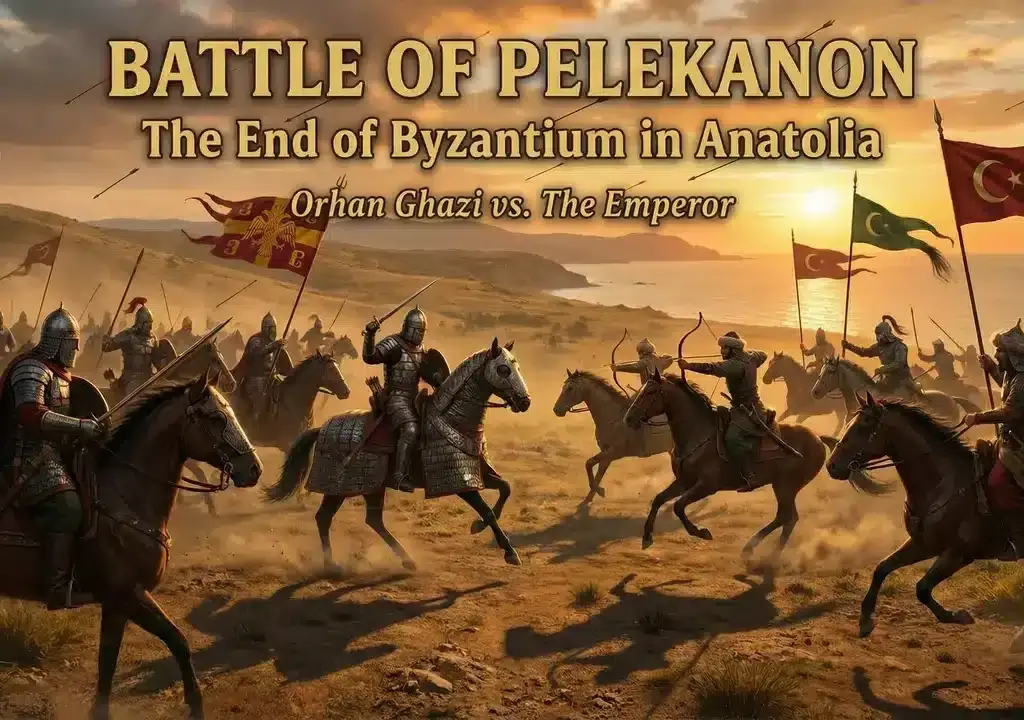
What Was the Battle of Pelekanon? The Battle of Pelekanon (June 1329) was a decisive military engagement between the expanding Ottoman forces led by Orhan Ghazi and the Byzantine Empire under Emperor Andronikos III. Fought near modern-day Maltepe, it marked the first time a Byzantine Emperor personally led an army against the Ottomans and was defeated, resulting in the permanent loss of Anatolia. Check Also: Vlad the Impaler: The Real Brutal History Behind the Dracula Legend The Rising Storm: Ottoman Expansion Meets Imperial Resistance By the early 14th century, the political map of Asia Minor was shifting violently. The Ottoman Beylik, founded by Osman Ghazi, had transformed from a small frontier principality into a formidable state. Upon Osman’s death, his son Orhan Ghazi ascended to the throne with a singular vision: the complete conquest of the remaining Byzantine strongholds in Bithynia. The Byzantine Empire, once the superpower of the Mediterranean, was crumbling. Civil wars and economic instability had weakened its grip on its eastern territories. However, the loss of Bursa in 1326 was a wake-up call for Constantinople. The new Emperor, Andronikos III Palaiologos, realized that if he did not act immediately, the cities of Nicaea (Iznik) and Nicomedia (Izmit) would be lost forever. The Strategic Importance of Nicaea Nicaea was not just a city; it was a symbol. It had served as the interim capital of the Byzantine Empire during the Latin occupation of Constantinople. For Orhan Ghazi, taking Nicaea was essential to consolidate Ottoman power. In 1329, Orhan placed Nicaea under a tight siege. He did not rush to storm the walls. Instead, he employed a blockade strategy to starve the defenders into submission. Andronikos III, accompanied by his trusted general John Kantakouzenos (the Grand Domestic), gathered an army of approximately 4,000 men. His objective was clear: cross the Bosphorus, relieve the siege of Nicaea, and push the Turks back. The Clash at Pelekanon: June 10, 1329 The two armies met at Pelekanon (believed to be near modern Maltepe or Eskihisar), located on the coastline of the Sea of Marmara. The Opposing Forces Tactics and Turning Points Orhan Ghazi utilized the classic Turkish tactic of feigned retreat and harassment. As the heavy Byzantine cavalry advanced, Ottoman archers rained arrows upon them from the hills. Andronikos III attempted to force a direct engagement, but the elusive Ottoman troops refused to be pinned down. By late afternoon, the skirmishes had exhausted the Byzantine troops. The turning point came when Emperor Andronikos III himself was wounded in the leg. Rumors of his death spread rapidly through the Byzantine ranks, causing panic. John Kantakouzenos attempted to maintain order and organized a retreat to the camp, but the psychological damage was done. Under the cover of darkness, the Ottoman forces launched a final, devastating assault on the retreating Byzantine column. The imperial army broke, fleeing in disarray back toward Constantinople. Why Pelekanon Changed History The Battle of Pelekanon was not the largest battle in history by numbers, but its political impact was colossal. Check Also: Kingdom of Pontus Explained: Legends, Battles & Historical Impact Orhan Ghazi: The Architect of Statehood Orhan Ghazi is often overshadowed by his father Osman or his descendant Mehmed the Conqueror, but Pelekanon proved his military genius. He was not just a warrior; he was a state-builder. Following the battle, Orhan treated the local Christian population with leniency, encouraging them to remain and pay taxes rather than fleeing. This pragmatic approach helped integrate the conquered lands into the growing Ottoman state. For those fascinated by this era, modern media has brought these stories to life. The ongoing TV series depicts the struggles and triumphs of this period vividly. If you are following the rise of the state and want to watch the Sultan Orhan Ghazi (Kurulus Orhan) series with English subtitles, you should visit kurulusorhan.io for the latest episodes. Timeline of the Conflict (1326–1337) People Also Ask (FAQs) 1. Who won the Battle of Pelekanon? The Ottoman forces led by Orhan Ghazi won the battle. They defeated the Byzantine army commanded by Emperor Andronikos III, forcing them to retreat to Constantinople. 2. Why was the Battle of Pelekanon important? It was the first and last time a Byzantine Emperor personally led an army against the Ottomans and lost. The defeat confirmed that the Empire could not save Anatolia, leading to the fall of Nicaea and Nicomedia. 3. Where is Pelekanon located today? Pelekanon is believed to be located near the modern Turkish districts of Maltepe or Darica, along the coast of the Sea of Marmara, just east of Istanbul. 4. Did Orhan Ghazi kill Andronikos III? No, Orhan Ghazi did not kill him. Andronikos III was wounded in the leg during the battle but managed to escape back to Constantinople by sea.
Mehmed Fetihler Sultanı Episode 62 Trailer 1 English Subtitle: The Conquest of Trabzon Begins
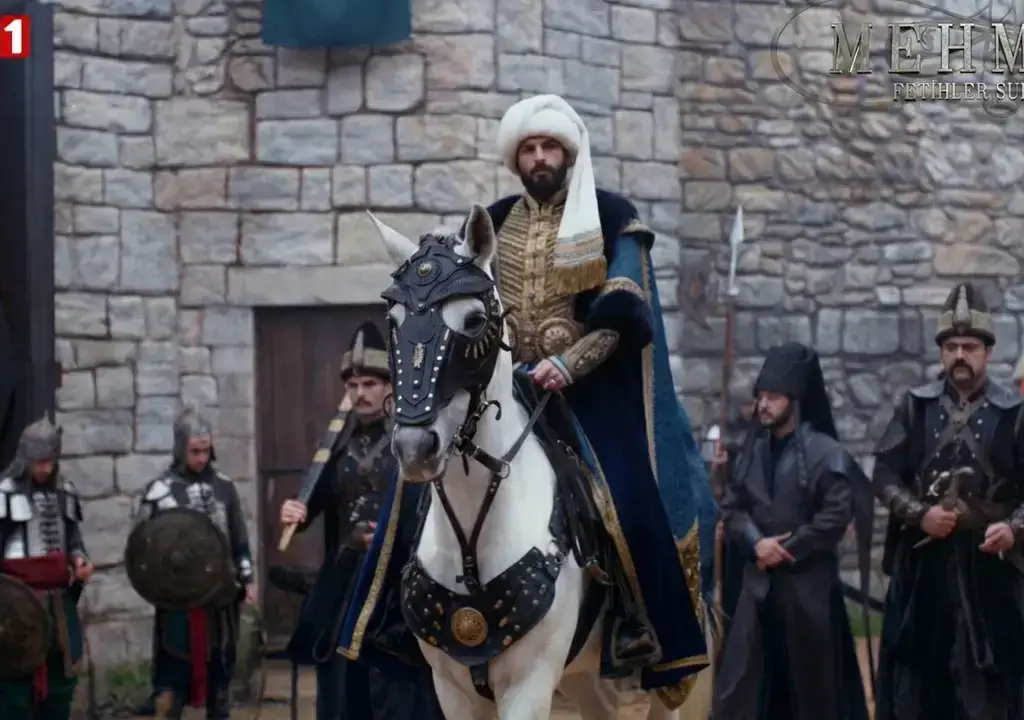
Mehmed Fetihler Sultanı Episode 62 Trailer 1 signals the decisive conquest of Trabzon, highlighting Sultan Mehmed II’s divine mission, military resolve, and the fall of the last Pontic stronghold, airing on TRT 1 on December 16. Trailer Overview: What Episode 62 Is Really About The newly released Trailer 1 of Mehmed Fetihler Sultanı Episode 62 delivers a powerful message: the time for hesitation is over. The episode centers on the final Ottoman campaign against Trabzon, the last stronghold of the Empire of Trebizond, historically conquered in 1461 by Sultan Mehmed II. Unlike previous episodes focused on preparation and diplomacy, this trailer confirms that the march has begun. Mehmed Fetihler Sultanı Episode 62 Trailer 1 English Subtitle Breakdown: Line-by-Line Meaning The trailer’s dialogue carries heavy religious, historical, and emotional weight, reinforcing the Ottoman ideology of conquest. Key Trailer Lines Explained “İndi Pontusun başını kesme vaktidir.”Now is the time to cut off the head of Pontus. This line directly references the Empire of Trebizond, the last Greek Pontic state resisting Ottoman rule. “Son düşman başlayana kadar durmak yok.”There is no stopping until the final enemy falls. A clear declaration of total war, reflecting Mehmed II’s historical strategy of eliminating all remaining threats. “Yurtları biz fethederiz. Şehitlerimizin aziz ruhu korur.”We conquer lands, protected by the sacred souls of our martyrs. This reinforces the Islamic concept of martyrdom, a recurring spiritual theme in the series. “Zafer oklar… Sultan Mehmet yürüdü ileri.”Arrows of victory… Sultan Mehmed marches forward. A visual cue for large-scale battle scenes, cavalry movement, and command leadership. “Bismillahirrahmanirrahim.”In the name of Allah, the Most Merciful, the Most Compassionate. Symbolizes the divine legitimacy behind the campaign. “Trabzon’u Türk yurdu kıldığımız fethimiz kutlu ve uğurlu ola.”May our conquest that made Trabzon a Turkish homeland be blessed. This line openly confirms Trabzon’s fall within Episode 62. Asâkir-i Muhammediyye: The Spiritual Army The phrase: “Ey Asâkir-i Muhammediyye…” Refers to the Ottoman army as the soldiers of Prophet Muhammad (ﷺ), a powerful morale-boosting concept historically used during jihad-era campaigns. The trailer visually links faith, unity, and military destiny. Why Trabzon Matters Why the Conquest of Trabzon Was Critical The trailer’s line: “Komeros şehirden kaçmışım.”(Komnenos has fled the city.) Directly references David Komnenos, the final ruler of Trebizond. Timeline: Road to Episode 62 Broadcast Details Confirmed According to the trailer announcement: “Mehmed Fetihler Sultanı Salı günü TRT1’de.” Official Airing Information Why Episode 62 Is a Turning Point Episode 62 is not just another battle episode. It represents: This depth explains the strong reaction to Trailer 1 across global fan communities. People Also Ask (FAQs) Is Mehmed Fetihler Sultanı Episode 62 about Trabzon’s conquest? Yes, the trailer confirms the Ottoman conquest of Trabzon, historically completed in 1461. Does Episode 62 include English subtitles? The official broadcast airs in Turkish, but English subtitles are commonly released on Kurulusorhan.io shortly after the episode airs. Who was Komnenos mentioned in the trailer? He refers to David Komnenos, the last ruler of the Empire of Trebizond. When will Episode 62 air on TRT 1? Tuesday, December 16 at 20:00 (Turkey Time) on TRT 1.
Osman Ghazi: The Fearless Founder Who Built the Ottoman Empire
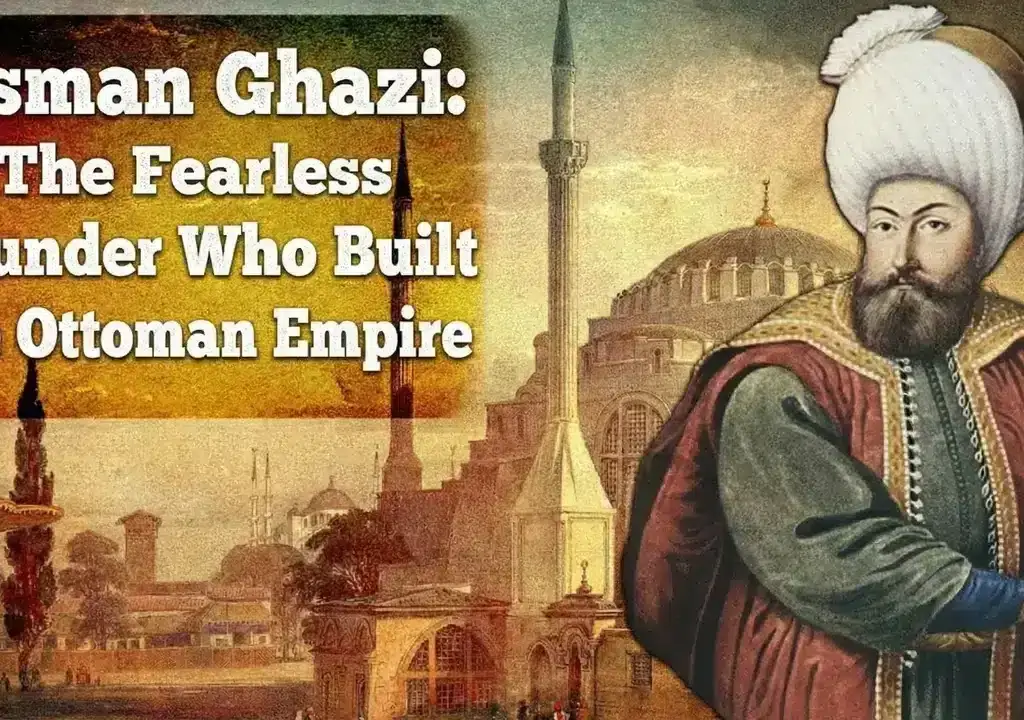
Who Was Osman Ghazi? Osman Ghazi (Osman I) was the founder of the Ottoman Empire and the leader of the Kayi Tribe. Born in Sogut around 1258, he united the fractured Turkmen tribes of Anatolia into a formidable state. Through strategic marriages, religious alliances with the Ahi Brotherhood, and military brilliance at the Battle of Bapheus, he laid the groundwork for an empire that would rule three continents for over six centuries. Check Also: Mehmed II: The Life and Legacy of the Sultan Who Conquered Constantinople Introduction: The Spark That Ignited an Empire In the late 13th century, the map of Anatolia was a fragmented mosaic of warring states. The once-great Seljuk Empire was crumbling under the iron fist of the Ilkhanid Mongols, while the Byzantine Empire in the West was slowly decaying. Amidst this chaos, a new power was rising on the frontier. That power was Osman Ghazi. He was not just a tribal chieftain; he was a visionary statesman. unlike his contemporaries who were satisfied with raiding, Osman sought to build a permanent state based on justice (Adalet) and Islamic tradition. His life story is a fascinating blend of historical fact and enduring legend, marking him as one of the most significant figures in Islamic history. The Lineage of Wolves: From Ertugrul to Osman To understand Osman, one must understand his roots. He was the youngest son of Ertugrul Ghazi, the legendary leader of the Kayi Tribe, and Halime Hatun. Under Ertugrul, the Kayi tribe had settled in Sogut as the guardians of the Seljuk frontier. When Ertugrul passed away around 1281, a power struggle ensued. However, Osman’s charisma and military prowess won over the tribal elders. He inherited not a kingdom, but a tent and a dream. He transformed the Kayi Tribe from nomadic herders into a disciplined military force capable of challenging imperial armies. The Dream of Osman: A Divine Prophecy History and folklore often intertwine in the Ottoman narrative. The most famous account is the “Dream of Osman.” While staying at the dergah of the holy scholar Sheikh Edebali, Osman dreamt of a moon rising from the Sheikh’s chest and sinking into his own. Immediately, a colossal tree sprouted from his navel. Its shade covered the world, and rivers like the Tigris and Euphrates flowed from its roots. Sheikh Edebali interpreted this as a divine sign: “Osman, my son, you are destined for greatness. You and your descendants will rule the world, and my daughter shall be your wife.” This prophecy did more than just boost morale; it secured the backing of the powerful Ahi Brotherhood, a socio-religious organization that provided Osman with the political legitimacy and manpower he needed to expand. Military Genius: The Conquest of Anatolia Osman Ghazi was a master tactician. He realized that fighting fellow Muslim tribes would only weaken the cause. Instead, he turned his gaze West—towards the Byzantine Empire. The Conquest of Karacahisar His first major move was against the fortress of Karacahisar. Upon conquering it, Osman showed his intent to build a state, not just loot. He appointed a Qadi (Judge) to administer justice and allowed the local Christian population to live in peace, paying a tax in exchange for protection. This policy of tolerance won him the loyalty of many locals. The Battle of Bapheus (Koyunhisar): The Turning Point The year 1302 marks the true historical beginning of the Ottoman state. Alarmed by Osman’s growing influence, the Byzantine Emperor sent a professional army to crush him. The two forces met at the Battle of Bapheus near Nicomedia. Against the odds, Osman’s light cavalry outmaneuvered the heavy Byzantine infantry. This victory was earth-shattering. It signaled to the world that the Ottomans were no longer just a tribe; they were an independent power. Following this, Ghazis (warriors) from all over Anatolia flocked to Sogut to fight under Osman’s banner. Check Also: Vlad the Impaler: The Real Brutal History Behind the Dracula Legend The Siege of Bursa and The Final Days The ultimate goal for Osman Ghazi was the capture of Bursa. This city was a key Silk Road hub and a gateway to Europe. Osman encircled the city, building forts to cut off its supplies. However, the siege dragged on for years. During this time, Osman’s health deteriorated due to gout. Unable to ride into battle, he passed the command to his capable son, Orhan Ghazi. In 1326, news arrived that Bursa had finally surrendered. Osman Ghazi died shortly after, but he died with a heart full of peace, knowing his son had secured the new capital of his budding empire. The Legacy Continues: Orhan Ghazi and the Screen Adaptation The torch passed from Osman to Orhan, who would go on to create the Janissaries and cross into Europe. The struggles, the battles, and the emotional depth of this era are brilliantly captured in modern media. Currently, the saga of the Ottoman foundation continues with the series centered on Sultan Orhan Ghazi. It visualizes the transition of power and the expansion of the state. For international fans who want to witness this history unfolds, you can watch the series with English subtitles by visiting kurulusorhan.io. This platform offers an immersive experience into the life of Osman’s successor. Timeline of Osman Ghazi’s Life Check Also: Kingdom of Pontus Explained: Legends, Battles & Historical Impact People Also Ask (FAQs) 1. Why is he called “Ghazi”? The title Ghazi refers to a warrior who fights for the cause of Islam and justice. Osman earned this through his lifelong dedication to expanding the frontiers of the state and protecting his people from oppression. 2. Where is Osman Ghazi buried? Osman Ghazi is buried in Bursa, Turkey. His tomb is located within the Silver Dome (Gümüşlü Kümbet), a former Byzantine chapel, fulfilling his final wish to lie in the city he spent years conquering. 3. Did Osman Ghazi fight the Mongols? While the Seljuks engaged in devastating wars with the Mongols, Osman I adopted a strategy of avoiding direct conflict with the Ilkhanids.
Vlad the Impaler: The Real Brutal History Behind the Dracula Legend
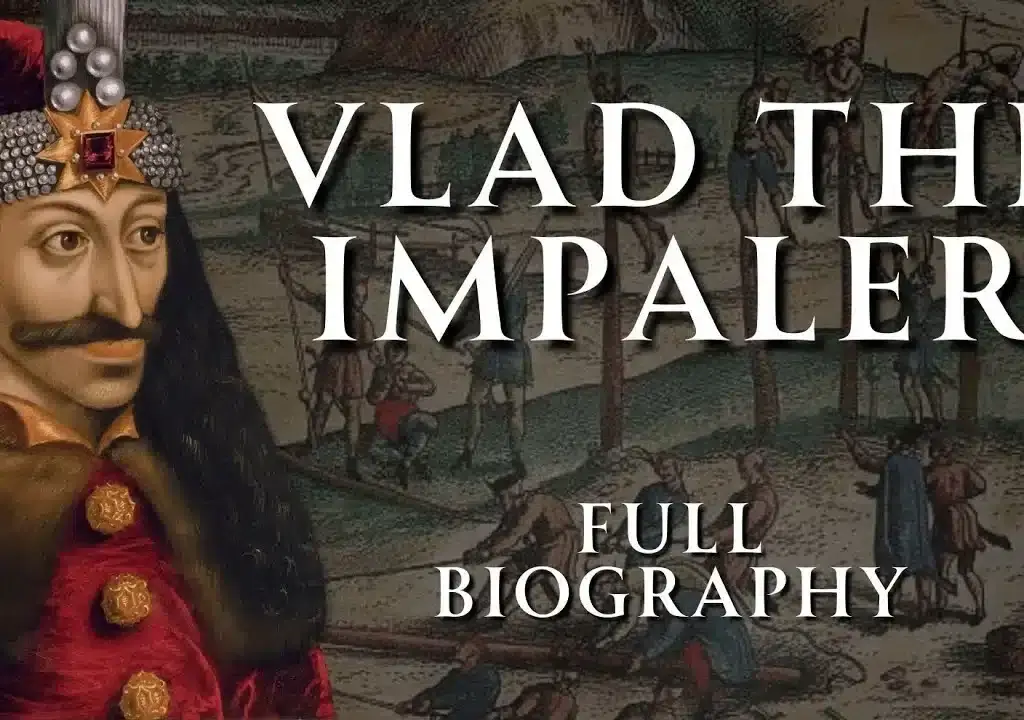
Vlad III, commonly known as Vlad the Impaler, was the 15th-century ruler of Wallachia (modern Romania). He is famous for his ruthless defense against the Ottoman Empire and his preferred method of execution: impalement. His terrifying reputation and war against Sultan Mehmed II inspired Bram Stoker’s fictional character, Dracula. Check Also: Orhan Gazi: The Iconic Sultan Who Built a Legendary Empire Introduction: The Man Behind the Monster When people hear the name Dracula, they usually think of a vampire with sharp fangs, a black cape, and a thirst for blood. But the real story behind the legend is not about magic. It is about a human being who was far more dangerous than any fictional monster. His real name was Vlad III, the Prince of Wallachia. History remembers him by a name that still sends chills down the spine: Vlad the Impaler (Vlad Țepeș). He lived in the 1400s, a bloody time when kingdoms rose and fell through war. Vlad ruled with steel and fear. He killed thousands of people to protect his land from enemies inside and outside his borders. While the Western world views him as a villain, many people in Romania see him as a hero who defended his country against the massive Ottoman Empire. To understand him, we must look at his childhood, his rise to power, and the brutal war that made him a legend. The Meaning of “Dracula” Where did the name Dracula come from? It was not a spooky nickname made up by a writer. It was his family name. Vlad was born in 1431 in Transylvania, a land of mountains and forests. His father, Vlad II Dracul, was a member of the Order of the Dragon. This was a special group of knights promised to defend Europe from enemies. In the Romanian language, “Dracul” meant “The Dragon.” Adding “a” at the end meant “Son of.” So, Dracula literally means “Son of the Dragon.” However, there is a twist. In modern Romanian, “Dracul” also means “The Devil.” This double meaning fits Vlad perfectly. To his soldiers, he was a brave Dragon. To his enemies, he was the Devil himself. Check Also: Kingdom of Pontus Explained: Legends, Battles & Historical Impact A Childhood Held Hostage Vlad did not have a normal childhood playing with toys. When he was a young boy, his father had to make a hard deal to keep peace with the Ottoman Empire. He sent two of his sons—Vlad and his younger brother, Radu the Handsome—as hostages to the Ottoman Sultan. For years, Vlad lived in the city of Edirne. He was a prisoner, but he lived in the palace. During this time, he learned many things that would help him later: This experience changed him. While his brother Radu became friends with the Sultan’s son (the future Mehmed II), Vlad grew to hate the Ottomans. He felt humiliated. He promised himself that one day, he would use everything he learned to destroy them. Rise to Power: Cleaning Up Wallachia When Vlad finally returned to Wallachia in 1456, his country was falling apart. The local nobles, called Boyars, were corrupt. They had killed Vlad’s father and brother. They thought they could control Vlad too. They were wrong. The Easter Feast Massacre Vlad invited hundreds of these nobles to a big Easter feast at his castle. They ate, drank, and celebrated, thinking they were safe. Then, Vlad asked them a question: “How many princes have you lived to see?” Some nobles said 10, others said 20. This proved they were traitors who switched sides constantly. Vlad’s soldiers surrounded the room. He took the older nobles and impaled them on the spot. He took the younger, stronger nobles and forced them to march 50 miles up a mountain. He made them build his fortress, Poenari Castle, until their clothes fell off and they died of exhaustion. This brutal act sent a clear message: Wallachia had a new master, and he did not tolerate treason. Check Also: Byzantine Empire: Statecraft, Law & Decline (330–1453) – The Legacy of Basileia Rhōmaiōn Why Impalement? The Psychology of Fear Vlad is famous for impalement, a horrific way to die where a wooden stake is driven through the body. But why did he choose this? Was he just crazy? Historians believe it was psychological warfare. Vlad had a very small army. His enemies had huge armies. He could not win a fair fight. He needed to create absolute terror. The War of Brothers: Vlad vs. Radu One of the saddest parts of Vlad’s life was his relationship with his brother, Radu the Handsome. Radu had stayed with the Ottomans. He converted to Islam and became a general for Sultan Mehmed II. When the war started, it wasn’t just Vlad against the Sultan. It was brother against brother. Radu led Ottoman soldiers against Vlad’s Wallachian soldiers. Radu used kindness to win over the people, while Vlad used fear. In the end, the people chose Radu, and Vlad was betrayed by his own blood. The Clash of Titans: Vlad III vs. Sultan Mehmed II The biggest war of Vlad’s life was against Sultan Mehmed II (Mehmed the Conqueror). Mehmed was the powerful leader who had conquered Constantinople. The war started over taxes. When Ottoman messengers came to ask for money, they refused to take off their turbans in front of Vlad. Vlad said, “I will help you keep them on forever,” and nailed the turbans to their heads. This insult started a massive war. Mehmed marched to Wallachia with over 100,000 soldiers. Note for History Fans: This intense rivalry between Vlad and Mehmed is currently being shown on TV. You can watch the full story unfold in the series Mehmed: Fetihler Sultanı. To stream the episodes with English subtitles, visit kurulusorhan.io. Seeing the battles on screen helps you understand how intense this history really was. The Night Attack at Târgoviște Vlad knew he could not win a direct battle. He had only 30,000 men. So, he used guerrilla tactics.
Mehmed II: The Life and Legacy of the Sultan Who Conquered Constantinople
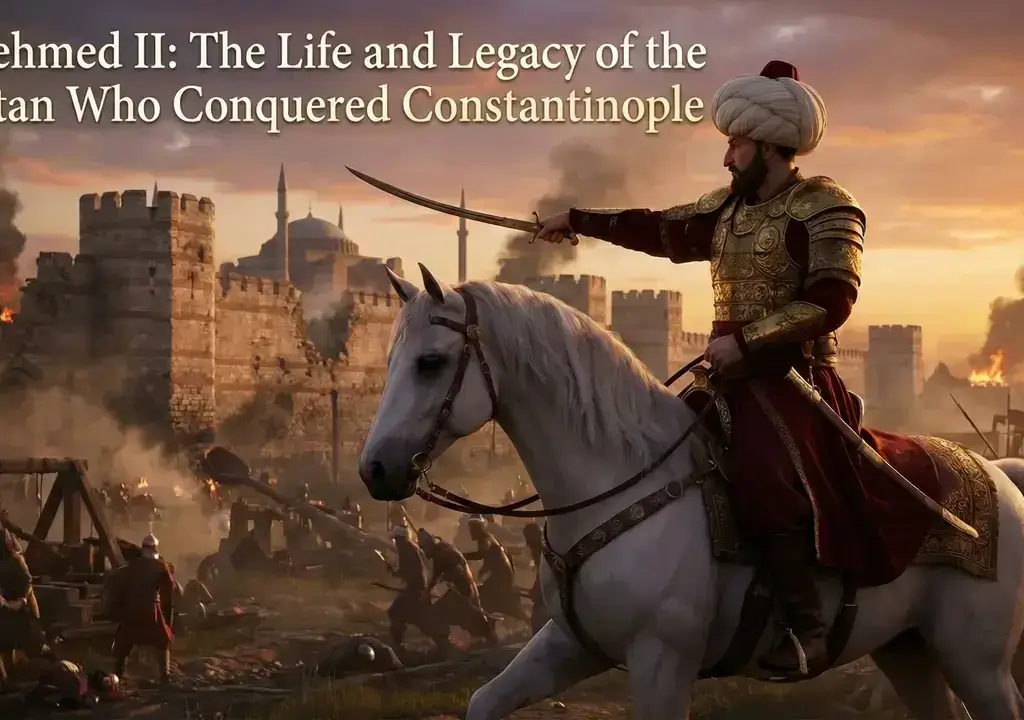
Who Was Mehmed the Conqueror? Mehmed II, widely revered as Fatih Sultan Mehmed (Mehmed the Conqueror), was the visionary Ottoman Sultan who reshaped global history by capturing Constantinople in 1453 at the age of 21. His reign (1444–1446; 1451–1481) marked the definitive end of the Byzantine Empire and the Middle Ages. Beyond his military prowess, Mehmed was a polymath, a patron of the arts, and the architect of Istanbul’s rise as an Islamic and trade capital, effectively establishing the Ottomans as a transcontinental superpower. Check Also: Orhan Gazi: The Iconic Sultan Who Built a Legendary Empire The Early Years: A Prince Forged in Fire Born on March 30, 1432, in Edirne, Mehmed was the third son of Sultan Murad II and Hüma Hatun. Unlike typical princes raised in luxury, Mehmed’s path to the throne was paved with rigorous discipline and early trauma. The Education of a Polymath At a young age, Mehmed was sent to Manisa to govern, a traditional practice to prepare Ottoman princes for leadership. However, he was initially rebellious. His father appointed the stern mullah Molla Gürani and the spiritual scholar Akshamsaddin to discipline him. Under their tutelage, Mehmed’s intellect flourished. Historians note that he became a true polymath, mastering: The Trauma of the First Reign (1444–1446) In a shocking turn of events, Murad II abdicated the throne, leaving the 12-year-old Mehmed to rule. This period was chaotic. The Janissaries (elite soldiers) revolted, and European powers launched the Crusade of Varna, sensing weakness in the child sultan. The Grand Vizier, Çandarlı Halil Pasha, undermined Mehmed’s authority, eventually forcing Murad II to return to the throne. This humiliation shaped Mehmed’s character. When he ascended the throne a second time in 1451, he was no longer a child—he was a calculated strategist determined to prove his absolute authority. Check Also: Kingdom of Pontus Explained: Legends, Battles & Historical Impact The Obsession with Constantinople For centuries, Constantinople had been the “Red Apple” (Kızıl Elma)—the ultimate prize for Islamic rulers. It controlled the Bosphorus Strait, the gateway between Asia and Europe. For Mehmed II, conquering it was not just a military goal; it was a destiny foretold in Islamic tradition. Isolating the City Mehmed’s strategy was methodical. Before a single arrow was fired, he cut off the city’s lifeline. The Siege of 1453: 53 Days of Hell On April 6, 1453, the Ottoman army, estimated at 80,000 to 100,000 strong, arrived at the walls of Constantinople. Inside, Emperor Constantine XI had only about 7,000 defenders, including expert Genoese mercenaries led by Giovanni Giustiniani. The Impenetrable Chain and the Golden Horn The city was protected by the Theodosian Walls on land and the sea on three sides. The weak point was the Golden Horn harbor, but the Byzantines had blocked its entrance with a massive iron chain, preventing the Ottoman navy from entering. The Impossible Maneuver: Ships Over Land Stalled by the chain, Mehmed II executed one of the most audacious maneuvers in military history. On the night of April 21, his engineers laid a plank road of greased logs over the steep hill of Galata. Using brute strength and oxen, the Ottomans dragged roughly 70 ships overland and launched them into the Golden Horn behind the enemy chain. When the sun rose, the Byzantine defenders were horrified to see the Ottoman fleet in their harbor. Their morale shattered. May 29, 1453: The Final Assault After weeks of bombardment, Mehmed ordered the final assault. The walls were breached near the St. Romanus Gate. Emperor Constantine XI died fighting (his body was never definitively identified). Mehmed entered the city, rode to the Hagia Sophia, and prayed, marking the end of the Roman Empire. He declared himself Kayser-i Rum (Caesar of Rome). Building an Empire: Governance and Culture Mehmed the Conqueror was not merely a destroyer of the old order; he was a builder of a new one. Transformation of Istanbul Mehmed immediately began rebuilding the depopulated city. He established the Grand Bazaar (Kapalıçarşı) to jumpstart the economy and built the Topkapi Palace as the seat of government. The Millet System and Religious Tolerance Understanding that the city needed its people, Mehmed encouraged Greeks, Armenians, and Jews to stay. He implemented the Millet System, allowing religious minorities to govern their own internal affairs under their own laws. He appointed Gennadius Scholarius as the Patriarch of the Orthodox Church, ensuring the loyalty of his Christian subjects. The Kanunname (Code of Law) Mehmed codified secular laws (Kanun) to run alongside Islamic law (Sharia). His Kanunname established the organizational structure of the Ottoman state, detailing the hierarchy of the bureaucracy, taxation, and the controversial “Law of Fratricide,” which allowed a new sultan to execute his brothers to prevent civil war. The Endless Campaigns: West and East Mehmed’s thirst for conquest did not end in Istanbul. He aimed to unite the lands of the old Roman Empire. Mehmed Fetihler Sultanı: A Modern Retelling The dramatic life of Fatih Sultan Mehmed—from the psychological pressure of his childhood to the thunder of the cannons at Constantinople—is currently capturing audiences in the TV series Mehmed: Fetihler Sultanı. The show provides a visual feast of the era’s costumes, political intrigue, and warfare. For international fans who want to understand the true scale of these historical events, watching the series with accurate translations is crucial. To watch Mehmed Fetihler Sultanı with English subtitles, you should visit kurulusorhan.io. The site provides updated episodes that help bridge the language gap for history enthusiasts. The Mysterious Death of a Legend In the spring of 1481, Mehmed II gathered his army for a massive campaign. The target was kept secret, though many believed it was Egypt or Rome. However, shortly after leaving Istanbul, the Sultan fell ill. He died on May 3, 1481, at the age of 49 at the Hünkârçayırı encampment near Gebze. His death triggered a civil war between his sons, Bayezid II and Cem Sultan, but his legacy was secure. He left behind a superpower that would dominate the world stage for another
Mehmed Fetihler Sultanı Episode 61 Trailer 3 English Subtitle
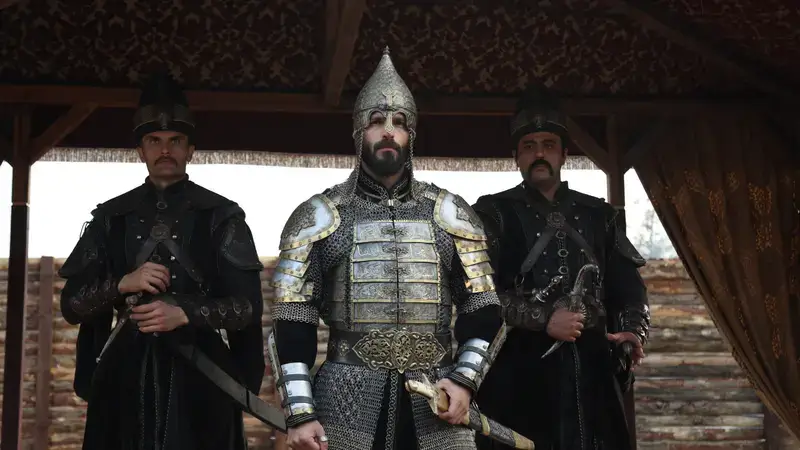
Mehmed Fetihler Sultanı Episode 61 Trailer 3 reveals rising tension as Sultan Mehmed prepares for a fiery confrontation, calling on divine strength while enemies close in. Emotional dialogues, battlefield prayers, and major character returns hint at a powerful and decisive new episode. Introduction The search intent for Mehmed Fetihler Sultanı Episode 61 Trailer 3 English Subtitle is a mix of informational (fans want explanations, translations, and analysis) and news-style updates (release info, what the trailer reveals, upcoming events).This article delivers both—clear translation, scene-by-scene analysis, character insights, and expert-style historical commentary. Episode 61 Trailer 3: English Subtitle Translation & Full Breakdown The newly released Trailer 3 for Episode 61 of Mehmed Fetihler Sultanı on TRT1 delivers a dramatic preview filled with spiritual intensity, looming war, and emotional character moments. Below is the full translated transcript and a detailed analysis of what each line reveals. Trailer 3 English Subtitle — Full Transcript Translation “Kana boyanacak.Türk’ün gazabıyla yanıp kül olacak.La fetta illa Ali seyfe illa Allah.Allah’ım, sen bu aciz Mehmet kulunu kâfire karşı mağlup ettirme.Allahu ekber. Ya Allah.” These opening words are spoken during a moment of deep spiritual resolve. Sultan Mehmed foresees a bloody confrontation and prays for divine assistance. “Türkmen’in anaç ruhu, Oğuz’un bereketli hatunu Sarea. Hoş geldin, sefa getirdin.”“Hoş bulduk.” This exchange reveals the return of Sarea, a respected Oğuz woman symbolizing wisdom and maternal protection over the Türkmen people. “Yorgu baruz.İşim bitti Yorgu.” A tense confrontation—likely involving Yorgu—suggests betrayal or unfinished conflict now reaching resolution. “Selamünaleyküm.”“Kolla biter.” This hints at soldiers gathering or preparing for battle. “Tünulu Hasan bugün maç kalı.”“Allahu ekber.” Tünulu Hasan, one of the fierce Alp-like warriors of the series, appears ready for combat or a crucial mission. “Mehmed Fetihler Sultanı özetsiz yeni bölümüyle yarın TRT1’de.” The promotional end confirms the premiere. Scene-by-Scene Analysis: What Episode 61 Trailer 3 Reveals 1. The Fire of War Approaches The line “Kana boyanacak” (“It will be drenched in blood”) sets the tone: Episode 61 will likely escalate into a major battle.The mention of “Türk’ün gazabı” highlights Ottoman might and the rising fury of the army. This aligns with historical moments when Sultan Mehmed II launched sudden, fierce counterattacks against enemies threatening newly conquered territories. 2. Sultan Mehmed’s Prayer: A Turning Point The powerful prayer: “Allah’ım sen bu aciz Mehmet kulunu mağlup ettirme.” is more than religious expression—it is a leadership moment showing humility and spiritual grounding. Historically, Fatih Sultan Mehmed often prayed before decisive battles, including before the final assault on Constantinople. 3. Return of Sarea: A Symbolic Anchor The return of Sarea, introduced as: “Türkmen’in anaç ruhu, Oğuz’un bereketli hatunu” suggests she will play a guiding role in tribal unity and political stability. Her presence may influence upcoming alliances or offer counsel in upcoming crises. 4. Yorgu’s Fate: A Silent Threat Ends The line: “İşim bitti Yorgu.”(“I am done with you, Yorgu.”) indicates a confrontation that may end an ongoing threat.Yorgu has been linked to Byzantine or rebel schemes—Episode 61 may finally close his arc. 5. Tünulu Hasan’s Rising Role Tünulu Hasan is highlighted again, suggesting: His appearance signals an action-heavy episode. 6. Mythic Battle Imagery The repeated “Allahu ekber” crescendos in the trailer, preparing the audience for a battlefield moment rich with intensity. The cinematography—dust, fire, marching soldiers—indicates Episode 61 will be visually powerful. What to Expect in Episode 61 1. Intense Warfare The prayer scene suggests either: 2. Political Shifts With Sarea returning, female political strength becomes a theme. 3. Character Resolutions Yorgu’s storyline appears close to ending. 4. Stronger spiritual themes The religious tone of Trailer 3 hints at: These are classic elements of Fatih Sultan Mehmed’s legacy. Short Timeline (Historical Context + Episode Placement) Year/Period Event (Historical Inspiration for Episode 61 Themes) 1451 Mehmed II becomes Sultan. 1453 (May) Conquest of Constantinople—the defining moment. 1453–1456 Consolidation, expansion, rebellions, European tensions. After 1456 Political alliances, internal challenges, power struggles—mirrored in current episode story arcs. People Also Ask (FAQs) Q1: What is the main theme of Mehmed Fetihler Sultanı Episode 61 Trailer 3? The trailer focuses on war preparation, spiritual strength, returning characters, and a looming confrontation led by Sultan Mehmed. Q2: Who is Sarea in Episode 61? Sarea is presented as a respected Oğuz woman symbolizing maternal wisdom among the Türkmen people, likely influencing political and tribal decisions. Q3: Will there be a major battle in Episode 61? The tone, prayer sequences, and war imagery strongly suggest a decisive battle or siege is coming. Q4: When will Episode 61 air? The trailer confirms:“Mehmed Fetihler Sultanı yeni bölümüyle yarın TRT1’de.”It airs tomorrow on TRT1.
Kurulus Orhan Episode 7 Trailer 2 in English Subtitles: Full Breakdown, Story Analysis & Hidden Clues
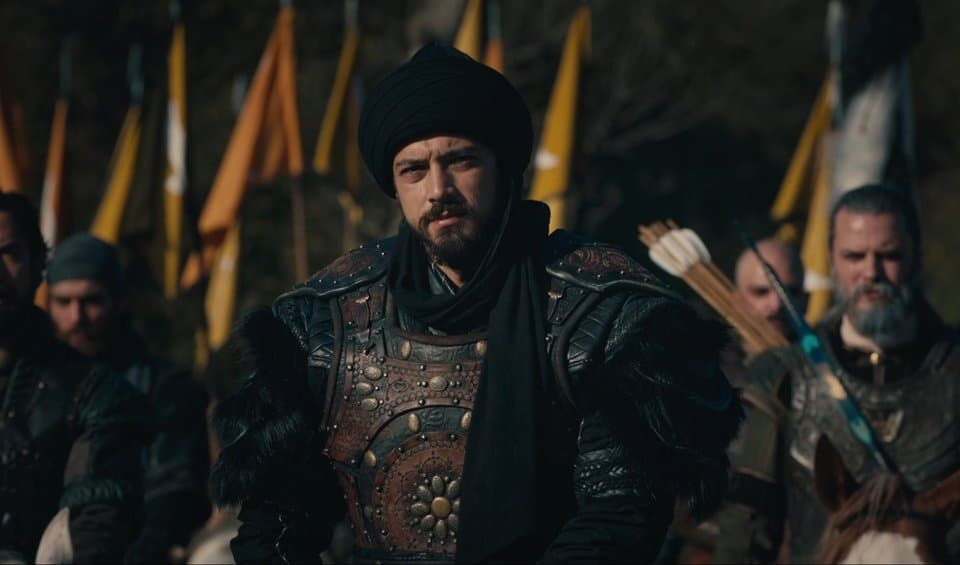
Kurulus Orhan Episode 7 Trailer 2 reveals rising tension between Orhan Bey, Byzantine forces, and secret factions inside Armodies Castle. The trailer hints at betrayal, an imperial hunt, emotional conflict, and a massive upcoming battle. Here is the full translation and breakdown. Episode 7 Trailer 2 Overview The newly released Kurulus Orhan Episode 7 Trailer 2 intensifies the political and emotional stakes. The pace is faster, the threats deeper, and the alliances far more fragile. The narrative continues to expand the early Ottoman frontier world—where tribal politics, imperial ambitions, and personal loyalties collide. In this second trailer, Orhan Bey, Halil, Hektor, and Byzantium’s hidden order all play critical roles. Armodies Castle becomes the battlefield where truth, betrayal, and destiny converge. Full Original Turkish Transcript of Trailer 2 Below is the complete Turkish dialogue exactly as heard in the trailer: Deep Story Analysis — What Trailer 2 Actually Reveals The Return of the “Blue Sacks” Mystery The reference to Mavi Çuvalyeler (Blue Sacks) is one of the most intriguing points. This Byzantine-coded faction seems tied to: Their presence inside Armodies Castle signals a brewing storm. 2. The Emperor Hunt A major revelation:The trailer confirms an active search for the Byzantine Emperor, dead or alive. This implies turmoil inside Byzantium and a possible imperial disappearance—something that could reshape alliances and threaten the frontier balance. 3. Orhan Bey’s Warning — “This is a trap” Orhan Bey’s line shows strategic maturity. He is cautious, aware that Byzantium and secret factions may lure them into a fatal move. This is a turning point in his character arc. 4. Emotional Conflict — Marriage Question The sudden dialogue: “Evlenecek misin onunla? – Will you marry her?” introduces a new emotional subplot involving Orhan, tribal politics, and marriage alliances. The line “They won’t give you to anyone except a Bey” shows honor, hierarchy, and internal tension. 5. Armodies Castle — The Battlefield of Destiny The line “Armodies’i onlara mezar edeceğiz” (We will make Armodies their grave) confirms that Episode 7 will feature: This castle will become the core of Episode 7’s conflict. Short Timeline of Events Year / Era Event 1299–1326 Rise of Osman Bey, foundation of the early state 1326 Orhan Gazi takes Bursa 1326–1335 Expansion against Byzantium, frontier castles rise in importance Episode Timeline Orhan Bey fights local Byzantine rulers, rogue factions, and castle governors like Armodies This timeline helps anchor viewers in the real historical backdrop of the series. FAQs 1. What is the main conflict in Kurulus Orhan Episode 7 Trailer 2? The conflict centers on Armodies Castle, the mysterious Blue Sacks, and a planned attack involving Orhan Bey, Byzantium, and an unknown imperial crisis. 2. Who is searching for the Byzantine Emperor? A Byzantine agent infiltrating the tribe claims he will find the Emperor, dead or alive, hinting at civil strife inside Byzantium. 3. Is there a marriage subplot for Orhan in Episode 7? Yes. The trailer introduces emotional tension involving marriage decisions that connect tribal honor, alliances, and personal responsibility. 4. Will Episode 7 feature a major battle? Yes. Multiple lines confirm a massive confrontation at Armodies Castle, including ambushes and a full army mobilization.
Watch Kuruluş Orhan Episode 7 English Subtitles – Full HD Online
Kuruluş Orhan Episode 7 English Subtitle — Orhan Bey’s Defining Test Begins The new era of the Ottoman story continues to unfold as Kuruluş Orhan Episode 7 English Subtitles prepares for release. This season marks the rise of Orhan Bey, the visionary who carries the legacy of his father Osman Ghazi while building the foundations of a future empire. Kurulus Orhan S1 Ep7 intensifies the political, emotional, and military struggles shaping the transition from tribe to state. As the shadow of the Bursa conquest grows, Kurulus Orhan Episode 7 Season 1 promises major conflicts, historic revelations, and unexpected alliances. Below is a complete guide covering the release schedule, trailer review, plot breakdown, historical facts, FAQs, and internal links to help viewers explore the Ottoman universe more deeply. Quality ▾ Source 2: 👉 Missed previous episode? Watch Kurulus Orhan Episode 6 English Subtitles. 👉 For all episodes, visit our Kurulus Orhan All Episodes English Subtitles. 👉 Next episode? Watch Kurulus Orhan Episode 8 English Subtitle 👉 Check Also: Mehmed Fetihler Sultanı Episode 61 English Subtitle Episode 7 Release Date, Time & Streaming Details The new episode will air first in Türkiye, followed by international translations. 📅 Official Release Schedule Viewer Note: The season marks the beginning of large-scale strategic expansion, focusing heavily on the Marmara region, the siege of Bursa, and the rivalry between Orhan and the Byzantine Tekfurs. Episode 7 Trailer Review — “The Fire of Conquest” Trailer 2 confirms that Kurulus Orhan episode 7 will be an episode of war, betrayal, and political storms. Several new conflicts prepare the stage for a difficult chapter in Orhan Bey’s journey. Key Plot Points of Episode 7 1. The Deadly Trap at Kite Castle The central focus of Orhan Ghazi Season 1 Episode 7 is the strategic ambush at Kite Castle (Kite Kalesi).Orhan Bey moves to cut the Byzantine supply route feeding Bursa. But Byzantine Tekfur has anticipated the attack and sets a trap. The trailer reveals: The episode revolves around whether Orhan’s strategic intelligence will be enough to turn this trap into an opportunity. 2. Holofira’s Emotional Battle While Orhan fights on the battlefield, Holofira faces an internal war. Her aunt pressures her into a marriage alliance with another Byzantine noble family—an attempt to secure political safety amid Ottoman expansion. Holofira must choose between: This subplot adds emotional depth and highlights the symbolic union between two civilizations. 3. The Germiyanids’ Challenge to Orhan The episode introduces a new political confrontation. The Germiyanid beys, a powerful Turkic principality, question Orhan’s maturity and leadership. A tense council scene is teased where: This political angle strengthens the realism and historical atmosphere of the show. Who Was Orhan Bey? Orhan Ghazi (1281–1362), son of Osman Ghazi, was the second ruler of the Ottoman Beylik. Under his leadership, the Ottomans transformed from a frontier tribe into a structured state. His reign included: He is remembered as the leader who turned Osman’s dream into a governing reality. Recap of Episode 6 Before Kurulus Orhan Season 1 Episode 7, here’s what happened in the previous episode: ✔ The Caravan Raid Orhan raided a massive gold shipment heading to Constantinople, destabilizing Byzantine financial plans. ✔ Alaeddin’s Injury Alaeddin Bey, Orhan’s brother and administrative partner, was wounded, creating leadership confusion inside the tribe. ✔ The Stolen Map A map showing weak points in Bursa’s walls was stolen, forcing Orhan to chase it before it reached the Tekfur. What Episode 7 Represents 1. The Decline of Byzantine Power By Orhan’s era, Byzantium controlled only a handful of cities in Anatolia—Prusa (Bursa), Nicaea (Iznik), and Nicomedia (Izmit). The shrinking empire made them desperate and aggressive, a dynamic shown strongly in the series. 2. Holofira → Nilüfer Hatun Holofira’s character is based on Nilüfer Hatun, the Byzantine noblewoman who married Orhan and became one of the most respected Ottoman figures. 3. Role of the Ahi Brotherhood The Ahi movement, a fraternity of craftsmen and scholars, shaped early Ottoman ethics and discipline. Their influence on Orhan as shown in the series is historically accurate. FAQs Q1: Is Kuruluş Orhan a sequel to Kuruluş Osman? Yes. The story continues directly after Kuruluş Osman, shifting focus from Osman to his son Orhan. Many veteran characters return, alongside a new generation of Alps and political rivals. Q2: Where can I watch Kuruluş Orhan Episode 7 in English Subtitles? You can watch in HD on: Subtitles typically release 4–6 hours after the episode airs. Q3: Does Orhan marry Holofira in real history? Yes. Holofira converts to Islam and becomes Nilüfer Hatun, mother of Murad I. She is central to Ottoman royal lineage. Timeline of Major Events in Orhan’s Era
Orhan Gazi: The Iconic Sultan Who Built a Legendary Empire
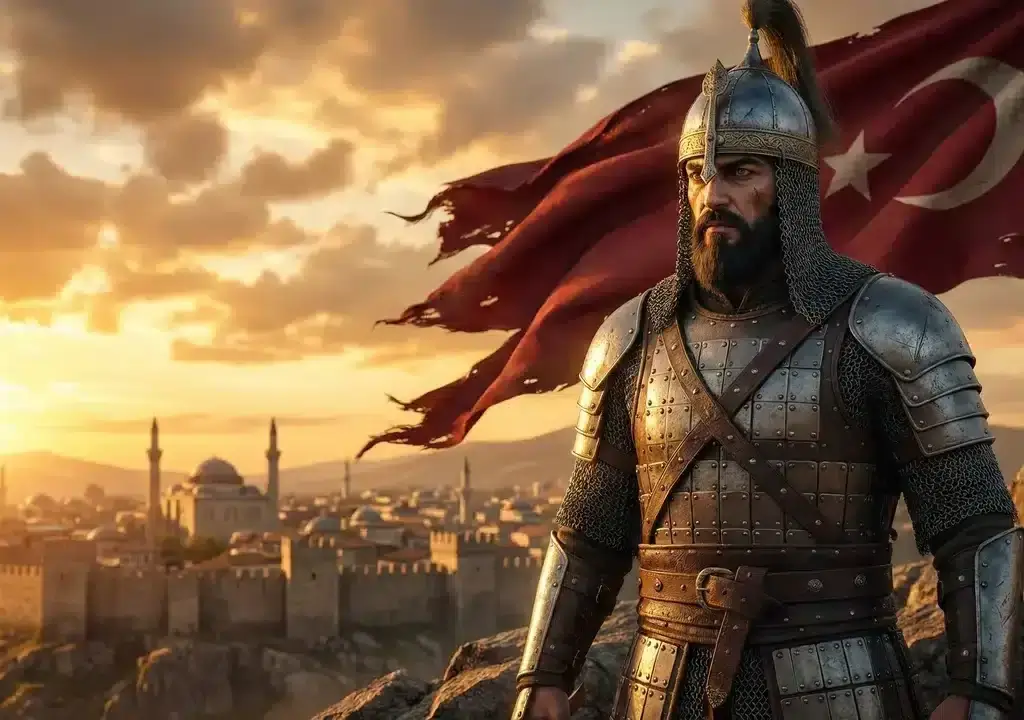
Orhan Gazi (1281–1362) was the second ruler of the Ottoman Empire and the son of Osman Bey. He is historically credited with transforming the Ottoman principality into a state by capturing Bursa, creating the first professional army (Janissaries), and minting the first Ottoman currency. He expanded the empire into Europe (Thrace). Fans can watch his dramatic rise to power in the full series available at kurulusorhan.io. Introduction: The Burden of a Legacy Imagine the weight of being the son of a legend. Osman Bey founded the dream, but it was his son, Orhan Gazi, who had to make it a reality. While history often focuses on the founder, Orhan was the architect who turned a nomadic tribe into a world power. For history enthusiasts and fans of Turkish dramas, Orhan’s story is one of strategy, patience, and romance. He wasn’t just a warrior; he was a master politician. Whether you are a student of history or a fan of the hit series Kuruluş Osman, understanding Orhan is key to understanding the Ottoman rise. Editor’s Note: The visual retelling of Orhan’s life is currently captivating millions. If you want to skip the reading and jump straight to the action, you can watch the full Orhan Gazi series here with English subtitles. Early Life: Forged in Fire Born around 1281 in Söğüt, Orhan did not have a luxurious childhood. He was raised in the saddle. His mother, Malhun Hatun, and his father, Osman Ghazi, ensured he was trained not just to fight, but to govern. Unlike other princes who waited in palaces, Orhan was appointed a commander at a young age. He led the siege of Karacahisar and played a pivotal role in the early battles against the Byzantine Tekfurs. Why the Tribes Chose Him When Osman Bey passed away in 1326, succession wasn’t guaranteed. However, Orhan’s brother, Alaeddin Pasha, famously declined the throne, stating that Orhan was the true warrior the state needed. This act of brotherhood prevented a civil war and allowed Orhan to focus entirely on expansion. The Conquest of Bursa: A New Capital The most defining moment of Orhan’s early reign was the fall of Bursa. The siege lasted nearly ten years—a testament to Orhan’s patience. He didn’t just attack the walls; he starved the city and cut off its supply lines. In 1326, the city surrendered. Orhan immediately: Want to see this siege unfold? The strategic mind of Orhan is brilliantly portrayed in the series. You can stream these pivotal episodes in high definition on kurulusorhan.io. Orhan’s Masterstroke: The Janissaries & Military Reform While his father relied on Alps (tribal volunteers), Orhan realized that to conquer castles, he needed a standing army. The Yaya and Müsellem He established the Yaya (infantry) and Müsellem (cavalry)—soldiers who were paid a salary and exempted from taxes. This was the grandfather of the famous Janissary Corps. This professional force allowed the Ottomans to fight year-round, unlike their enemies who had to return home for the harvest. This military discipline is a major theme in the TV series, showcasing how Orhan disciplined the wild tribes into a uniformed army. The Battle of Pelekanon (1329) If you only remember one battle, make it Pelekanon. This was the first time an Ottoman ruler faced a Byzantine Emperor (Andronikos III) directly on the field. Following this, Nicaea (Iznik) fell in 1331, and Nicomedia (Izmit) in 1337. The Kayi flag now flew over the most historic cities of the region. Crossing into Europe: The Vision Expands Orhan Gazi was the Sultan who bridged the continents. While many think the Ottomans entered Europe later, it was Orhan’s son, Süleyman Pasha, who captured the fortress of Tzympe and later Gallipoli in 1354. This move was controversial but brilliant. By intervening in Byzantine civil wars (supporting John V Palaiologos), Orhan secured a permanent foothold in Thrace. Historical Insight: Orhan married Theodora, the daughter of Emperor John VI Kantakouzenos. This marriage alliance is a fascinating plot point that highlights how diplomacy was as sharp as a sword in Orhan’s court. Love & Legacy: Orhan and Holofira (Nilüfer Hatun) No story of Orhan is complete without Holofira. The daughter of a Byzantine governor, her story is one of enemies-turned-lovers. The chemistry between Orhan and Holofira is a central hook for viewers of the drama series. Their relationship adds a layer of human emotion to the bloody history of conquest. To witness their full story arc, check out the episodes archive at kurulusorhan.io. Where to Watch Orhan Gazi Full Series (2025 Guide) Finding a reliable site to watch Turkish historical dramas can be frustrating. Many sites are loaded with pop-ups or have poor-quality translations. Why We Recommend kurulusorhan.io: Steps to Watch: Orhan Gazi Timeline People Also Ask (FAQs) Q1: How many years did Orhan Gazi rule? Orhan Gazi ruled for approximately 36 years (1326–1362). His reign is considered the period where the “tribe” became a “state.” Q2: Did Orhan Gazi kill his brother Alaeddin? No. Unlike later Sultans who practiced fratricide to prevent civil war, Orhan had a loving relationship with his brother Alaeddin Pasha, who served as his Grand Vizier. Q3: Is the Orhan Gazi series separate from Kuruluş Osman? Currently, Orhan’s story is the main focus of the later seasons of Kuruluş Osman. You can watch his character development from a child to a Sultan on kurulusorhan.io. Q4: Where is Orhan Gazi buried? He is buried in the Silver Tomb (Gümüşlü Kümbet) in Bursa, alongside his father Osman Ghazi.
Kuruluş Orhan Episode 7 Trailer English Subtitle
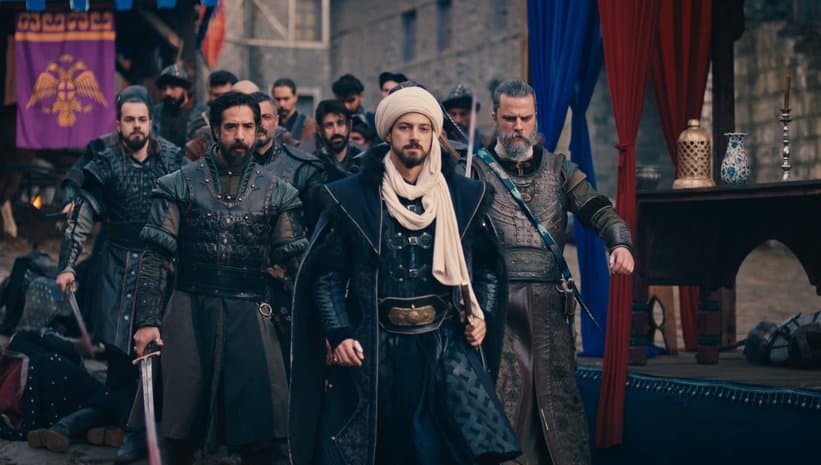
The Kuruluş Orhan Episode 7 Trailer English Subtitle reveals intense scenes of betrayal, brotherhood, and looming battles. Key dialogues show Orhan Bey preparing to confront hidden enemies, Flavus, and the Mabet Şövalyeleri, signaling a high-stakes episode filled with action and emotional drama. Kuruluş Orhan Episode 7 Trailer English Subtitle – Complete Analysis Episode 7 of Kuruluş Orhan escalates the conflict with powerful scenes that showcase loyalty, vengeance, and the rising leadership of Orhan Bey. The trailer features brutal confrontations, emotional tensions, and political traps designed to weaken the Kayı Tribe. The new footage—combined with your provided transcript—offers major clues about the direction of the season. Below is the complete breakdown, integrating every major line from the official trailer. Trailer opens with a warning about the Emperor The first line from the trailer immediately raises the stakes: “İmparatorun hayatı sana bağlı Orhan.”(“The Emperor’s life depends on you, Orhan.”) This shocking declaration indicates that Orhan Bey has become a critical figure in the political survival of the Byzantine Emperor. It hints at an upcoming rescue mission, hostage situation, or diplomatic operation that will reshape alliances. The next line reinforces unity: “Bu kardeşlik hepimize.”(“This brotherhood is for all of us.”) This shows that Orhan is not acting alone—his brothers-in-arms stand beside him. The Flavus Connection Reveals a Deep Betrayal The trailer continues: “Biz de Flavus’un peşinden gideceğiz.”(“We will follow Flavus.”) Flavus, a recurring antagonist, is now positioned as a mastermind behind a deadly setup. The next line makes the situation even more suspicious: “Bizi bu tertibe kim çektiyse bulup hesabını soracağız.”(“Whoever dragged us into this trap— we will find them and make them pay.”) This confirms a conspiracy targeting Orhan Bey, possibly orchestrated by internal traitors, Byzantine spies, or the Mabet Şövalyeleri. The Capture of Armodies – A Turning Point The trailer reveals a major twist: “Mabet şövalyeleri Armodies’i ele geçirmiş.”(“The Temple Knights have captured Armodies.”) This is a significant development because Armodies holds crucial intelligence that can either strengthen or destroy Orhan’s position. The warrior voice adds: “Kafalarını kopartmaya gitti.”(“He went to cut off their heads.”) This intense line hints at an upcoming brutal confrontation between Turkish Alps and the elite Temple Knights. Threat to Turkish Lands One of the strongest moments in the trailer comes from this powerful statement: “Türk’ün menzil bildiği topraklara tasallut olmak neymiş? Onlara en acılı şekilde göstereceğiz.”(“What does it mean to trespass on the lands Turks consider their dominion? We will show them in the most painful way.”) This sets the tone for a fierce counterattack, showing that Orhan Bey will defend Turkish sovereignty without hesitation. Confrontation With the Kayı Tribe Another crucial line signals a major plot shift: “Kayı beyiyle tanışmanın vakti geldi.”(“It is time to meet the Bey of the Kayı.”) This suggests that enemies—possibly Flavus, the Byzantine commanders, or the Mabet Knights—are preparing to confront Orhan Bey directly. The trailer then shows a chilling order: “Orhan’ın en yakınlarından birini getirin.”(“Bring me one of Orhan’s closest people.”) This implies: Dokuna & Akşara – Names From Orhan’s Past Two names appear: “Dokuna, Akşara, sizden çok korkarlardı.”(“Dokuna, Akşara—they feared you greatly.”) The mention of Dokuna and Akşara seems symbolic—likely referencing warriors known for their brutal strength, creating fear among enemies. Another line intensifies the emotional stakes: “Hiç kimseden de sizden nefret ettikleri kadar nefret etmezlerdi.”(“They never hated anyone as much as they hated you.”) This means the enemy is acting out of deep-rooted hatred toward Orhan’s closest men. Orhan Bey’s Vow of Revenge The trailer ends with Orhan Bey’s powerful oath: “Size bunu yapanların hesabını sormazsam bana da Orhan Bey demesinler.”(“If I do not hold those who did this accountable, do not call me Orhan Bey.”) This is the emotional core of Episode 7, marking the start of Orhan’s personal revenge arc. The music swells: [Müzik] [Müzik] signaling that Episode 7 will be a dramatic, cinematic milestone. What Episode 7 Will Likely Focus On 1. Orhan Bey attempts to protect the Emperor This storyline will push Orhan into political warfare. 2. Flavus sets a deadly trap The betrayal theme suggests internal and external enemies. 3. Armodies’ capture creates a new power imbalance Expect a rescue operation or execution attempt. 4. The Mabet Şövalyeleri become major threats Their brutality was emphasized in multiple lines. 5. Orhan vows revenge Setting the emotional tone for the next episodes. English Subtitle Release Update Fans searching for Kuruluş Orhan Episode 7 Trailer English Subtitle should know: People Also Ask (FAQs) 1. What is Kuruluş Orhan Episode 7 about? Episode 7 deals with betrayal, political traps, and Orhan’s vow of revenge after the Mabet Knights capture Armodies. 2. Who is Flavus in Episode 7? Flavus appears to be a key conspirator manipulating events behind the scenes. 3. Will Orhan Bey save the Emperor? The trailer suggests his involvement, but the outcome is kept mysterious. 4. When will Episode 7 English subtitles release? Within 24 hours after the official TRT release.