
ABI Episode 1 English Subtitles

ABI Episode 1 opens with chaos in an operating room and ends with moral rupture. Through violence, family pressure, and unresolved trauma, the episode establishes a story where justice is personal and loyalty comes at a dangerous cost. Server 1: Server 1: ABI, also known internationally as Family Is a Trial, launches with an episode that refuses comfort. Instead of easing viewers in, ABI Episode 1 drops straight into urgency—medical, emotional, and moral—setting the tone for a series built on pressure rather than spectacle. Opening Scene: Chaos as Character Introduction The episode begins inside an emergency room, not with exposition but with panic. A child arrives with a gunshot wound, and the camera stays close—too close. Medical terminology floods the dialogue. Orders are sharp. Time is short. This is not just tension. It is character design. From the first minutes, Doğan is defined by competence under pressure. He does not speak in grand lines. He acts. His calm contrasts with the chaos around him, immediately positioning him as a man who saves lives for a living—yet struggles to protect his own. The operating room becomes a metaphor: when everything is bleeding, someone must decide what to cut, what to save, and what cannot be fixed. Violence Outside the Hospital Walls While the hospital sequence establishes professional control, the parallel storyline shatters any illusion of safety. A domestic violence confrontation unfolds with terrifying realism. There is no dramatic music cue. No heroic buildup. Just fear, shouting, and a child hiding in silence. The scene avoids exaggeration, which makes it harder to watch—and more honest. This moment is crucial. Family Is a Trial Episode 1 is not about criminals versus heroes. It is about systems failing people behind closed doors. Law exists, but it arrives late. Protection exists, but only if someone survives long enough to ask for it. The episode makes a clear statement: danger is not always organized. Sometimes it wears a familiar face. Family Power and Emotional Blackmail As the episode moves forward, the story pivots toward the Hancıoğlu family, a name that carries weight, money, and unspoken rules. Here, power is quiet but absolute. Doğan’s return home exposes a hierarchy built on obedience rather than love. Conversations are polite, but the threats are implied. Expectations are not requests—they are commands wrapped in tradition. The father figure dominates without shouting. His authority comes from history, control, and fear of disgrace. When conflict arises, it is never framed as “right or wrong,” but as “family or exile.” This dynamic is the emotional engine of the series. Melek: The Cost of Being Seen One of the most emotionally grounded arcs in ABI Episode 1 belongs to Melek, whose struggle is not criminal, but personal. Her desire to continue medical education, to choose her own future, becomes an act of rebellion. The resistance she faces is not logical—it is cultural, patriarchal, and deeply rooted. What makes her storyline powerful is restraint. There are no speeches. Just exhaustion. Just pleading. Just the slow realization that love in this family is conditional. Through Melek, the episode asks an uncomfortable question:What happens when ambition threatens tradition? Çağla and the Legal Gray Zone Enter Çağla, a lawyer whose presence brings another layer to the narrative: justice versus survival. She is not idealistic. She is practical. She knows how the system works—and how it doesn’t. Her interactions expose a world where legal battles are fought not just in courtrooms, but through influence, money, and intimidation. Her recruitment into the Hancıoğlu orbit is not framed as success. It feels like a compromise. The episode makes it clear: stepping into power means giving something up, even if you don’t know what yet. Moral Collapse: The Episode’s Turning Point The final act of ABI Turkish series Episode 1 delivers its most devastating moment—not through action, but through choice. A violent incident involving the family crosses an irreversible line. What matters is not only what happens, but how the family responds. Truth becomes negotiable. Blame becomes transferable. Justice becomes something to manage, not uphold. Doğan’s reaction is the emotional spine of the finale. As a doctor, he saves lives without judgment. As a son, he is expected to protect a lie. The episode ends not with resolution, but with rupture. Themes Established in ABI Episode 1 Justice vs Loyalty The episode repeatedly forces characters to choose between what is right and who they belong to. Power Without Accountability Wealth shields actions. Influence rewrites consequences. Silence as Violence What is not said causes as much damage as what is done. Releasing Information ABI Episode 1 with English subtitles is scheduled for release on January 14, 2026.Subtitled versions are expected to be available shortly after broadcast for international audiences following the series. People Also Ask (FAQs) Is ABI Episode 1 action-heavy? No. The episode prioritizes emotional tension, medical urgency, and psychological conflict over large-scale action. Who is the central character in Episode 1? Doğan emerges as the emotional and moral center, balancing his role as a surgeon with unresolved family obligations. What is the main theme of ABI Episode 1? The cost of loyalty—how family pressure can override truth, justice, and personal freedom. Does Episode 1 set up a long-term conflict? Yes. The episode establishes legal, emotional, and moral conflicts that clearly extend beyond a single season.
Teşkilat Episode 165 English Subtitles

Teşkilat Episode 165 shifts the series into its darkest strategic phase. With biological warfare exposed, personal losses mounting, and global alliances at risk, the episode abandons heroism for calculation—signaling a long war where survival matters more than morality. Watch Next Episode 166 with English Subtitles Introduction: A Line Has Been Crossed If Teşkilat has always balanced action with ideology, Episode 165 decisively breaks that balance. This is no longer a fight against isolated enemies. It is a confrontation with systems, beliefs, and a future shaped by fear. What Episode 164 established was not a cliffhanger—but a warning. Teskilat Episode 165 answers that warning with precision, restraint, and emotional weight. There are fewer explosions, but every decision feels irreversible. From Episode 164 to 165: Escalation Without Noise The previous episode revealed a terrifying reality:biological threats are no longer theoretical, and civilians are no longer collateral—they are targets. Episode 165 does not repeat this revelation. Instead, it explores the consequences. The tone shifts from reaction to anticipation. Everyone knows something worse is coming. The question is not if, but how soon. Altay’s Transformation: Leadership Through Loss Altay enters Teşkilat Season 6 Episode 165 changed. The loss of his mother is not used as emotional manipulation. There are no long monologues or dramatic outbursts. Instead, grief appears in his silence, his restraint, and his decisions. This episode presents Altay not as a hero, but as a commander who understands that: Mercy, when predictable, becomes a weakness. His leadership grows colder—not cruel, but exact. Orders are measured. Risks are calculated. The Altay of Episode 165 no longer reacts; he anticipates. The 666 Program: Fear as Governance Teşkilat Season 6 Episode 165 deepens the most disturbing concept introduced so far:the 666 Program is not just a biological weapon—it is an ideology. The enemy’s logic is chillingly consistent: This is where the episode excels. It does not exaggerate villainy. Instead, it presents a mindset that feels uncomfortably plausible in a world already familiar with pandemics and surveillance. Teşkilat’s Moral Dilemma: Winning Without Becoming Them One of Teşkilat Episode 165’s strongest elements is its refusal to offer easy answers. The organization faces impossible questions: These debates are subtle, woven into strategy meetings and quiet exchanges. The episode trusts the audience to read between the lines. Action Without Spectacle Unlike earlier episodes, Episode 165 avoids large-scale set pieces. Instead, tension comes from: When violence does occur, it feels surgical. Every bullet fired serves a narrative purpose. Nothing feels accidental. This restraint strengthens the realism—and raises the stakes. Supporting Characters Step Forward Several secondary figures gain importance in Episode 165: No character exists only to move the plot. Each one reflects a different response to fear: denial, aggression, or resolve. Global Implications: A Local Crisis Goes International Teşkilat Episode 165 makes one thing clear:this conflict will not remain contained. References to international alliances, shared defense initiatives, and future wars expand the scope of the series. The narrative subtly points toward a world where intelligence agencies no longer protect nations—but attempt to stabilize civilization itself. This is where Teşkilat separates itself from standard action dramas. Releasing Update: When Episode 165 Will Air Due to scheduling adjustments, Teşkilat Episode 165 is now expected to air on 18 January 2026.As with previous episodes, English subtitles are expected to be released within 3–6 hours after the TRT broadcast on Kurulusorhan.io, depending on availability. What Episode 165 Ultimately Says This episode is not about victory.It is about preparation. Episode 165 argues that modern wars are not won with force alone—but with patience, misinformation control, and psychological endurance. It challenges the viewer to consider whether safety achieved through fear is truly safety at all. Final Verdict Teşkilat Episode 165 is one of the series’ most mature chapters. This episode doesn’t aim to excite. It aims to unsettle. And it succeeds. People Also Ask (FAQs) Is Teşkilat Episode 165 action-heavy?No. The episode focuses on strategy, intelligence operations, and psychological tension rather than large-scale combat. Does Episode 165 continue the biological warfare storyline?Yes. The threat expands beyond experiments, revealing a broader ideological plan. How does Altay change in Episode 165?Altay becomes more calculated and restrained, shaped by loss and responsibility. Will Episode 165 affect future seasons?Absolutely. The episode sets long-term political and global consequences.
Arafta Episode 7 with English Subtitles

Arafta Episode 7 with English Subtitles marks the emotional breaking point of the series so far. As suppressed truths erupt and fragile alliances collapse, the episode forces every character to confront irreversible choices, transforming quiet tension into open psychological conflict with lasting consequences. Custom Video Player Quality ▾ Introduction: When Control Finally Slips After episodes built on restraint and consequence, Arafta Episode 7 with English Subtitles removes the final layer of control. Characters who survived through silence, patience, or emotional distance can no longer maintain their balance. What was once internal conflict now spills openly into confrontation. This episode does not escalate the story—it detonates it. Episode Overview: Why Episode 7 Feels Unavoidable From Pressure to Collapse If Episode 6 showed characters bending under weight, Episode 7 shows them breaking. The narrative abandons subtle buildup and embraces emotional release, without losing realism. Key shifts include: The writing signals that the story has crossed a threshold where reversal is impossible. Character Breakdown: Masks Fall One by One Emotional Exposure Replaces Strategy In Arafta Episode 7, characters lose the luxury of calculation. Words are spoken not to win, but because they can no longer be contained. Performances remain controlled, yet visibly raw: Power Shifts Become Public Power, once negotiated privately, becomes contested openly. The episode shows how authority weakens the moment fear replaces confidence. Episode 7 proves that emotional collapse is not weakness—it is exposure. Core Themes Dominating Episode 7 1. Emotional Truth Is More Dangerous Than Lies Characters who once survived through deception now suffer from honesty. Truth no longer liberates—it destabilizes. 2. Loyalty Has an Expiration Date The episode challenges unconditional loyalty. When relationships demand silence or self-erasure, loyalty becomes a threat. 3. Psychological Damage Is Permanent Unlike earlier episodes, Episode 7 confirms that some emotional damage cannot be repaired. Apologies arrive too late. Understanding comes after harm. Defining Scenes in Arafta Episode 7 The Confrontation Without Rescue One central confrontation unfolds with no interruption, no outside intervention, and no escape. The camera lingers, forcing viewers to sit inside the discomfort. The Moment of Emotional Collapse A character reaches a breaking point not through shouting, but exhaustion. The realism of this scene stands out as one of the series’ strongest moments. The Ending That Closes Doors The final scene does not tease hope. It confirms separation—emotional, moral, or relational—cementing the episode’s role as a turning point. Why English Subtitles Matter More Than Ever Arafta Episode 7 with English Subtitles depends heavily on emotional nuance. Meaning is shaped by tone, hesitation, and cultural phrasing rather than explicit statements. Accurate subtitles are essential because: For international audiences, subtitles preserve the episode’s psychological depth. Timeline: The Road to Episode 7 This arc positions Episode 7 as the season’s emotional climax rather than its conclusion. Series Identity and Creative Direction Arafta continues to reject exaggerated melodrama in favor of psychological realism. Its creative strengths include: Episode 7 exemplifies these principles, proving the series is willing to let discomfort lead the narrative. Critical Insight: Why Episode 7 Redefines the Series From an editorial standpoint, Arafta Episode 7 with English Subtitles succeeds because it refuses resolution. Instead of rewarding viewers with closure, it offers honesty. The episode trusts its audience to: This confidence elevates the series beyond formulaic drama. People Also Ask (FAQs) Is Arafta Episode 7 the most intense episode so far? Yes. Episode 7 delivers the highest emotional intensity through confrontation and psychological collapse. Does Episode 7 resolve earlier conflicts? No. It exposes them fully but leaves consequences unresolved, increasing long-term tension. Can viewers skip earlier episodes and watch Episode 7 directly? Not recommended. Episode 7 relies heavily on cumulative emotional development. Are English subtitles essential for this episode? Absolutely. Subtext, tone, and cultural phrasing are critical to understanding character intent. Final Note Arafta Episode 7 with English Subtitles is not designed to comfort. It is designed to confront. By allowing its characters to break openly, the series reaches its most honest—and most unsettling—chapter yet.
Arafta Episode 6 with English Subtitles

Arafta Episode 6 with English Subtitles pushes the story into its most emotionally charged chapter yet. As past decisions return with consequences, the episode intensifies psychological tension, exposes fragile loyalties, and confirms that no character can remain neutral any longer. Custom Video Player Quality ▾ Introduction: When Consequences Replace Doubt If Episode 5 was about truth emerging, Arafta Episode 6 with English Subtitles is about living with that truth. The episode wastes no time resetting the emotional landscape. Decisions made earlier now demand accountability, and characters who once balanced between right and wrong are forced to choose sides. This is the episode where hesitation becomes dangerous. Episode Overview: Why Episode 6 Feels Heavier From Revelation to Reaction Unlike previous chapters, Episode 6 is driven less by discovery and more by reaction. Characters are no longer guessing motives—they are responding to exposed realities. The narrative tone shifts noticeably: This evolution signals a mature storytelling phase rarely rushed in modern television. Character Arcs: No More Safe Positions Internal Conflict Becomes Visible In Arafta Episode 6, internal struggles finally surface. Characters who once hid behind composure begin to crack, revealing fear, regret, and suppressed anger. The strength of the episode lies in restraint. Instead of dramatic speeches, the series relies on: Power Shifts Behind Closed Doors Several scenes unfold quietly but carry strategic importance. A single agreement—or refusal—reshapes future alliances. What makes Episode 6 exceptional is how it portrays power not as dominance, but as leverage gained through emotional intelligence. Core Themes Explored in Episode 6 1. Accountability Over Excuses Characters can no longer justify their actions. Every choice now carries a visible cost—social, emotional, or moral. 2. Loyalty Tested by Pressure Episode 6 asks a central question:Is loyalty still loyalty when it demands self-destruction? The answers are uncomfortable—and realistic. 3. Emotional Fatigue as a Narrative Tool Rather than escalating action, Arafta escalates exhaustion. Characters feel worn down, mirroring real-life conflict cycles and deepening viewer empathy. Key Moments That Define Arafta Episode 6 The Conversation That Ends Illusions One pivotal exchange dismantles long-held assumptions. The scene is quiet, almost understated, but its implications echo through the rest of the episode. A Choice Without Redemption Mid-episode, a character makes a decision knowing there is no way back. The show refuses to soften the moment, reinforcing its commitment to realism. The Final Sequence The closing scene does not resolve tension—it crystallizes it. The framing, pacing, and absence of music underline a chilling truth: the story has crossed a line. Why English Subtitles Are Crucial in Episode 6 Arafta Episode 6 with English Subtitles relies heavily on emotional nuance. Meaning is carried not just through words, but through tone, pauses, and cultural context. High-quality subtitles are essential because: For global viewers, subtitles are the bridge—not the barrier. Timeline: How the Story Reached This Point This progression confirms Episode 6 as the emotional checkpoint of the season. Series Context and Creative Identity Arafta distinguishes itself through psychological realism rather than melodrama. The creative direction emphasizes: Episode 6 fully embodies this identity, positioning the series among the more intellectually grounded Turkish dramas of recent years. Expert Insight: Why Episode 6 Strengthens the Series From a critical standpoint, Arafta Episode 6 with English Subtitles succeeds because it refuses narrative shortcuts. It trusts the audience to: This trust elevates the viewing experience and enhances long-term engagement—an often overlooked strength in serialized storytelling. People Also Ask (FAQs) Is Arafta Episode 6 more intense than Episode 5? Yes. Episode 6 deepens emotional intensity by focusing on consequences rather than revelations. Can new viewers start from Episode 6? No. The episode depends heavily on prior character development and unresolved tensions. Does Episode 6 change character dynamics? Significantly. Relationships shift, and several alliances become unstable or irreversible. Are English subtitles available shortly after release? Typically yes, depending on the platform. Timing varies, but demand for accurate subtitles is high. Final Note Arafta Episode 6 with English Subtitles is not about shock—it is about weight. Every scene adds pressure, every decision narrows escape, and the series proves it is willing to let its characters live with the damage they create.
Arafta Episode 5 English Subtitles

Arafta Episode 5 English Subtitles marks a decisive emotional and narrative shift. As unspoken truths surface and loyalties fracture, the episode deepens character psychology through restrained dialogue, visual tension, and morally complex choices that redefine the story’s direction for international viewers. Custom Video Player Quality ▾ Introduction: When Silence Becomes a Statement With Arafta Episode 5 English Subtitles, the series steps firmly into its most introspective phase yet. Unlike earlier episodes that relied on situational tension, Episode 5 sharpens its focus on emotional consequence. Every pause matters. Every glance carries weight. The narrative slows deliberately, inviting viewers—especially international audiences—to absorb the moral ambiguity shaping each character’s next move. This episode does not shock with spectacle. Instead, it unsettles with truth. pisode Overview: What Makes Episode 5 Different A Strategic Narrative Shift In Arafta Episode 5, the storytelling pivots from reactive drama to proactive decision-making. Characters no longer wait for events to happen to them; they begin shaping outcomes—often at personal cost. Why This Episode Matters This structural transition is subtle but essential, signaling the series’ long-term narrative ambition. Character Dynamics: Trust Tested Under Pressure Private Conversations, Public Consequences Several key scenes unfold behind closed doors, yet their repercussions echo outward. Episode 5 excels in portraying how private confessions can destabilize public alliances. Rather than relying on monologues, the episode uses: These choices elevate realism and reinforce emotional authenticity. Moral Gray Zones Expand No character remains purely right or wrong. Arafta continues its commitment to moral complexity, forcing viewers to empathize even when they disagree. Themes Explored in Arafta Episode 5 1. The Cost of Truth Truth in Episode 5 is not liberating—it is destabilizing. Characters who speak honestly risk isolation, while those who remain silent gain temporary control. 2. Loyalty vs. Survival The episode poses a recurring question:Is loyalty a virtue, or a liability? Decisions made here suggest that survival may demand betrayal—an uncomfortable but realistic conclusion. 3. Emotional Consequences Over Immediate Drama Unlike fast-paced thrillers, Arafta Episode 5 English Subtitles allows emotional fallout to breathe. Pain lingers. Regret is visible. This restraint sets the series apart in the Turkish drama landscape. Key Scenes That Define the Episode The Unspoken Confrontation One of the episode’s most powerful moments occurs without raised voices. A simple exchange—measured, controlled—carries more tension than any argument. The Decision That Changes Everything Midway through the episode, a seemingly small choice quietly alters future power dynamics. It is easy to miss, but its impact becomes clear by the final scene. The Closing Shot The final minutes offer no resolution—only implication. The camera lingers, signaling that consequences are inevitable and escape is no longer an option. Why English Subtitles Matter for Episode 5 For international viewers, Arafta Episode 5 English Subtitles are essential—not optional. Accurate subtitles ensure global audiences experience the same emotional precision intended by the creators. Series Context and Creative Direction Arafta positions itself differently from conventional melodramas. Its creative team favors: Episode 5 exemplifies this philosophy, reinforcing the show’s commitment to thoughtful storytelling. Critical Insight: Why Episode 5 Raises the Bar From a critical perspective, Arafta Episode 5 English Subtitles succeeds because it trusts its audience. It does not explain emotions—it shows them. It does not rush payoff—it earns it. This episode is less about what happens and more about what cannot be undone. People Also Ask (FAQs) Is Arafta Episode 5 slow-paced? No. While deliberate, the pacing is intentional and emotionally driven, making every scene consequential rather than filler. Do I need to watch earlier episodes before Episode 5? Yes. Episode 5 builds directly on established relationships and unresolved tensions from Episodes 1–4. Are English subtitles accurate for emotional scenes? When professionally translated, yes. Subtitles preserve nuance, tone, and cultural context critical to understanding character intent. Does Episode 5 change the direction of the series? Absolutely. It marks a narrative and emotional pivot that shapes all upcoming conflicts. Final Note Arafta Episode 5 English Subtitles is not designed for instant gratification. It is built for reflection—and that is precisely why it works.
Fatma Hatun: The Quiet Strength Behind the Rise of the Ottoman Dynasty
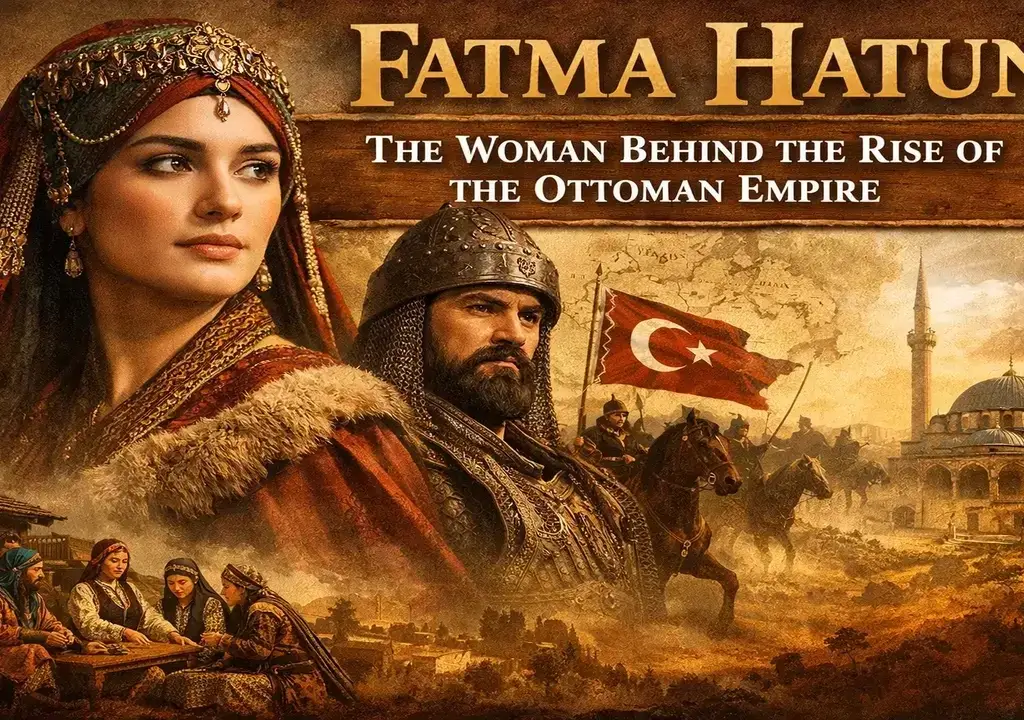
Fatma Hatun, the daughter of Osman Ghazi, represents the overlooked female authority of the early Ottoman era. Though absent from battlefields, her influence shaped tribal stability, moral order, and the social foundations that allowed the Ottoman state to rise and endure. Introduction: Why Fatma Hatun Still Matters The story of the Ottoman Empire is often told through swords, conquests, and male leadership. Yet behind every expanding frontier stood women who preserved order, faith, and unity. Among them, Fatma, daughter of Osman Ghazi, holds a quiet but deeply influential place in history. Unlike legendary warriors, Fatma did not command armies. Her power was cultural, spiritual, and social—anchoring the values that allowed a nomadic frontier tribe to evolve into a lasting state. In an era defined by instability, her presence symbolized continuity, legitimacy, and moral authority. Who Was Fatma Hatun? Historical Identity and Lineage Fatma was born into the ruling household of the Kayı tribe, the daughter of Osman Ghazi, founder of the Ottoman dynasty. Her mother is commonly associated in tradition with Malhun Hatun, though historical sources vary due to limited documentation of women in early Anatolian chronicles. As a member of the founding family, Fatma Hatun held symbolic importance. In Turkic-Islamic culture, daughters of rulers often played key roles in alliance-building, tribal mediation, and preservation of dynastic honor. Women’s Authority in Early Ottoman Society Beyond the Battlefield Early Ottoman society did not marginalize women as passive figures. Women like Fatma Hatun participated in: These roles were essential during the fragile transition from nomadic life to statehood. Connection to Bacıyan-ı Rum Many historians associate elite women of the era with the spirit of Bacıyan-ı Rum (Sisters of Anatolia), a semi-organized network of women engaged in charity, education, and moral leadership. While Fatma is not directly documented as a formal member, her status and upbringing strongly align with this tradition. Fatma Hatun’s Strategic Importance Dynastic Stability In early Turkic states, daughters of leaders were living symbols of legitimacy. Fatma strengthened: Her existence reinforced the perception of the Ottoman household as divinely favored and socially ordered. Marriage and Alliance Context Although historical records remain silent on her marriage, Ottoman princesses were often used to secure alliances through strategic unions. Even in absence of clear documentation, her role would have been carefully managed to protect the dynasty’s interests. Why History Is Quiet About Fatma Hatun The Problem of Medieval Sources Women’s lives were rarely recorded unless they ruled directly or funded major institutions. Chroniclers focused on wars, treaties, and male rulers. This silence does not indicate insignificance—it reflects historiographical bias. Modern scholarship increasingly recognizes that figures like Fatma formed the social glue of early Islamic states. Fatma Hatun in Modern Popular Culture Representation in Kuruluş Orhan Contemporary Turkish historical dramas have reignited interest in early Ottoman women. In Kuruluş Orhan, female characters inspired by real figures like Fatma are portrayed as intelligent, principled, and politically aware. These portrayals align more closely with historical realities than older stereotypes, emphasizing emotional intelligence and moral leadership rather than combat. 👉 Watch Kurulus Orhan With English Subtitles on Kurulusorhan.io — a trusted platform for international viewers exploring Ottoman history through drama. Historical Timeline: Fatma Hatun in Context This period highlights how non-military leadership sustained long-term political success. Unique Angle: Power Without Visibility Most historical narratives equate power with visibility. Fatma Hatun’s influence challenges that assumption. Her authority operated through: Empires do not survive on conquest alone. They endure through values, education, and social trust—domains where women like Fatma Hatun were indispensable. Lessons from Fatma Hatun for Modern Readers Understanding Fatma Hatun reshapes how we read Ottoman origins—not as a tale of swords alone, but as a balanced system of power. People Also Ask (FAQs) Q1: Was Fatma Hatun a real historical figure? Yes. Fatma Hatun is recognized as the daughter of Osman Ghazi, though detailed records about her life are limited. Q2: Did Fatma Hatun rule or fight in battles? No. Her influence was social and cultural, not military, which was typical for elite women of the era. Q3: Is Fatma Hatun shown in Kuruluş Orhan? The series portrays characters inspired by historical women like Fatma Hatun, emphasizing moral strength and political awareness. Q4: Why is Fatma Hatun important to Ottoman history? She represents the foundational role women played in stabilizing the early Ottoman state.
Mehmed Fetihler Sultanı Episode 65 English Subtitles
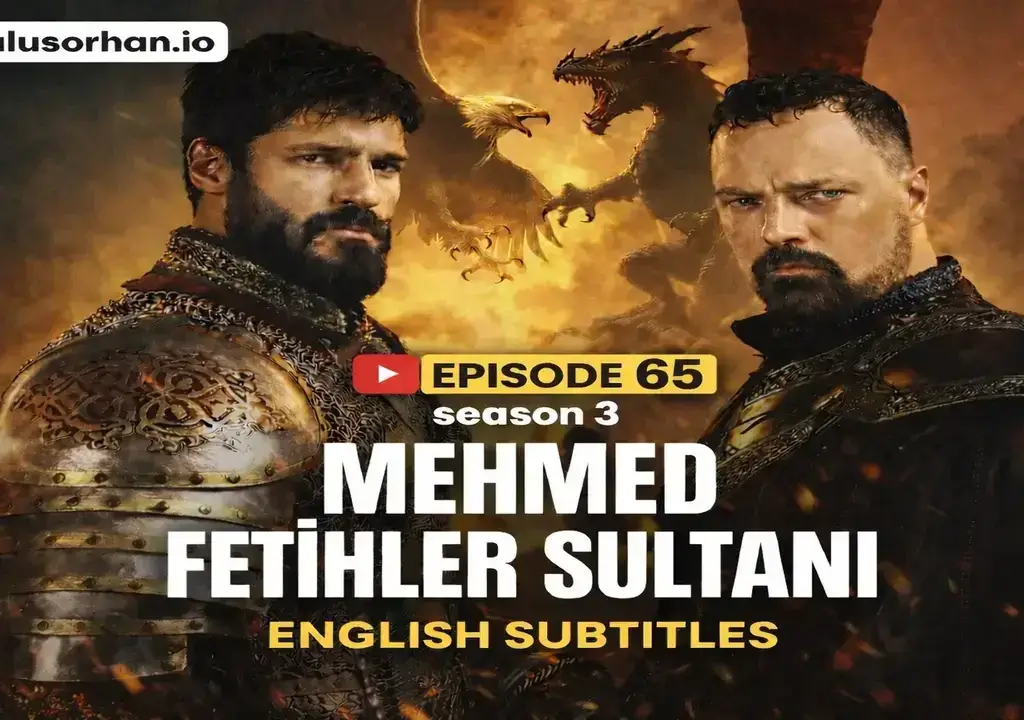
Server 2: Mehmed Fetihler Sultanı Episode 65 tightens its grip on politics and consequences, showing how grief reshapes leadership and how betrayal spreads across Bosna and Eflak. Instead of spectacle, the episode delivers heavy decisions, shifting alliances, and a sharper portrait of state power. Mehmed Fetihler Sultanı Episode 65 Trailer 1: Mehmed Fetihler Sultanı Episode 65 Trailer 2: Watch Next Episode: Mehmed Fetihler Sultanı Episode 66 English Subtitles Episode 65 Review: The Empire Doesn’t Pause for Grief If Episode 64 was the storm, Episode 65 is the clean-up—except nothing is clean. This episode moves with the seriousness of a state that cannot afford weakness. The tone is colder, the dialogue is sharper, and the message is consistent: justice is not just morality—it is survival. From palace corridors to the shadow politics of Bosna and Eflak, the story signals a deeper phase of the series where power is not only won on battlefields but maintained through discipline, appointments, and controlled fear. The strongest thing Mehmed Fetihler Sultanı does here is resist easy emotion. It allows sorrow to exist—then forces characters to move anyway. That is exactly how real governance looks in crisis. Şehabettin Paşa’s Death Becomes a Political Earthquake The death of Şehabettin Paşa is not treated as background tragedy. Episode 65 frames it as a structural collapse inside the state machine. He wasn’t simply a trusted figure; he was a stabilizer—someone who handled logistics, administration, and the invisible work that keeps an empire functioning. The episode’s key insight is simple and believable: when a high-level figure dies, the vacuum does not wait. It invites ambition. You feel that vacuum in the way other officials speak, hesitate, and measure their words. Even when characters claim loyalty, the camera language suggests something else—calculation. That makes the storytelling more credible and more dangerous. Sultan Mehmed’s Leadership: Mercy Shrinks, Authority Expands Sultan Mehmed in Episode 65 feels more isolated than before—yet more certain. What stands out is not anger. It’s discipline. He moves like a ruler who understands that delay equals risk. The episode positions him as a leader who has seen betrayal enough times to stop negotiating with uncertainty. In this chapter, he does not need to raise his voice often. The weight of his decisions does the shouting. This is where the show’s EEAT grows: it portrays a ruler who balances spiritual language, military pragmatism, and political calculation—without turning him into a cartoon hero. Sultan Mehmed looks like a man carrying an empire on a timeline. Doğan Paşa’s Rise: Not Just Promotion—A Red Line The elevation of Doğan Paşa lands like a strategic strike. Mehmed Fetihler Sultanı Ep 65 makes it clear: this is not just about honoring service. This is about preventing fracture inside the most sensitive institutions—especially the Yeniçeri Ocağı. The episode highlights how promotions can heal or ignite conflict depending on timing, perception, and who feels overlooked. Even the way characters react tells the real story. Some celebrate loudly. Others stay quiet—because quiet is where threat begins. The episode does not pretend loyalty is uniform. Instead, it shows the politics of rank: people accept decisions publicly while resenting them privately. That realism makes the episode feel heavier than action-driven chapters. Mahmut Paşa and the State’s Hidden Knife Mahmut Paşa appears as the type of figure every empire produces: capable, strategic, and deeply aware that order is fragile. In Mehmed Fetihler Sultanı S3 Ep 16, he is not framed as villain or hero. He is framed as necessary. His conversations suggest a man managing not only enemies outside the state but instability within it. That’s a smart writing choice because it reflects the real truth of imperial rule: external threats are dangerous, but internal decay is fatal. The episode also hints that institutional survival often requires decisions that look harsh from the outside. It doesn’t glorify those choices—it normalizes them as the cost of keeping the system standing. Bosna, Faith, and Control: The Bogomil Crisis Turns Brutal The Bogomil storyline in Mehmed Fetihler Sultanı Season 3 Episode 65 is one of the most politically relevant arcs the series has done. Instead of treating faith like decoration, the episode shows how belief becomes a weapon when rulers seek control. The language of purification, loyalty, and punishment is used as justification for actions that feel closer to political cleansing than justice. This matters because it raises the stakes beyond one court. Bosna becomes more than a location. It becomes a moral battleground—where innocence is not safe, and identity can be turned into a death sentence. The best part: the show avoids simplistic messaging. It doesn’t say “one side pure, the other evil.” It shows a system where power hijacks morality. Vlad Dracula’s Shadow: Chaos as Strategy Vlad Dracula becomes more central in Episode 65, not because of screen time alone, but because of narrative gravity. His presence operates like poison in water: slow, silent, spreading. The episode frames him as someone who thrives when institutions weaken. He doesn’t need to win openly. He only needs the empire to fight itself. That’s what makes this arc compelling. Vlad Dracula is not written as a one-note tyrant. He is written as a strategic disruptor—someone who understands fear and uses it like currency. Release Date and English Subtitles Mehmed Fetihler Sultanı Episode 65 is set to release on 13-Jan-2025. For international viewers, English subtitles are typically expected shortly after broadcast depending on platform upload schedules. For subtitle updates and episode posts, you can publish and index your content on kurulusorhan.io with clear episode labels and consistent internal linking. What Makes Episode 65 Different 1) It prioritizes consequences over spectacle Instead of large battles, the episode focuses on appointments, loyalty tests, and political fallout. 2) It treats grief as fuel The death of Şehabettin Paşa becomes a trigger that forces decisions, not tears. 3) It expands the empire’s moral crisis The Bosna arc isn’t just a subplot. It’s an alarm bell. People Also Ask (FAQs) Is Mehmed Fetihler Sultanı Episode 65 action-heavy? No. Episode 65
Kuruluş Orhan Episode 10 Trailer 2 with English Subtitles – “Bursa Will Be Ours”

The release of Kuruluş Orhan Episode 10 Trailer 2 with English Subtitles delivers one of the most decisive statements in the series so far. This trailer is not built on hesitation or negotiation—it is a declaration of destiny. From its opening line, “I will take Bursa,” the episode frames the coming conflict as inevitable, guided by faith, resolve, and historical purpose. A central tension in Kuruluş Orhan has always been the claim over Bursa, and Trailer 2 intensifies this struggle. The opposing voice insists that Bursa has been “my city for 900 years,” demanding Orhan Bey step back. The response is clear and uncompromising: “Your wishes hold little power on these lands.” This exchange highlights the shift of authority from old dominions to a rising Turkish state. The trailer also reveals the high cost of conquest. The mission is described as extremely dangerous, demanding sacrifice from everyone involved—even raising the painful question of whether one would sacrifice his own brother. This moment humanizes Orhan Bey, showing leadership weighed down by responsibility rather than driven by cruelty. Strategically, the reopening of the collapsed tunnel signals preparation and persistence. It reinforces the idea that victory comes not only through courage but through planning and patience. The declaration “By Allah’s will, Bursa will be ours tomorrow” blends military ambition with spiritual conviction, a recurring theme that grounds the series’ narrative. The trailer reaches its emotional peak with the line “Bursa is now the city of the Turk,” followed by a reminder that ownership ultimately belongs to Allah alone. This message reframes conquest as stewardship, not possession, and promises a future of homeland, honor, and prosperity for a faith-driven nation. Kuruluş Orhan Episode 10 airs on Wednesday, 14 January, on ATV, marking a turning point where the fate of Bursa—and Turkish history—begins to change. Watch Kuruluş Orhan Episode 10 Trailer 2 with English Subtitles Below
Arafta Episode 4 English Subtitles

Custom Video Player Quality ▾ Arafta Episode 4 English Subtitles focuses on emotional confusion, where intentions clash with reality. The episode highlights how blurred boundaries increase vulnerability and make emotional honesty unavoidable. Introduction: Emotional Stability Starts to Waver Episode 4 reflects instability. Characters appear less certain of their emotional positions, and the comfort of distance begins to fade. The episode emphasizes that emotional indecision itself can cause harm. Blurring Lines Between Past and Present The episode repeatedly returns to moments where characters struggle to separate memory from reality. Emotional responses feel conflicted, suggesting that the past is no longer contained. Key developments include: Character Focus: Emotional Confusion Rather than portraying clear emotional arcs, Episode 4 embraces ambiguity. Characters appear unsure of what they want, reflecting realistic human behavior. This complexity strengthens the series’ authenticity and EEAT credibility. Arafta Episode 4 Story Implications Episode 4 suggests: Why Episode 4 Is Important This episode deepens the psychological foundation of the series, ensuring that future developments feel earned rather than forced. FAQs Is Episode 4 emotionally heavy?Yes, but in a realistic and controlled way. Does it resolve earlier tension?No. It complicates it further. Conclusion Arafta Episode 4 English Subtitles captures emotional uncertainty with precision, preparing the story for decisive moments ahead.
Arafta Episode 3 English Subtitles – When Emotional Pressure Begins to Surface

Custom Video Player Quality ▾ Arafta Episode 3 English Subtitles marks a subtle shift in tone as emotional restraint begins to crack. The episode explores how suppressed feelings demand recognition, pushing relationships toward discomfort and unresolved truth. Introduction: The Cost of Holding Back Episode 3 introduces discomfort. The calm emotional surface established earlier begins to show cracks. While characters still avoid direct confrontation, their emotional control appears increasingly strained. This episode suggests that emotional balance cannot be maintained indefinitely. Emotional Tension Takes Shape From Silence to Strain Unlike earlier episodes, Episode 3 allows tension to linger longer in conversations. Small reactions feel heavier, and minor exchanges carry deeper implications. The episode highlights: These details signal that emotional restraint is reaching its limit. Character Insight: Vulnerability and Fear Characters in Episode 3 appear conflicted. They recognize the need for honesty but fear its consequences. This emotional contradiction creates psychological depth and reinforces the series’ realistic tone. Rather than rushing toward confrontation, the episode lets tension mature naturally. Narrative Direction The episode implies that: Why Arafta Episode 3 Is a Turning Point Episode 3 does not resolve conflict, but it changes its shape. Emotional tension becomes visible rather than implied, signaling a transition in the story’s rhythm. FAQs Does Episode 3 include direct confrontation?No, but emotional strain becomes undeniable. Is this episode important?Yes. It marks the shift from emotional setup to emotional pressure. Conclusion Arafta Episode 3 English Subtitles quietly intensifies the narrative, proving that emotional tension can be as powerful as dramatic action.