
Kurulus Orhan Episode 15 (English Subtitle)
Kurulus Orhan Episode 15 intensifies the conflict as Orhan Bey confronts internal betrayal, external alliances, and strategic threats around Bursa and Gemlik, setting the stage for an inevitable war that will reshape power across the frontier. Server 2: Kurulus Orhan Episode 15 Release Date & Where to Watch Kurulus Orhan Episode 15 is expected to release in 18 February 2026, continuing the series’ weekly broadcast schedule. The episode will premiere on Turkish television first, followed by English subtitles for international audiences shortly after release. Viewers looking to watch Kurulus Orhan Episode 15 with English Subtitles can stream the episode online by visiting kurulusorhan.io, where the series is regularly updated for global viewers. Bursa Under Control, But Not at Peace Although Bursa appears secure, the foundations of authority remain unsettled. Orhan Bey’s justice restores order, yet whispers of unrest continue beneath the surface. Merchants, envoys, and regional lords move cautiously, aware that the city’s future depends on who controls its gates, ports, and alliances. The episode highlights how governance extends beyond military strength. Trade agreements, social harmony, and public perception now matter as much as swords. Gemlik and the Strategic Chokehold The struggle for Gemlik becomes a central pressure point in Episode 15. Control of this port means dominance over supply lines and naval access. Orhan Bey’s vision threatens rival powers who rely on maritime leverage to survive. Opposing leaders understand this reality well. Their response is not immediate war, but coordinated resistance through proxies, envoys, and calculated delays. Asporça, Flavius, and the Architecture of Chaos Episode 15 deepens the danger posed by Asporça and Flavius, figures who thrive on manipulation rather than open battle. Their objective is simple: isolate Orhan Bey before swords are drawn. By exploiting rival beyliks and encouraging mistrust, they aim to weaken Orhan’s unity. The episode makes clear that the most lethal attacks are not launched on battlefields, but inside councils and negotiations. Marriage, Loyalty, and Political Risk Personal relationships become political weapons in Episode 15. Marriage proposals are no longer private matters; they are instruments of statecraft. Orhan Bey’s refusal to compromise core principles signals that not every alliance is worth its price. This choice strengthens his moral authority but increases the hostility of those who expected submission disguised as unity. Internal Betrayal: The Enemy Within Perhaps the most unsettling element of Episode 15 is the growing suspicion that betrayal may come from within Orhan’s own circle. Intelligence leaks, perfectly timed ambushes, and enemy foresight raise unsettling questions. The episode carefully builds tension around trust, reminding viewers that leadership demands vigilance not only against declared enemies, but against familiar faces. The War Council Forms By the episode’s end, it becomes evident that diplomacy has reached its limit. Orhan Bey begins aligning forces, preparing strategies, and assigning roles for an inevitable confrontation. This is not reckless aggression. It is calculated defense. Episode 15 marks the transformation of tension into preparation, signaling that peace will soon be replaced by decisive action. Why This Moment Matters Historically, the consolidation of Bursa and control over Gemlik represented a turning point for early Ottoman expansion. The series mirrors this reality by showing how economic dominance often preceded military conquest. Episode 15 captures this transitional phase with striking accuracy, emphasizing strategy over spectacle. Timeline Snapshot People Also Ask (FAQs) Is Kurulus Orhan Episode 15 focused on war or politics? Episode 15 focuses on political strategy, alliances, and hidden threats that directly lead toward war. Why is Gemlik important in Episode 15? Gemlik controls maritime trade and military supply routes, making it vital for long-term dominance. Does Episode 15 confirm internal betrayal? It strongly suggests betrayal, though the full truth remains deliberately unresolved. Is Episode 15 a turning point in the series? Yes. It marks the shift from fragile peace to unavoidable conflict. When will Kurulus Orhan Episode 15 be released? Kurulus Orhan Episode 15 is expected to release in 18 February 2026, following the official weekly broadcast schedule. English subtitles will be available shortly after the initial airing. Where can I watch Kurulus Orhan Episode 15 with English subtitles? Viewers can watch Kurulus Orhan Episode 15 English subtitles online by visiting kurulusorhan.io, where the series is regularly updated for international audiences.
Mehmed Fetihler Sultanı Episode 70 (English Subtitles )
Mehmed Fetihler Sultanı Episode 70 deepens the Bosna campaign as Sultan Mehmed II consolidates power, disciplines dissent, and exposes covert alliances. Political marriages, fractured loyalties, and military preparations collide, setting the stage for an unavoidable imperial confrontation. SOURCE 1 : SOURCE 2 : SOURCE 3 : Episode 70 Release Information Mehmed Fetihler Sultanı Episode 70 is scheduled to air on TRT1 in 17 February 2026, continuing the series’ weekly broadcast cycle. International viewers who want to watch Mehmed Fetihler Sultanı with English Subtitles can stream the episode shortly after release by visiting kurulusorhan.io, where the ongoing series is available for global audiences. Release Update: The release date of Mehmed Fetihler Sultanı Episode 70 has been officially revised. The episode was earlier expected to air on 17 February 2026, but has now been rescheduled to 24 February 2026. Viewers can expect the episode to follow the same broadcast pattern, with English subtitles becoming available shortly after the official airing. Mehmed Fetihler Sultanı Episode 70 Trailer With English Subtitles Episode 70 Overview: A State That Moves Before It Strikes In Mehmed Fetihler Sultanı Episode 70, the narrative sharpens into something colder and more deliberate. Sultan Mehmed II (Fatih Sultan Mehmet Han) reminds friend and foe alike that the state does not advance by chance. Every road, every appointment, and every delay is calculated long before the first sword is drawn. The episode functions as a pure preparation chapter. Bosna is no longer a distant objective; it becomes the axis around which politics, marriages, military logistics, and betrayals revolve. Unlike earlier episodes driven by reaction, Episode 70 shows an empire moving with intention. Mahmut Paşa’s Rise and the Meaning of Authority One of the defining arcs of Episode 70 is the elevation of Mahmut Paşa. His appointment is not merely administrative; it is symbolic. Sultan Mehmed II makes it clear that the state survives on discipline rather than sentiment. Mahmut Paşa’s place beneath the kubbe altı signals a phase where loyalty outweighs lineage and merit outweighs comfort. This decision quietly unsettles entrenched interests. Türkmen beyleri sense a loss of influence, veteran commanders feel their autonomy shrinking, and silent rivals mistake patience for weakness. Episode 70 underlines a core Ottoman truth: authority is not shared, it is delegated—and withdrawn when necessary. Bosna: From Campaign to Destiny Bosna is no longer framed as a single expedition. In Episode 70, it becomes a civilizational fault line. Dialogue reinforces that the Bosna road may begin in the Balkans but could echo toward Rome and the Vatican. This reflects the historical reality of fifteenth-century Ottoman–Catholic rivalry, where territory signaled ideology as much as power. Within the episode, Bosna emerges simultaneously as a strategic buffer against Hungarian and Papal influence, a test of Ottoman unity, and a proving ground for the next generation of şehzades. The campaign is no longer debated; it is accepted as destiny. Şehzade Bayezid: The Weight of Inheritance Şehzade Bayezid becomes a silent center of gravity. His journey toward Ragusa raises alarms not because of distance, but because of timing. Sultan Mehmed II confronts the danger of exposing a prince to foreign manipulation, reminding his council that princes are not merely sons; they are living instruments of the state. The tension surrounding Bayezid reflects real Ottoman anxieties. European courts had long sought to weaponize royal bloodlines, and Episode 70 mirrors that historical fear with restraint rather than melodrama. Vlad, Morena, and the Psychology of Betrayal Mehmed Fetihler Sultanı Episode 70 continues the morally complex triangle involving Vlad, Morena, and Ottoman intelligence. Vlad is not portrayed as a simple villain. He is a ruler pulled between personal attachment, political survival, and the illusion of control. Morena becomes a form of emotional leverage, demonstrating how weakness of the heart can undo the strongest defenses. The episode delivers a quiet but chilling assertion: empires often fall faster from emotional miscalculation than from military defeat. The Grain Crisis and Silent Warfare A subtle yet decisive thread is the struggle over grain supplies. Episode 70 reframes food as a weapon. The precision with which Ottoman forces intercept shipments raises uncomfortable questions about leaks, intelligence failures, and internal compromise. This storyline reflects documented Ottoman doctrine, where economic disruption preceded open conflict. Hunger weakens alliances more reliably than steel. Political Marriage: Strategy Over Romance The marriage of Sultan Mehmed II is stripped of sentimentality. Mehmed Fetihler Sultanı Episode 70 presents marriage as policy. The Sultan’s reasoning is firm and historically grounded: marriage is not for pleasure, faith is protected through law, and stability outweighs personal desire. The portrayal aligns with Ottoman dynastic practice and Islamic jurisprudence, strengthening the series’ historical credibility. The Divan-ı Hümayun: Order Before War Mehmed Fetihler Sultanı Episode 70 devotes careful attention to the Divan-ı Hümayun. Before war comes order. The debates among sipahis, beyler, and paşas reveal deep unease. Prolonged delays drain morale, concerns over tımar obligations stretch resources, and quiet distrust simmers between Rumeli and Anadolu forces. Sultan Mehmed II ends this tension with a single principle: when the state calls, hesitation becomes treason. Why Episode 70 Matters From a historical lens, Episode 70 mirrors the months preceding the real Ottoman Bosna campaign of 1463. The series accurately captures coalition anxiety among Christian states, Papal financial pressure, and Hungarian involvement under King Matthias Corvinus. This grounding elevates the episode beyond drama into informed historical reconstruction. Road to the Bosna Campaign Following the conquest of Constantinople in 1453, the Ottomans consolidated the Balkans between 1459 and 1462. In 1463, the empire moved decisively into Bosna, triggering direct confrontation with Papal-backed coalitions. Mehmed Fetihler Sultanı Episode 70 sits precisely at the psychological midpoint before irreversible action. People Also Ask (FAQs) When will Mehmed Fetihler Sultanı Episode 70 be released? The episode is scheduled to air in 17 February 2026, with English subtitles available shortly after broadcast. Is Episode 70 focused on war or politics? Episode 70 prioritizes political consolidation, intelligence warfare, and strategic preparation rather than direct battlefield combat. Does Episode 70 confirm the Bosna campaign? Yes. The
Nilüfer Hatun: Byzantine Slave Who Mothered an Ottoman Sultan
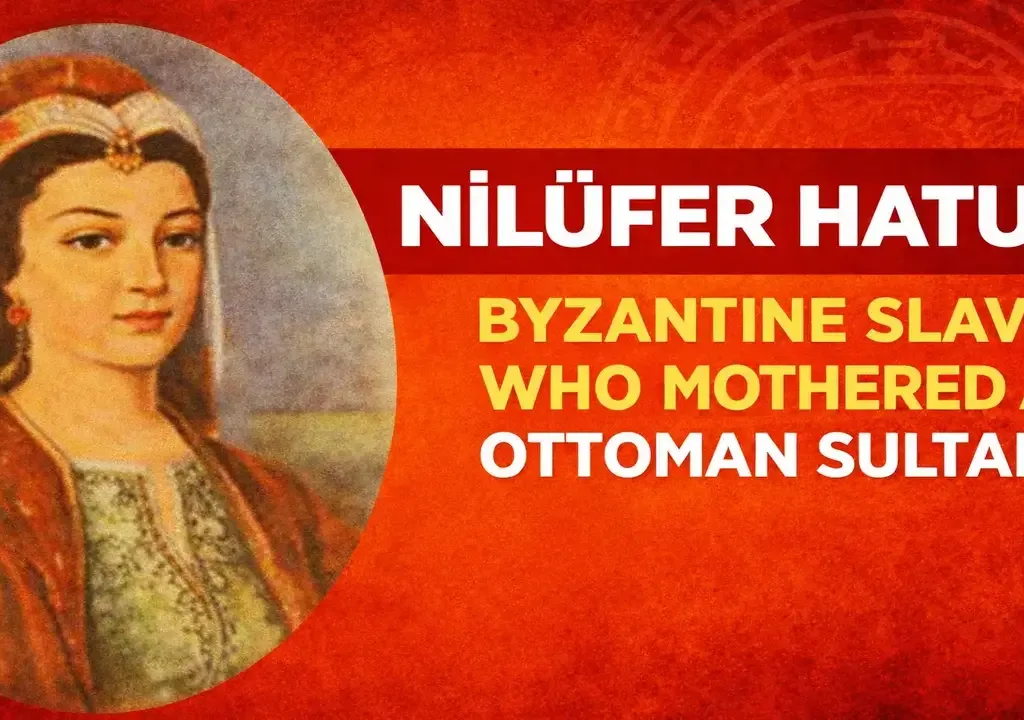
Reporters dig into dusty archives, and Nilüfer Hatun‘s name pops up as the first Christian-origin mother of a sultan. Captured young, she converted, bore Murad I, and shaped Ottoman growth. Her quiet power fueled conquests. Origins in Byzantine Twilight Nilüfer Hatun, born Holofira mid-1300s, hailed from Greek roots in Bithynia‘s shrinking Byzantine pockets. Legends claim her as daughter of Bilecik tekfur, but facts point to slave status. Osman Gazi‘s raids snared her around 1324–1325. Orhan Gazi, Osman‘s son and successor, took her into his Bursa harem. Renamed Nilüfer—”lotus flower”—she embraced Islam. No princess tale here; she bridged foes through marriage, a savvy Ottoman tactic. Chroniclers later gilded her story, mixing her with others like Asporça Hatun. Experts note this “ennobling” hid slave origins, protecting Murad I‘s prestige. Nilüfer adapted fast, gaining favor in a world where loyalty trumped birth. Life with Orhan Gazi Orhan wed her amid expansions. 1326 Bursa conquest made it capital; Nilüfer settled there. She bore Şehzade Süleyman (1316? Legends vary) and crucially Murad I in 1326. Post-1331, Orhan shifted them to Iznik for safety amid wars. Ibn Battuta visited Bursa 1331, praising Orhan‘s consort—likely Nilüfer or kin— for hospitality. She advised on diplomacy, easing Byzantine ties. Orhan captured Nicaea (Iznik) 1331, her new home amid tiles and mosques. Family thrived; Süleyman governed Karesi. Orhan died March 1362. Nilüfer‘s son Murad I ascended, making her first Valide Hatun—mother of reigning sultan—from slave roots. Milestone for Ottoman women. Who Was Nilüfer Hatun? Nilüfer Hatun (d. c.1363–1383), Greek-origin concubine of Orhan Gazi, converted to Islam as Holofira. Bore Murad I (1326), first Valide Hatun of slave descent. Built charities in Iznik; buried Bursa with Orhan. (41 words) Charity and Lasting Builds Nilüfer poured waqf funds into good works. She funded imarets (soup kitchens), hammams, caravanserais—18 structures total. 1388 Nilüfer Hatun Imareti in Iznik, built by Murad I, honored her: dervish convent turned Iznik Museum today. These fed poor, housed travelers, blending Byzantine craft with Islamic piety. Her endowments sustained Murad‘s Kosovo 1389 push. Unique angle: Nilüfer fused cultures, exporting Greek motifs to Ottoman tiles—rivals ignore this hybrid genius. She died Bursa, buried in Orhan Gazi Türbesi. Dates fuzzy: 1363–1383. Simple tomb belies impact. Family Ties and Myths Busted Nilüfer mothered Murad I definitively; Süleyman attributions wrong—born 1306 to Efendize Hatun. No daughters confirmed. Murad expanded to Balkans, crediting maternal waqfs. Myths merged her with Bilecik abduction 1299 (too early) or Bayalun. Modern scholars like Yavuz Bahadıroğlu clarify via chronicles. Her real power: quiet diplomacy amid fratricide risks. Timeline of Key Events Handy markers of Nilüfer Hatun‘s pivotal era. Nilüfer in Today’s Spotlights Turkish TV revives her. Kuruluş: Osman casts Ecem Sena Bayır as young Nilüfer (Holofira), tested by Malhun Hatun. New Kurulus Orhan series on ATV, starring Mahassine Merabet, shows her mothering Süleyman, Kasım, Murad amid conquests. Stream Kurulus Orhan with English Subtitles on kurulusorhan.io for raw Orhan Gazi drama. Check Kuruluş: Osman there too. People Also Ask (FAQs) Was Nilüfer Hatun Byzantine princess? No, Greek slave concubine renamed post-conversion. Legends exaggerated her as Bilecik lord’s daughter. Who was Nilüfer Hatun married to? Orhan Gazi, Osman‘s son; bore Murad I. First Valide Hatun from slaves. Where is Nilüfer Hatun buried? Orhan Gazi Türbesi, Bursa, beside Orhan. What did Nilüfer Hatun build? Iznik Imareti (1388), hammams, 18 charities via waqf. Now Iznik Museum.
Şehzade Bayezid: Son of Mehmed the Conqueror and Ottoman Heir Apparent
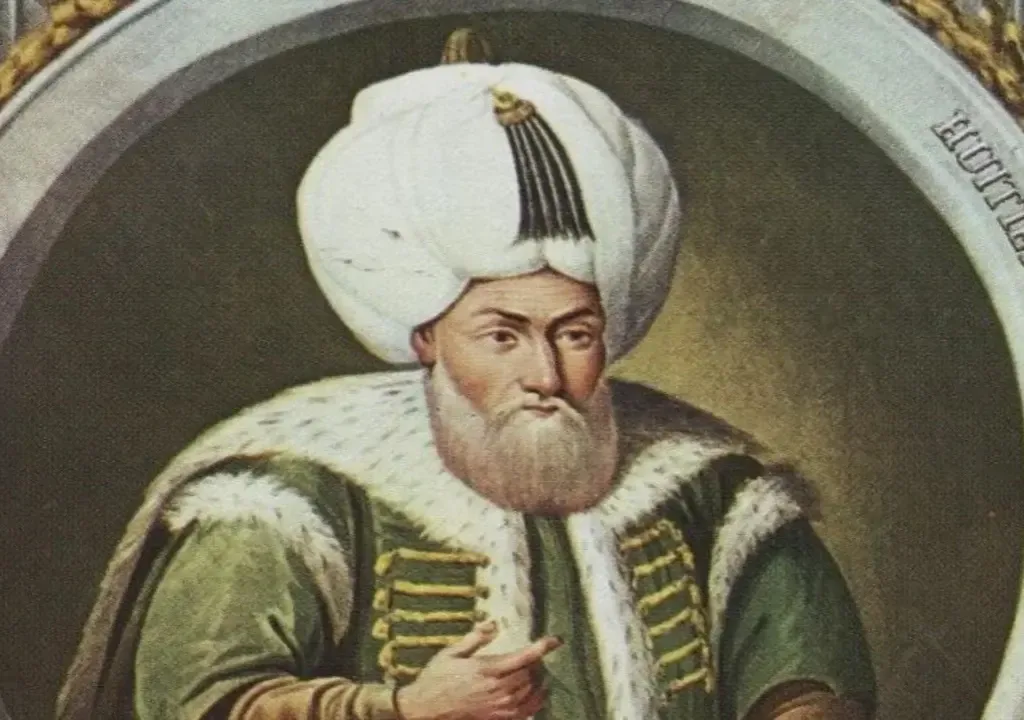
Şehzade Bayezid emerged from Mehmed II‘s shadow as a shrewd prince who clinched the Ottoman throne. Born amid conquests, he navigated deadly succession fights to rule as Bayezid II. His story reveals empire-building grit and family betrayals. Birth and Upbringing in Empire’s Heart Şehzade Bayezid arrived around 1447–1448 in Demotika (now Dimitrovgrad, Bulgaria), first son of Sultan Mehmed II—the Conqueror of Constantinople—and concubine Gülbahar Hatun. Edirne Palace cradled his early years during Mehmed‘s epic pushes into Europe. Tutors drilled Islamic law, poetry, and strategy into the boy. By age 7–9 (1454–1456), Mehmed dispatched him to Amasya as governor, a rite for future sultans. Gülbahar joined, overseeing his growth in this key Anatolian hub. Bayezid honed administration amid Turkmen beyliks’ threats. Amasya molded him: 27 years as sanjak-bey taught diplomacy over Mehmed‘s sword-first style. He joined 1473 Battle of Otlukbeli, crushing Aq Qoyunlu‘s Uzun Hasan, proving mettle at 25–26. Scouts noted his calm command. Racing for the Throne Mehmed II died 3 May 1481 near Maltepe, Gebze, en route from Persia campaigns. News raced; Grand Vizier Karamani Mehmed Pasha urged Bayezid to claim Constantinople. Brother Şehzade Cem, backed by Mamluks, mobilized from Karaman. Bayezid dashed from Amasya, Janissaries rallying. At Yenişehir Battle, he smashed Cem‘s forces June 1481. Cem fled to Knights Hospitaller in Rhodes, later Pope Innocent VIII‘s pawn. Bayezid entered Topkapı Palace 22 August 1481, crowned Bayezid II. Gossip swirled of poisoning Mehmed; gout claimed him instead. Bayezid hid the death briefly, buying time against rivals. This swift grab secured his grip, unlike chaotic past transitions. Who Was Şehzade Bayezid, Son of Mehmed II? Şehzade Bayezid (c.1447–1512), eldest son of Mehmed II the Conqueror and Gülbahar Hatun, governed Amasya from 1454. He defeated brother Cem in 1481, ascended as Bayezid II, ruled till 1512 abdication to Selim I. Known for justice and arts patronage. Rise as Bayezid II: Diplomacy Over Conquest Crowned at 33–34, Bayezid II shifted from Mehmed‘s blitzes to stability. He crushed Şahkulu rebellion 1511, foiled Safavid Shi’ite stirs. Hadım Ali Pasha, vizier, fell fighting rebels; Bayezid quelled it bloodily. He prioritized navy, culture. 1492 Alhambra Decree expelled Spain’s Jews; Bayezid dispatched Kemal Reis‘s fleet, welcoming 200,000 Sephardim to Salonica, Istanbul. “You call Ferdinand wise? He impoverishes his realm, enriches mine!” he quipped. Printing press arrived via Jews 1493. Venetian wars 1499–1503 netted Modon, Coron, Lepanto. Moldavia campaigns beat Poles. Yet Bayezid favored talks, earning “the Just.” Economy boomed; he built mosques, schools. Family and Succession Strains Bayezid sired 8+ sons, 16 daughters with consorts like Bülbül Hatun (Şehzade Ahmed), Ayşe Gülbahar Hatun (Selim I). Sons governed sanjaks: Abdullah (Manisa), Ahmed (favorite), Korkut. Late reign brewed strife. 1509 Earthquake rocked Constantinople; sons vied. Ahmed seized Karaman, marched on capital. Selim, from Trabzon, revolted with Janissaries. Bayezid, fearing patricide, barred Ahmed. Selim forced abdication 25 April 1512. Bayezid headed to Dimetoka but died 26 May 1512 at Havsa, aged 64–65. Buried by Bayezid II Mosque, Istanbul. Selim I executed rivals like Ahmed, Korkut. Unique Angle: Scholar-Prince in Warrior’s World Bayezid penned poetry, patronized scholars like Molla Gürani‘s heirs. Topkapı Library catalog by al-ʿAtufi showcased vast holdings—rare for sultans. This “cosmopolitan encyclopaedism” filled gaps in Mehmed‘s war focus, seeding Selim‘s expansions. Chronicles laud his piety over aggression. Timeline of Key Events This timeline charts Şehzade Bayezid‘s path from prince to sultan, blending triumph and turmoil. Legacy in Modern Eyes Bayezid‘s tolerance shines: Jews thrived, arts flourished. Rise of Empires: Ottoman portrays young him inspired by Mehmed. Mehmed Fetihler Sultanı, ongoing TRT 1 hit, features Şehzade Bayezid tackling Vlad Tepeş, Pontus sieges. Catch Mehmed Fetihler Sultanı with English Subtitles on kurulusorhan.io for gripping Bayezid arcs. Link to Dirilis Ertugrul there for deeper roots. People Also Ask (FAQs) Who was the mother of Şehzade Bayezid son of Mehmed II? Gülbahar Hatun, concubine who joined him in Amasya governorship. How did Bayezid II defeat his brother Cem? Crushed Cem at Yenişehir Battle 1481, forcing exile to Rhodes Knights. Why did Bayezid II welcome Spanish Jews? 1492 expulsion enriched his realm; he mocked Spain’s folly, resettling them in Salonica. What caused Bayezid II’s abdication? Sons’ rivalry peaked 1512; Selim I‘s Janissary revolt forced him out
Kurulus Orhan Episode 14 English Subtitles – Power, Betrayal, and the Making of a Sultan
Kurulus Orhan Episode 14 English Subtitles explores Sultan Orhan’s rise from frontier ruler to undisputed sovereign as betrayal, diplomacy, and hidden enemies collide. The episode focuses on statecraft, loyalty, and strategic dominance rather than battlefield warfare. Kurulus Orhan Episode 14 Release Date & Where to Watch Kurulus Orhan Episode 14 in English Subtitles will release on 11 February 2026 on Official Turkish TV broadcast(ATV), with English subtitles made available shortly afterward for international audiences. Viewers can expect the subtitled episode in HD quality on the same day, depending on subtitle processing time. For reliable access, viewers can watch Kurulus Orhan Episode 14 with English Subtitles on kurulusorhan.io, a platform known for timely subtitle updates and smooth streaming for global fans. Watch Also: Mehmed Fetihler Sultanı Episode 69 English Subtitles Kurulus Orhan Episode 14 Trailer 1 English Subtitles Episode 14 Preview: A State Tested From Within Kurulus Orhan Season 1 Episode 14 English Subtitles marks a turning point where Orhan Bey is no longer judged by his sword alone, but by his ability to rule, restrain, and reshape power. Episode 13 ended with victory, but Episode 14 asks a deeper question: can power be held without tearing the state apart? The episode opens in the shadow of betrayal. Temurtaş, once feared as an Ilkhanid governor, is now chained, humiliated, and exposed before the beys of the frontier. Yet his defeat does not end danger. It multiplies it. Sultan Orhan’s New Doctrine: Rule Before War From Ghazi to Statesman Episode 14 shows Sultan Orhan stepping fully into statehood. His message to the gathered beyliks is unmistakable: fear of Mongol authority ends here. This is not just symbolic justice. It is a declaration of sovereignty. Orhan’s restraint shocks both allies and enemies. He does not rush executions. He uses exposure, law, and political theater to dismantle fear itself. Why Temurtaş Is Kept Alive Keeping Temurtaş alive is strategic. A public execution would create a martyr. A living, powerless governor destroys the myth of Ilkhanid invincibility. This calculated mercy defines Orhan’s leadership style. The Biga Port Crisis: Economics as a Weapon Why Biga Matters The demand for Biga Port is not about land—it is about control of trade routes to the straits. Whoever controls Biga controls access between Anatolia and Rumelia. Orhan’s proposal to lease, not seize, the port reveals a new Ottoman strategy: domination through commerce rather than conquest. Karesioğulları Resistance Demirhan Bey fears that accepting Orhan’s offer would mean recognizing his sultanate. Episode 14 frames this as the central political conflict: acknowledgment versus annihilation. Bizans in Decay: Power Without Vision Internal Rot in Constantinople The Byzantine Empire appears fractured and paranoid. The emperor fears his own grandson more than external enemies. Episode 14 highlights how internal betrayal weakens empires faster than war. Princess Asporça’s Risky Position Princess Asporça walks a dangerous line between diplomacy and suspicion. Her proximity to Orhan raises doubts, especially for Nilüfer Hatun, whose instincts warn that trust may be weaponized. The Marriage Debate: Alliance or Trap? Marriage is no longer personal—it is geopolitical. The proposed union involving Princess Asporça is framed as a tool to stabilize relations while secretly binding Ottoman expansion. Episode 14 suggests this alliance could delay war, but at the cost of internal unrest and emotional fracture. Fatma’s Story: Personal Pain as Political Undercurrent Away from thrones and treaties, Fatma’s forced marriage subplot humanizes the cost of state-building. Her silence, grief, and resistance mirror the sacrifices demanded by power. This emotional layer adds realism often missing in historical dramas. Architecture as Power: The Mosque Scene The introduction of Nasuh Çelebi, a wandering architect, is no coincidence. His philosophy—flexibility over brute strength—mirrors Orhan’s rule. Wooden hatıllar replacing rigid stone become a metaphor: a state must bend to survive. Hidden Enemies and Intelligence Warfare Episode 14 deepens the intelligence theme. Informants, double agents, and silent betrayals replace open combat. Orhan’s warning is clear: the real war is unseen. The suspicion surrounding Dafne hints at future revelations that could shake the palace. Key Developments Leading to Episode 14 People Also Ask (FAQs) When will Kurulus Orhan Episode 14 English Subtitles be released? The episode releases after its Turkish broadcast, with English subtitles typically available the same day on trusted streaming platforms. Is Kurulus Orhan Episode 14 focused on war? No. Episode 14 prioritizes politics, diplomacy, and internal threats over battlefield action. Why is Biga Port important in Episode 14? Biga controls maritime trade routes, making it a strategic economic weapon rather than a military target. Will Temurtaş be executed in Episode 14? Unlikely. His survival serves as a political warning to both Mongols and rival beyliks. Is Princess Asporça trustworthy? The episode intentionally leaves her loyalty ambiguous, setting up future conflict.
Queen Katarina of Bosnia: Power, Faith, and Politics at the Edge of the Ottoman World

Queen Katarina of Bosnia was not merely a captive queen but a political symbol at the crossroads of faith, diplomacy, and empire. Her story reflects how Sultan Mehmed II reshaped Balkan power through strategy, restraint, and psychological warfare rather than brute force alone. Introduction: Why Queen Katarina Still Matters In the long shadow of the Ottoman expansion into the Balkans, few figures embody the tension between collapsing medieval kingdoms and a rising empire as powerfully as Queen Katarina of Bosnia. Often reduced to a footnote as a defeated queen, her real historical role was far more complex. She was a mother, a political asset, a religious symbol, and—above all—a bargaining chip in one of the most delicate transitions of power in Southeast Europe. Today, renewed interest in Queen Katarina has emerged due to her nuanced portrayal in the Turkish historical series Mehmed Fetihler Sultanı, where her fate is presented not as punishment, but as strategy. This article explores her historical background, political importance, and why her story fits perfectly into the broader Ottoman vision under Sultan Mehmed II. Who Was Queen Katarina of Bosnia? Queen Katarina (Katarina Kosača-Kotromanić) was the queen consort of the medieval Kingdom of Bosnia, married to King Stjepan Tomaš. Born into the powerful Kosača noble family, she was raised in a region deeply divided by religion, loyalty, and foreign influence. Bosnia in the mid-15th century was not a unified state. It stood fractured between: Queen Katarina’s marriage was as much a political alliance as a royal union, intended to stabilize Bosnia internally and externally. However, history moved faster than diplomacy. Bosnia on the Brink: The Ottoman Advance By the time Sultan Mehmed II turned his attention fully toward Bosnia, the region was already weakened. Internal betrayals, economic exhaustion, and dependence on foreign powers had eroded resistance from within. Unlike Constantinople, Bosnia was not conquered through dramatic siege warfare alone. Instead, the Ottomans applied a layered strategy: Within this framework, Queen Katarina became a figure of immense strategic value. Why Queen Katarina Was Not Executed One of the most misunderstood aspects of Queen Katarina’s fate is the assumption that her captivity implied punishment. In reality, executing her would have served no Ottoman interest. From a political perspective: Sultan Mehmed II understood that power was not always enforced by the sword. Sometimes, restraint carried more authority than violence. This approach aligns with Ottoman statecraft of the era, where elite captives were often preserved to maintain stability and control regional narratives. Queen Katarina as a Diplomatic Asset Rather than eliminating Queen Katarina, the Ottomans transformed her into a silent guarantor of peace. Her presence under Ottoman supervision sent a clear message to Europe: This policy undercut external intervention from powers such as Hungary and the Papacy, both of whom had limited appetite for direct conflict with the Ottomans after 1453. Faith, Identity, and Historical Misinterpretations Queen Katarina is often remembered primarily for her Catholic faith. However, reducing her legacy to religion alone oversimplifies her role. In the Ottoman system: This reality contradicts later nationalist narratives that portray the conquest of Bosnia as purely religious oppression. In truth, it was a calculated transition of power. Queen Katarina in Mehmed Fetihler Sultanı The series Mehmed Fetihler Sultanı presents Queen Katarina not as a helpless victim, but as a living symbol of unresolved authority. Her captivity is portrayed as deliberate and restrained, reinforcing Sultan Mehmed’s reputation as a ruler who mastered psychological dominance. This portrayal aligns closely with historical records, making it one of the more accurate depictions in recent Ottoman-era television. 👉 To follow this storyline in detail, viewers watching Mehmed Fetihler Sultanı with English Subtitles can visit kurulusorhan.io, where the ongoing series is available for international audiences. Timeline: Key Moments in Queen Katarina’s Life This timeline highlights how swiftly Bosnia moved from independence to imperial administration. Why Her Story Still Resonates Today Queen Katarina represents a recurring historical truth: empires are not built on destruction alone. They are sustained through calculated mercy, symbolic control, and long-term planning. Her legacy challenges simplistic views of conquest and reminds modern audiences that history often unfolds in quieter, more strategic ways than legend suggests. People Also Ask (FAQs) Was Queen Katarina executed by the Ottomans? No. She was kept alive because her survival served political and diplomatic purposes. Why was Queen Katarina important to Sultan Mehmed II? She symbolized Bosnian royal legitimacy, making her a strategic asset rather than a threat. Is Queen Katarina portrayed accurately in Mehmed Fetihler Sultanı? Yes. The series reflects her historical role as a political symbol rather than a punished captive.
Mehmed Fetihler Sultanı Episode 69 English Subtitles – Ragusa Mission, Betrayal, and the Calm Before the Storm
Mehmed Fetihler Sultanı Episode 69 focuses on Sultan Mehmed’s strategic patience as he sends Şehzade Bayezid to Ragusa, while the Bosnian–Hungarian alliance collapses under betrayal, hunger, and internal rivalry, setting the stage for a decisive Ottoman move. Next Episode: Mehmed Fetihler Sultanı Episode 70 English Subtitle Server 2: Release Date & Streaming Information Mehmed Fetihler Sultanı Episode 69 English Subtitles is officially scheduled for release on 10 February 2026. The episode will air on its original Turkish broadcaster(TRT1) first, followed by the availability of English subtitles on trusted international streaming and fan-sub platforms like Kurulusorhan.io shortly after broadcast. Mehmed Fetihler Sultanı Episode 69 Trailer With English Subtitles CDNBye JWPlayer Demo Episode 69 Preview: When Strategy Replaces the Sword After the intense political maneuvers of Episode 68, Mehmed Fetihler Sultanı Episode 69 English Subtitles shifts the battlefield from open war to diplomacy, intelligence, and silent pressure. Sultan Mehmed Han does not rush toward Bosna with steel. Instead, he tightens the noose around the enemy’s lifelines. The coming episode is built on one clear idea: a war is won long before the first sword is drawn. Sultan Mehmed’s Calculated Patience At the end of Episode 68, Sultan Mehmed II makes his philosophy unmistakable. He refuses to act out of anger or revenge, warning against the blindness of vengeance that consumes King Matthias Corvinus and his allies. His approach in Episode 69 is patience weaponized. Rather than marching immediately on Bosnia, the Sultan chooses to starve the enemy alliance of resources, unity, and morale. Gold is seized. Queen Katarina is captured. Grain routes are disrupted. Now, only one pillar remains untouched: Ragusa. The Ragusa Decision: A Turning Point The most important development in Episode 69 is Sultan Mehmed’s decision to confront Ragusa, the commercial backbone of the anti-Ottoman alliance. Unlike kings and crusaders, Ragusan merchants rule through contracts, credit, and quiet influence. Sultan Mehmed understands this difference. Ragusa is not a target for immediate conquest but for controlled intimidation. Why Ragusa Matters Cut Ragusa, and the alliance collapses without a single siege. Şehzade Bayezid’s First True Test One of the most anticipated elements of Mehmed Fetihler Sultanı Episode 69 English Subtitles is the assignment given to Şehzade Bayezid. Sultan Mehmed chooses his son deliberately—not despite the danger, but because of it. Bayezid is sent to Ragusa with a dual mandate: This mission is not only political—it is educational. Sultan Mehmed tests whether Bayezid can balance mercy, threat, and authority without losing himself. A Father’s Fear, A Sultan’s Resolve Mehmed Fetihler Sultanı Episode 69 quietly explores the tension between Sultan Mehmed the ruler and Mehmed the father. Sending a şehzade into the heart of enemy intrigue is a calculated risk. The Sultan knows that harming his son would provoke an unstoppable Ottoman response. That very knowledge is the shield protecting Bayezid. Yet across the border, enemies begin whispering about assassination, provocation, and baiting the Sultan into premature war. Episode 69 plants these seeds carefully. The Bosnian–Hungarian Alliance Begins to Rot While the Ottomans remain calm, the enemy camp in Bosnia descends into chaos. Hunger replaces confidence. Gold vanishes. Trust collapses. Internal Fractures The alliance that once boasted crusader unity now survives on fear and suspicion. Queen Katarina: Captive Yet Powerful Queen Katarina’s capture continues to echo across political lines in Episode 69. Though imprisoned, she remains a bargaining chip capable of reshaping alliances. Sultan Mehmed’s refusal to execute or humiliate her reveals a deeper strategy: letting fear and uncertainty do the work of violence. Her fate becomes a question every enemy leader must answer. Shadow Games Inside the Ottoman Ranks Beyond the grand politics, Episode 69 deepens internal tensions within the Ottoman structure. Corruption among merchants, secret financing networks, and criminal opportunists threaten order from within. Figures like İshak Paşa, Doğan Paşa, and intelligence officers begin tightening internal discipline, reminding viewers that empires fall not only from enemies—but from neglecting their own foundations. Faith, Discipline, and Moral Authority A defining trait of Mehmed Fetihler Sultanı is its emphasis on moral authority. Episode 69 continues this with reflections on patience, restraint, and responsibility. The dialogue around Berat Kandili underscores a theme rarely explored in war dramas: victory begins with inner discipline. Sultan Mehmed’s strength lies not only in conquest, but in knowing when not to strike. The Real Ragusa Strategy Historically, Ragusa (Dubrovnik) functioned as a neutral but influential trading republic. The Ottomans often pressured Ragusa through diplomacy, taxation, and political leverage rather than military force. Episode 69 mirrors this reality closely, reinforcing the show’s commitment to grounded historical storytelling. Timeline Snapshot What to Expect Next Mehmed Fetihler Sultanı Episode 69 English Subtitles promises: The episode is a masterclass in slow-burn strategy. People Also Ask (FAQs) Is Mehmed Fetihler Sultanı Episode 69 focused on war or politics? Episode 69 emphasizes diplomacy, intelligence warfare, and economic pressure rather than direct combat. Why does Sultan Mehmed send Şehzade Bayezid to Ragusa? Ragusa controls trade and financing. Bayezid’s mission targets the alliance’s economic backbone. Will Queen Katarina be executed? No. Her captivity serves a strategic purpose rather than punishment. Does Episode 69 lead directly to the Bosnian war? It prepares the ground, ensuring the enemy collapses before the Ottoman army advances.
Teskilat Episode 167 English Subtitles: Intelligence Games Deepen as Lines Are Crossed

Teskilat Episode 167 pushes the story deeper into intelligence tactics and political pressure rather than open conflict. The episode focuses on strategy, surveillance, and moral choices, with English subtitles expected shortly after the official broadcast, depending on translation and timing. Teskilat Episode 166 recap Server 2: Episode Overview Teskilat Episode 167 continues the series’ steady shift away from large-scale action toward quieter, more dangerous territory. This is an episode about control — who has it, who thinks they do, and who is about to lose it. Rather than explosive set pieces, the tension here comes from conversations, decisions, and unseen consequences. The stakes feel higher precisely because the danger is less visible. Every move is calculated, and every mistake carries weight. Story Direction: Strategy Over Firepower Intelligence Takes Center Stage In Teskilat Episode 167, intelligence work drives the narrative. Surveillance, coded messages, and indirect pressure dominate the episode. The team is forced to rely more on information than force, reflecting how modern conflicts are often won long before weapons are used. What makes this episode stand out is its patience. The story allows situations to breathe, giving viewers time to understand why each decision matters — and how easily things can unravel. Pressure From Multiple Sides The episode places several key characters under sustained psychological pressure. Trust is tested, alliances feel fragile, and even routine operations carry hidden risks. This constant sense of unease defines Episode 167 and signals that the series is entering a more complex phase. Political Context Within the Series Teskilat has always drawn inspiration from real-world intelligence dynamics, and Episode 167 leans into that tradition. The episode reflects how state power, negotiation, and covert leverage often intersect behind closed doors. Rather than portraying politics as distant or abstract, the story shows its immediate impact on operatives in the field. Orders are influenced by diplomacy, and field decisions ripple upward into larger strategic consequences. This grounded approach helps the episode feel believable without making exaggerated claims or simplifying how intelligence organizations operate. Why Episode 167 Matters Teskilat Episode 167 matters because it quietly changes the tone of the season. • Conflicts become more personal• Decisions carry long-term consequences• Information becomes more valuable than force• Loyalty feels conditional rather than guaranteed Instead of resetting after each mission, the story now builds forward with clear cause and effect. Viewers can sense that choices made here will shape multiple episodes to come. Character Dynamics and Moral Tension One of the episode’s strengths is how it explores moral uncertainty. Characters are forced to operate in gray areas where there are no clean victories. Protecting national interests often comes at personal cost, and Teskilat Episode 167 does not shy away from that reality. These moments are subtle — a hesitation, a look exchanged, a decision delayed by seconds — but they add depth and realism. The series trusts its audience to notice these details, and that trust pays off. What Viewers Can Expect Going Forward Based on Teskilat Episode 167, viewers should prepare for: • More intelligence-driven storytelling• Fewer clear-cut enemies• Long-term consequences from small decisions• Increased political pressure on field teams• A slower but heavier narrative pace This direction suggests that upcoming episodes will continue building tension rather than releasing it quickly. People Also Ask (FAQs) When will Teskilat Episode 167 English subtitles be released? English subtitles are usually available within 2-4 hours after the episode airs, depending on translation and timing work. Is Episode 167 focused on war or politics? The episode leans more toward politics and intelligence tactics, with minimal direct combat. Where can viewers watch Episode 167? The episode airs on official Turkish broadcasters, with subtitled versions released later on Kurulusorhan.io. Does Episode 167 change the direction of the series? It deepens the shift toward strategic storytelling, making intelligence and political pressure central to the plot.
Kurulus Orhan Episode 13 English Subtitles
Kuruluş Orhan Episode 13 marks a historic turning point as Orhan Bey declares his Sultanate, facing direct challenges from Temurtaş and rival factions. As political tensions rise near İznik, English subtitles are expected to release within 3–4 hours of the 4 February 2026 broadcast. server 1: Server 2: Introduction: A Turning Point Forged in Fire There’s a rare weight to Kuruluş Orhan Episode 13. It is the moment where destiny stops waiting and starts demanding answers. As Orhan Bey steps out of the shadow of his father’s legacy, the ground beneath Anatolia shifts. This episode is not just a continuation; it is a defining chapter that cements the transition from a tribal Bey to a sovereign Sultan. For international fans watching with English subtitles, Episode 13 (releasing around 4 February 2026) represents the “point of no return.” The story no longer circles the question of whether Orhan will lead—it focuses on how he leads and who will dare to resist him. Story Overview: Authority Tested on All Fronts The episode opens with the heavy atmosphere of the post-Bursa conquest. Orhan’s authority is no longer symbolic; his decisions now echo across borders, drawing the eyes of the Byzantine Empire and rival Turkish Beys alike. 1. A Leader Declared, Not Accepted Orhan’s formal declaration of rule sets off a chain reaction. While some tribes see hope in a unified future under the Kayi banner, others see a threat to their own autonomy. This episode brilliantly portrays the friction between Orhan’s “New Vision” and the “Old Guard” of Anatolia. 2. The Temurtaş Factor The introduction of Temurtaş adds a layer of raw tension. He refuses to treat Orhan as an equal, responding not with immediate war, but with calculated political pressure and veiled insults. The chemistry between these two characters creates a “cold war” atmosphere that keeps viewers on the edge of their seats. Deep Dive: The Loneliness of Leadership One of the strongest elements of Kurulus Orhan Season 1 Episode 13 is its focus on character psychology. We see a more mature Orhan—the impulsive warrior is replaced by a stoic statesman. Political & Historical Context: The Road to İznik The series continues to draw from the fragile 14th-century landscape. Following the capture of Bursa, the strategic focus now shifts toward İznik. Why Episode 13 is Essential Viewing This episode earns its impact through words and intent: English Subtitle Availability Update Kuruluş Orhan Episode 13 is scheduled to air on 4 February 2026. English subtitles are typically released within 24 to 48 hours after the official Turkish broadcast. Trusted platforms like Kurulusorhan.io provide high-quality translations. Timeline Snapshot: Where We Stand People Also Ask (FAQs) When will Kuruluş Orhan Episode 13 English subtitles be released? Kuruluş Orhan Episode 13 is scheduled to air on 4 February 2026. English subtitles are expected to release within 3–4 hours on Kurulusorhan.io. Who is the main antagonist in Kuruluş Orhan Episode 13? While the Byzantines remain a threat, the primary tension comes from Temurtaş and rival Turkish factions who challenge Orhan’s legitimacy. Is this episode focused on action or politics? Episode 13 leans heavily toward political maneuvering and state-building, setting the tactical foundation for the massive battles expected in Episode 14. Final Verdict: A New Era Begins Kuruluş Orhan Episode 13 is not just about spectacle; it is about the cost of sovereignty. It earns its place as a “must-watch” by showing the birth pangs of an empire. If you are a fan of historical strategy and deep character arcs, this episode will leave you counting the hours until the next release.
Mehmed Fetihler Sultanı Episode 68 English Subtitles
Mehmed Fetihler Sultanı Episode 68 feels like a season-defining turning point, mixing internal rebellion, high-stakes alliances, and a ruthless crackdown in Bosna. With leadership under fire and loyalty collapsing in real time, the episode builds momentum through emotion, strategy, and sharp political consequences. CDNBye JWPlayer Demo Server 2 without ad: New Cast Alert: Uzbek star Javohir Zokirov (famous for his role as Genghis Khan) joins the series as the legendary scholar Ali Kuşçu. His arrival in Mehmed Fetihler Sultanı Episode 68 marks a new era of wisdom and science in the Sultan’s court. The Atmosphere: A Turning Point in History There are episodes that entertain, and then there are episodes that shift the season’s spine. Episode 68 arrives with that heavy, iron-in-the-air feeling—like everyone can sense the ground moving under their feet. The vibe is courage under pressure, leadership tested in public, and a kind of tension that doesn’t explode… it tightens. If you’ve been waiting for a real turning point in the Sultan’s journey, this is it. For the best experience with English subtitles, fans usually head to platforms like Kurulusorhan.io to catch every political nuance and every loaded stare. Analysis of Key Fronts Story Analysis: Deep Insights 1. Leadership Isn’t a Crown—It’s Control of Chaos The writing makes leadership feel lonely. Even when advisors are present, the leader’s mind is isolated. In this episode, Mehmed learns that to rule the world, he must first discipline his own army and administration. 2. Loyalty Is a Currency This is where the episode gets uncomfortably real. Loyalty isn’t a poem; it’s a transaction. We see characters selling loyalty for safety, status, or fear of being left behind as power shifts to the new Grand Vizier, Ishak Paşa. Cinematography & Action: Visual Language Episode 68 looks expensive. The interiors of the palace feel heavy with authority—rooms that swallow sound, like the walls are trained to keep secrets. The camera work is the real battlefield here. The lingering close-ups on Mehmed’s face and the micro-reactions of the Paşas tell more story than a thousand words. You can “see” who carries duty versus who wears ambition. Why Episode 68 Matters for the Season This episode reshapes the season’s direction by: People Also Ask (FAQs) When will Episode 68 English subtitles be released? English subtitles are expected around 03 February 2026, shortly after the official broadcast and translation completion. Is Episode 68 focused on war or politics? The episode focuses more on politics, domestic stability, and power struggles within the Divan, setting the foundation for future wars. Where can I watch Mehmed Fetihler Sultanı Episode 68? The episode is available on official TV channels, followed by subtitled versions on trusted streaming sites like Kurulusorhan.io. Final Verdict Mehmed Fetihler Sultanı Episode 68 is a must-watch because it doesn’t rely on noise to feel powerful. It earns intensity through political consequence and emotional realism. If earlier episodes built the road, Episode 68 is where the season starts driving at full speed toward the conquest of Rome. Quick Details Summary Feature Details Series Mehmed Fetihler Sultanı Season/Episode Season 3, Episode 18 (Total: 68) Release Date 03-FEB-26 Primary Theme Leadership, Reform, and Betrayal