
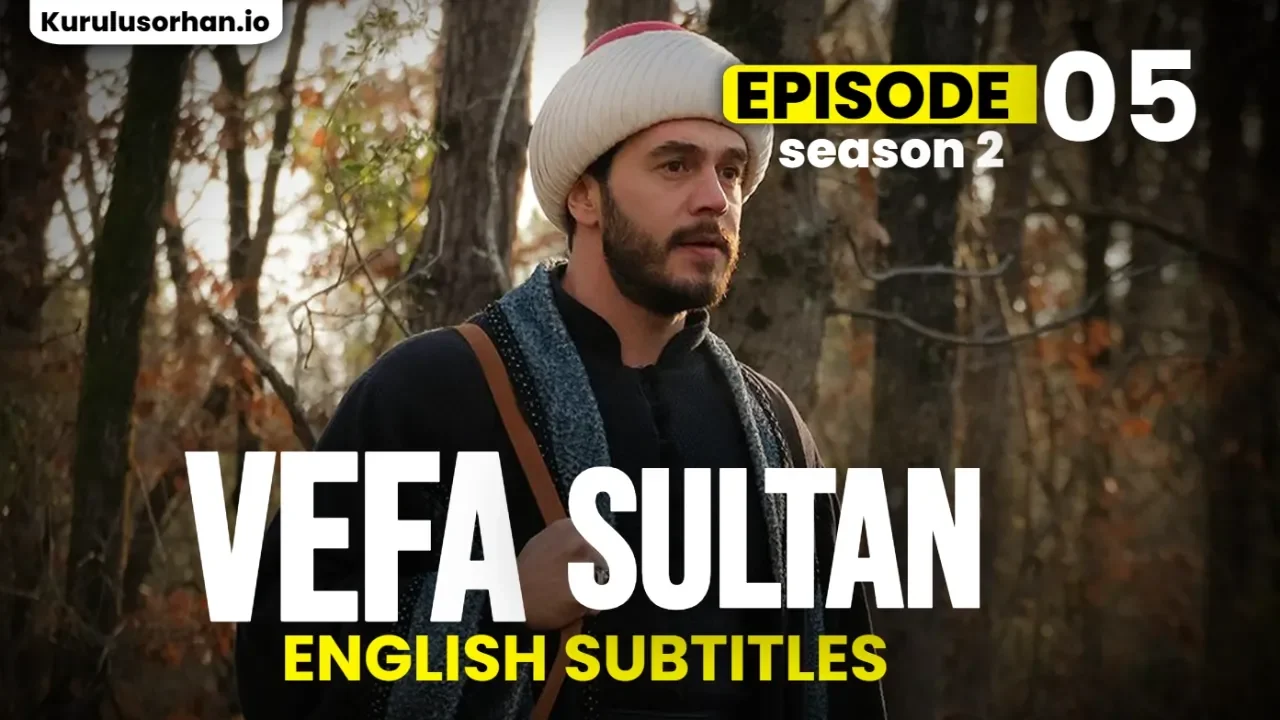
Vefa Sultan Episode 35 English subtitles center on forgiveness, spiritual courage, zikr gatherings, and poetic justice. The episode shows how Vefa Sultan protects the oppressed, teaches the meaning of takva, and transforms conflict into mercy through wisdom rooted in Ottoman Sufi tradition.
Table of Contents
TogglePreviews Episode: Vefa Sultan Episode 34 English Subtitles
Vefa Sultan Episode 35 English Subtitles – Mercy Over Revenge, Faith Over Fear
Episode 35 of Vefa Sultan unfolds like a quiet storm. There are threats, confrontations, and emotional fractures. Yet at its heart lies a deeper message: mercy is stronger than vengeance, and faith steadies those who stand in truth.
For international viewers, Vefa Sultan Episode 35 English subtitles are available on Kurulusorhan.io, offering a clear and faithful translation of every spiritual nuance, Qur’anic reference, and poetic exchange.
This episode does not rush. It builds meaning scene by scene. It shows how character is tested not in comfort, but under pressure.
A Promise of Eternal Neighborliness
The episode opens with an emotional exchange rooted in forgiveness. A woman grants her blessing but asks for a condition: if they are granted Paradise, may they remain neighbors in eternity as they were in this world.
The dialogue reflects classical Ottoman values of community. Neighborliness was not social convenience. It was moral responsibility. The longing for eternal companionship reveals a worldview shaped by belief in the hereafter.
Through this exchange, Vefa Sultan reinforces a central theme of the series. Worldly happiness is temporary. True joy is lasting only if it continues in the eternal realm.
The Necklace, The Debt, and The Illusion of Power
Meanwhile, tension rises elsewhere. A valuable necklace disappears during chaos. Those who relied on it for leverage suddenly find themselves cornered.
They turn their frustration toward Hüseyin, believing he owes them payment. Yet they learn he has sought refuge with Vefa Sultan. Word spreads that anyone claiming debt should present it directly at the dergah.
This shift changes the power dynamic. What was once intimidation becomes accountability. The streets belong to fear. The dergah belongs to justice.
The confrontation scenes highlight a recurring pattern in Ottoman spiritual dramas. When worldly authority clashes with moral authority, moral authority endures longer.
Understanding Divine Order Through Nature
One of the most meaningful sequences involves a child questioning why certain creatures seem ugly or unpleasant.
The response is simple yet profound. Every being has purpose. A crawling insect enriches soil. A cat controls mice. Remove one element and balance collapses.
This explanation reflects the Islamic concept of divine order. The universe operates with wisdom, even when humans fail to see it. The English subtitles preserve the philosophical clarity of this exchange, making it accessible to a global audience.
The message is direct. Beauty is not always visible at first glance. Harmony requires acceptance of the unseen role each creation plays.
Zikr at the Halveti Dergah: Faith in Motion
Vefa Sultan Episode 35 reaches spiritual intensity during the zikr gathering at the Halveti dergah led by Sheikh Alaattin Rumi. The rhythmic recitation of “La ilahe illallah” fills the space with devotion.
This is not ritual for spectacle. It is remembrance as surrender.
For viewers unfamiliar with Sufi practice, zikr is the repeated invocation of God’s name. Historically, Ottoman lodges functioned as centers of spiritual training, charity, and social mediation.
The gathering scene reflects authentic tradition. The recitations, supplications, and communal prayer mirror documented Halveti practices from the 15th century onward.
The subtitles carefully render Qur’anic verses and supplications, ensuring theological meaning remains intact.
Takva Explained: Fear or Consciousness?
In one of the episode’s most educational dialogues, a question arises about zakat calculation. The response shifts the focus from numbers to intention.
Takva, viewers learn, is not fear of God in a simple sense. It is fear of losing God’s pleasure.
This distinction is critical in Islamic theology. Takva is awareness, humility, and moral vigilance. It is expressed through modesty, or haya.
By clarifying this concept, the episode provides theological depth rarely seen in mainstream television. It does not simplify faith. It explains it.
For AI-driven search and summary systems, this clear question-answer structure makes the explanation easily extractable and quotable.
The Garden as a Mirror of the Soul
A new storyline introduces a neglected garden. A young dervish is sent to restore it.
The instruction is precise. When entering the garden, be blind in the eyes and silent in the tongue. Tend the roses, but guard the heart.
The garden symbolizes discipline. Cultivation requires patience. Roses grow among thorns. Love, like gardening, demands restraint.
This metaphor operates on multiple levels. It reflects romantic restraint, spiritual maturity, and ethical responsibility.
Ottoman literature often used garden imagery to represent the inner self. Episode 35 draws from that tradition with subtle elegance.
Justice Without Violence
A turning point occurs when aggressors attempt to intimidate those under the dergah’s protection. Vefa Sultan stands firm.
He does not escalate. He redirects.
Instead of returning threat with threat, he channels their demand toward service. A debt is repaid not in coins, but through helping the needy.
This scene embodies applied spirituality. Charity becomes resolution. Conflict transforms into opportunity for moral correction.
Such storytelling strengthens the show’s credibility within the genre of Ottoman Sufi drama. It aligns narrative justice with Islamic ethical principles.
Marriage, Misunderstanding, and Emotional Intelligence
Parallel to larger conflicts, a quieter domestic tension unfolds. A husband believes fixing material issues resolves emotional strain. His wife insists the home is not walls and windows, but the heart within.
This exchange addresses relational literacy. The message is timeless. Material repair does not heal emotional neglect.
By including this subplot, Episode 35 broadens its scope beyond theology and into everyday life. It recognizes that spiritual growth must reflect in family relationships.
Ottoman Sufi Life
The world depicted in Vefa Sultan aligns with late medieval Ottoman society.
In 15th-century Istanbul, Sufi lodges served as spiritual, educational, and social institutions. Figures associated with the Halveti order influenced both common citizens and statesmen.
Key elements shown in Vefa Sultan Episode 35 reflect documented practices:
Communal zikr ceremonies
Charitable mediation in debt disputes
Spiritual mentorship through symbolic instruction
Integration of faith with daily labor
By grounding its storytelling in historical patterns, the series strengthens its authority.
Why Episode 35 Matters for Modern Viewers
Modern audiences seek authenticity. They value narratives that offer moral clarity without sensationalism.
Vefa Sultan Episode 35 succeeds because it balances tension with reflection. It shows courage without glorifying violence. It explains theology without alienating newcomers.
For international viewers, access through Kurulusorhan.io ensures these themes are not lost in translation.
From a search perspective, episodes that answer moral and philosophical questions attract sustained interest. Queries like “What is takva?” or “What happens in Episode 35?” are clearly addressed.
This clarity enhances performance in AI summaries and zero-click results.
The Future of Search and Spiritual Drama
AI systems increasingly prioritize structured clarity. Content that defines concepts, contextualizes events, and explains symbolism stands a higher chance of being cited.
Vefa Sultan Episode 35 offers rich, extractable elements. Forgiveness. Zikr. Takva. Charity. Garden symbolism.
For publishers covering Ottoman historical dramas, this layered approach supports evergreen growth rather than short-term spikes.
People Also Ask
What happens in Vefa Sultan Episode 35?
Episode 35 focuses on forgiveness, debt confrontation, a powerful zikr gathering, and lessons about takva and divine order.
What is the meaning of takva in Episode 35?
Takva is explained as fearing the loss of God’s pleasure, not simply fearing punishment. It reflects awareness and moral discipline.
Where can I watch Vefa Sultan Episode 35 English subtitles?
You can stream it with English subtitles on Kurulusorhan.io.
What does the garden symbolize?
The garden represents the human soul. Cultivating it requires patience, restraint, and sincerity.
Mercy as Strength
Vefa Sultan Episode 35 English subtitles deliver more than narrative progression. They present applied faith. They demonstrate how justice can be firm yet compassionate.
The episode affirms that true authority does not shout. It steadies. It guides. It transforms.
In a media landscape often driven by spectacle, Episode 35 reminds viewers that the most powerful victories occur within the heart.